




























































































































































































Introducing a new puppy to your current dog is often an exciting process, and many dogs will become fast friends and eas...
Read MoreAdopt Me

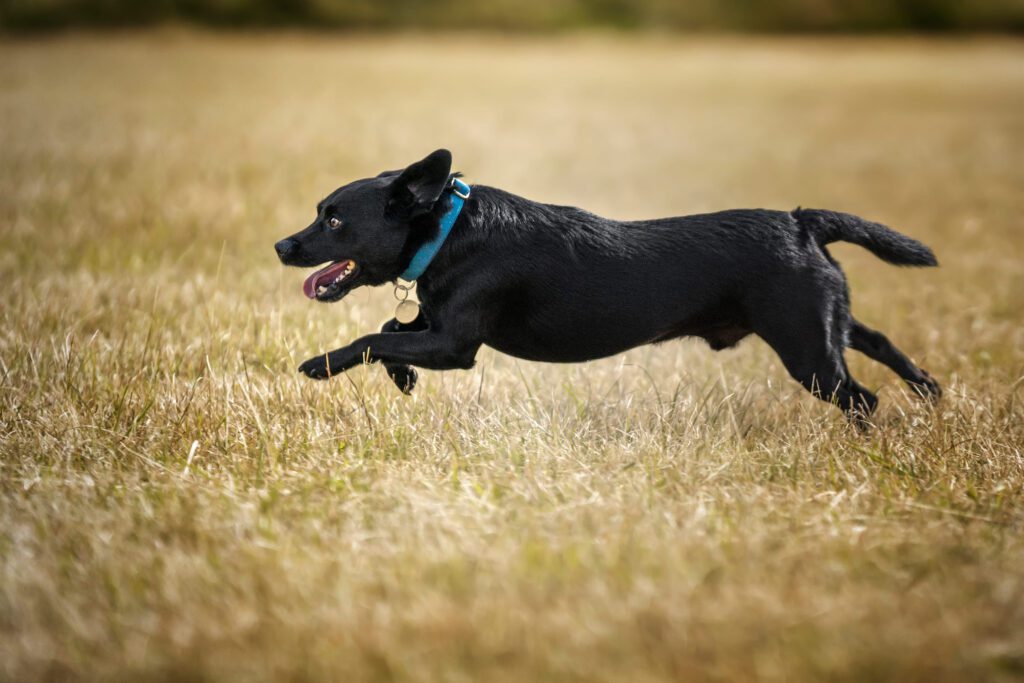


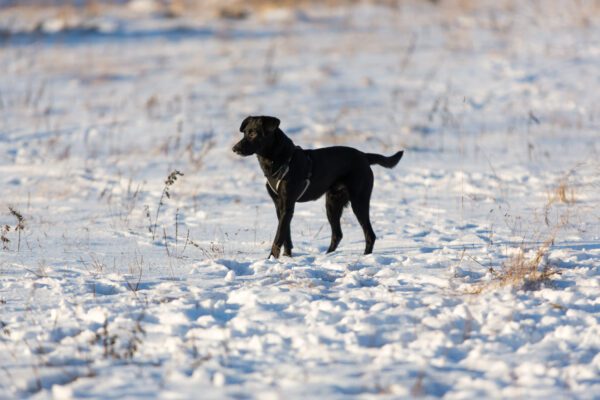
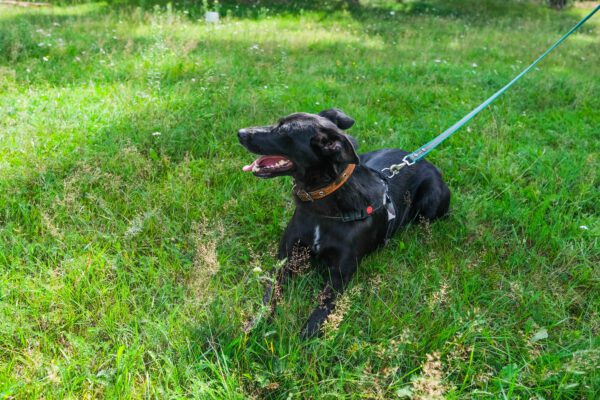
Patterdale Terriers are compact, energetic, and courageous. They bond closely with their people, stay alert, and thrive when they have a job to do. Their athletic drive and sharp minds make them fun companions for active homes. They also bring a strong prey drive and a love of digging, so they need structure and daily outlets for energy and curiosity.
Research helps you decide if a Patterdale Terrier fits your life before you bring one home. Adoption offers a kinder path than buying because it opens space for another dog in need, provides transparency about health and behavior, and often includes essential veterinary care at a fair cost.
Nebraska can suit this breed well with its wide-open spaces, trails, and dog-friendly communities. The state’s climate adds responsibilities. Winters get cold, so your dog needs short outdoor sessions, paw protection, and a warm layer. Summers get hot, so exercise should shift to cooler hours with plenty of water. Rural and suburban yards offer room to run, but secure fencing and leashed walks are important because wildlife and livestock can trigger chasing.
You can avoid searching rescues and shelters separately by browsing Dog Academy adoption listings. You can filter by location, age, and size to find Patterdale Terriers and terrier mixes available in Nebraska and nearby regions. Dog Academy also provides educational guides and adoption checklists that help you plan care, supplies, and training before you apply.
You can find adoptable dogs through local animal shelters, regional rescues, and breed-specific rescue groups. Start by reading each dog’s profile carefully. Confirm that energy level, prey drive, and social history match your home. Ask for details about exercise needs, house manners, and comfort with children or other pets.
The process usually starts with an online application. You will answer questions about your lifestyle, provide personal references, and share veterinary information for current pets. Renters may be asked for landlord approval because housing rules can limit dog size or breed. Response times often range from 3 to 10 days, and full approval commonly takes 1 to 3 weeks depending on volunteer capacity and how quickly references reply.
Most groups schedule a meet-and-greet after a preliminary review. Meetings take place at a shelter, a foster home, or a neutral location. Bring all household members and resident dogs to check compatibility. Use this time to discuss the dog’s behavior history, medical records, and any training plans you will continue at home.
Home checks help ensure safety. Many organizations complete virtual tours by video, while some arrange in-person visits. A checker confirms secure fencing, safe storage of chemicals, and a quiet area for rest and crate training. If the right dog is out of area, rescues may arrange transport between locations. Transport is often organized through volunteer drivers or licensed carriers. Groups schedule handoffs at safe public stops, and adopters usually pay a modest transport fee to cover fuel and coordination.
|
How Much Does It Cost to Adopt a Patterdale Terrier in Nebraska?Most adopters in Nebraska pay $175 to $450 to adopt a Patterdale Terrier. Puppies and highly in-demand young adults may cost more, and senior dogs often cost less. Fees tend to be lower at municipal shelters and a bit higher at foster-based or breed-focused rescues that invest in individualized care. Costs vary based on age, training, medical care, and local demand. Adoption packages commonly include spaying or neutering, vaccinations, microchipping, and veterinary exams. Many organizations also cover deworming, heartworm testing, and initial preventives. If transport is needed, groups may add $50 to $200 to offset safe and coordinated travel. |
How Should I Train a Patterdale Terrier?Patterdale Terriers are bright, determined, and eager to work. They learn quickly when training feels rewarding and clear. Short, upbeat sessions with high-value food and play keep them engaged. Consistency builds trust and helps channel their drive into good habits. Common challenges include strong prey drive, pulling on leash, and digging. Focus early on impulse control and calm choices. Teach leave it, wait, and settle on a mat. Build a rock-solid recall with a long line in safe areas before you try off-leash activity in fenced spaces. Offer a legal dig zone, puzzle feeders, scent games, and tug or flirt-pole play with clear start and stop cues. Reward-based methods work best for this independent terrier. Avoid harsh corrections, and replace them with management and clear alternatives. Crate training supports restful sleep and safe alone time. If you want expert guidance, explore Dog Academy’s online training courses for step-by-step lessons on recall, loose-leash walking, impulse control, and enrichment that suits terriers. |

|
The ideal home for a Patterdale Terrier is active, patient, and consistent. Owners should enjoy daily walks, interactive play, and mental work. A secure yard helps, but committed leashed exercise can meet needs in an apartment. Homes with small pets should plan careful introductions and thoughtful management because of this breed’s prey drive.
Preparation sets you up for success. Gather supplies, confirm a veterinary plan, and map out a training routine before adoption day. Take your time, ask clear questions, and rely on Dog Academy tools to guide each step. When you adopt a Patterdale Terrier in Nebraska with intention, you find a focused partner who is ready to learn, explore, and thrive by your side.

Introducing a new puppy to your current dog is often an exciting process, and many dogs will become fast friends and eas...
Read More
Rescue dogs can make great companions and can transform your home into something better. These dogs make great pets and ...
Read More
You should never rush to pet a dog. Even dog owners make the mistake of approaching unfamiliar dogs and petting them rig...
Read More
Puppy mill dogs are survivors who have endured extreme hardships in their lives. They have grown up in horrendous, unsan...
Read More
With their wagging tails and comforting presence, adopting a dog can add a unique touch to your life. It’s a heart...
Read More
Older dogs may have a few gray hairs around the edges, but that doesn’t mean they can’t make wonderful companions! T...
Read More