




























































































































































































Introducing a new puppy to your current dog is often an exciting process, and many dogs will become fast friends and eas...
Read MoreAdopt Me

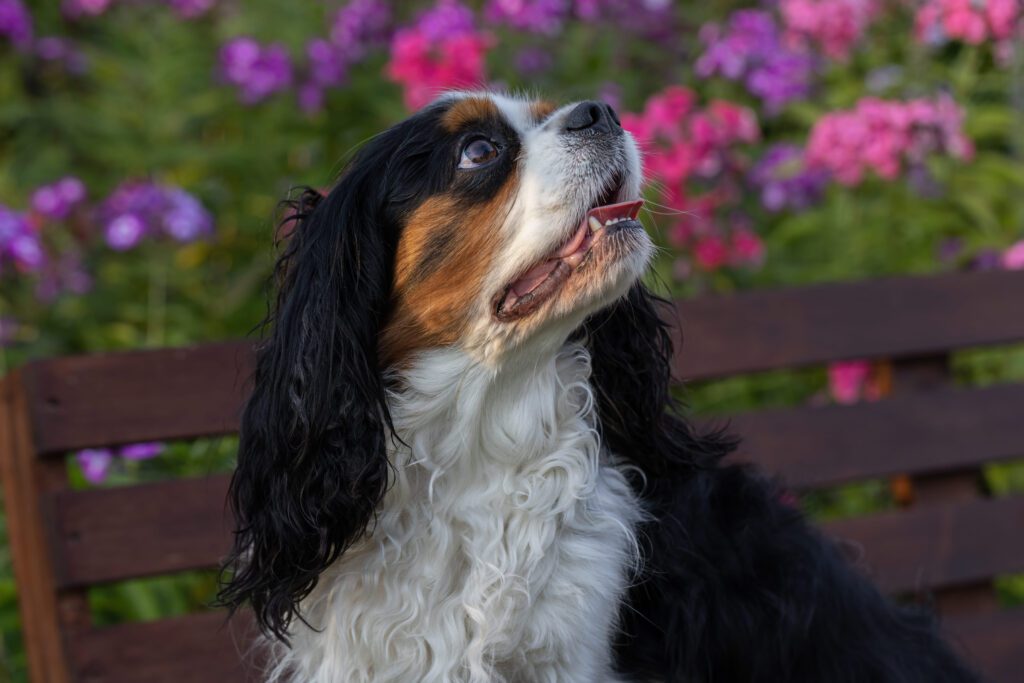


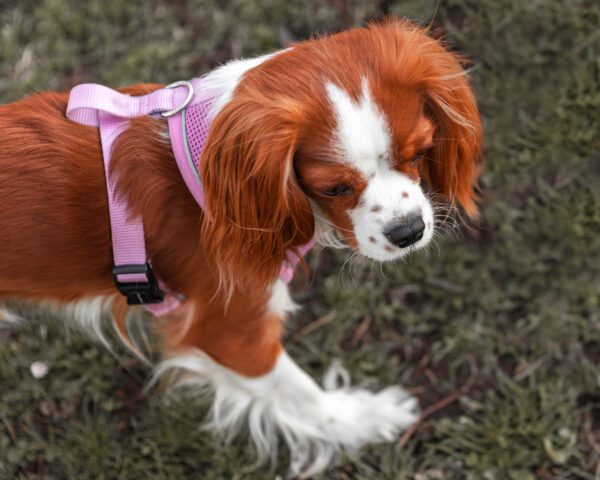
The Cavalier King Charles Spaniel is a gentle, affectionate companion that loves to be close to people. This breed blends elegance with an easygoing nature, which makes daily life feel calm and connected. Cavaliers enjoy short walks, cheerful play, and long cuddles. Their friendly temperament suits families, singles, and retirees who want a loyal, people-focused dog.
Research matters before you adopt a Cavalier King Charles Spaniel in Nebraska. This breed thrives on human company and often prefers not to be left alone for long hours. Cavaliers have a silky coat that needs regular brushing. Many Cavaliers live long, happy lives with routine veterinary care. Thoughtful preparation helps you match your lifestyle to the dog’s social and grooming needs.
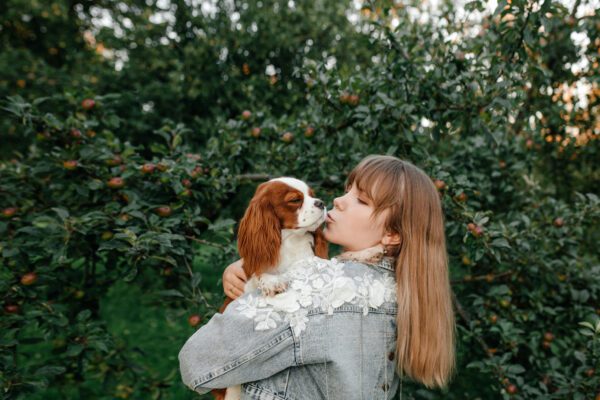
Adoption gives a dog a second chance and supports responsible animal welfare. Many adoptable Cavaliers already receive basic veterinary care, which can reduce early costs and stress. Nebraska’s climate brings hot summers, windy springs, and cold, snowy winters. A Cavalier can do well in Nebraska with temperature management, safe winter gear, and limited midday activity during peak heat. The state’s mix of quiet towns and walkable neighborhoods suits this adaptable, small companion dog.
You can avoid searching rescues and shelters separately by browsing consolidated listings on Dog Academy. You can filter by location, age, size, and temperament to find a strong match. You also gain access to clear adoption guides and practical checklists that explain every step. You can still check local animal shelters, regional rescues, breed-specific rescue groups, and foster networks, but one hub can save time and help you compare options.
Start by browsing current Cavalier listings and reading each profile carefully. Profiles often include age, size, health notes, and behavior observations from fosters or shelter staff. Submit an application that describes your home, schedule, and experience with dogs. Many groups request references and proof of landlord approval when you rent. Clear, complete applications help teams place dogs quickly and confidently.
Next comes the meet-and-greet. You can visit a shelter or meet a foster caregiver to see how the dog responds to you. Ask about daily routines, energy level, and comfort with children or other pets. Some groups request a home check to confirm safety items such as secure fencing, safe stairs, and a quiet rest area. A home check can be in person or virtual, which makes the process accessible across Nebraska’s wide geography.
Approval timelines vary by organization and dog. Many placements complete within 1 to 3 weeks after a successful meet-and-greet, while puppies or special medical cases can take longer. Transport is often arranged by rescues to move dogs between states or regions when a strong match appears. Transport can involve volunteer drivers or professional services, health certificates, and scheduled handoffs. Ask about timing and any transport fees so you can plan your pickup and first week at home.
|
How Much Does It Cost to Adopt a Cavalier King Charles Spaniel in Nebraska?In Nebraska, expect adoption fees that reflect the breed’s high demand and small size. Municipal or county shelters commonly ask about $200 to $450 for a Cavalier. Breed-focused rescues in the region often ask about $350 to $700, especially for young adults and puppies. Fees can vary because organizations invest in spaying or neutering, vaccinations, microchipping, and veterinary exams. Puppies usually cost more due to preventive care and strong demand. Seniors may cost less to encourage placement, though recent medical work can increase fees. Costs also shift with training, medical history, and supplies that travel with the dog. A dog that arrives microchipped, current on preventives, and freshly groomed can carry a slightly higher fee that still saves you money after adoption. Budget for a quality harness, a crate, enrichment toys, grooming tools, and a first veterinary visit in Nebraska to set up long-term wellness. |
How Should I Train a Cavalier King Charles Spaniel?Cavaliers are intelligent, social, and eager to please. They respond best to positive reinforcement with food rewards, gentle praise, and short, upbeat sessions. Early socialization builds confidence around new people, friendly dogs, and everyday noises. Cavaliers love to follow people, so reinforce calm settling and independent play to prevent clinginess. Common challenges include distraction outdoors, soft barking, and sensitivity to harsh voices. Use a lightweight harness, reward frequent check-ins, and practice recall in safe, enclosed spaces. Crate training supports potty training and helps a Cavalier relax during alone time. Gradual departures and calm returns reduce separation stress. Consistency keeps this sensitive breed happy and engaged. You can build skills step by step with Dog Academy’s online training courses. You can follow structured lessons for obedience, loose leash walking, polite greetings, and relaxation. You can move at your own pace and reinforce progress with clear, bite-size exercises that fit busy Nebraska schedules. |
|
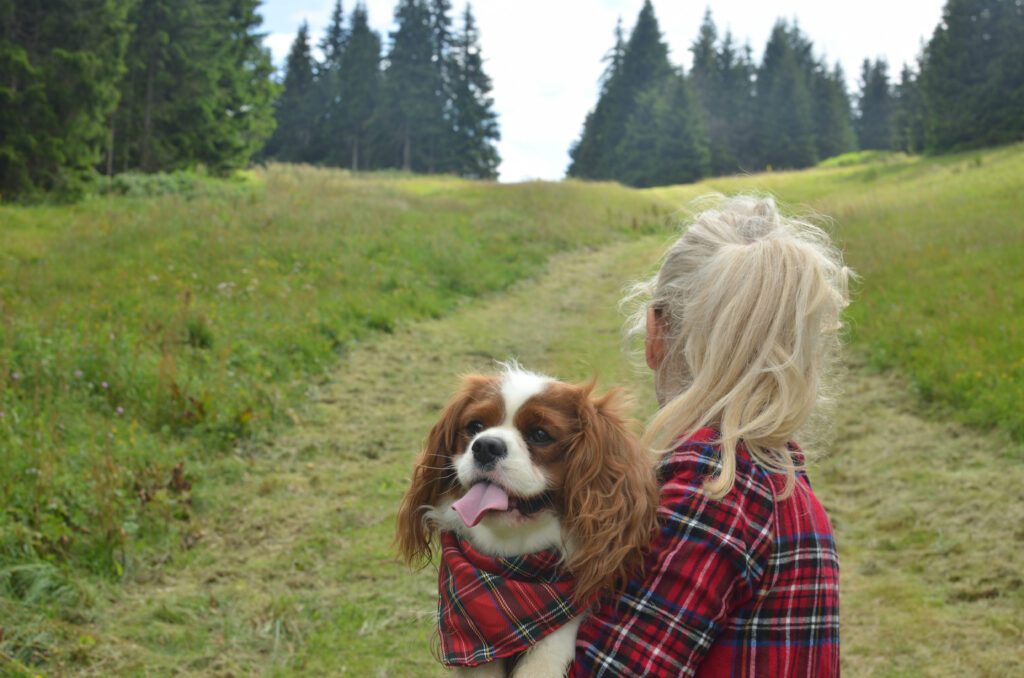
The ideal Nebraska adopter wants a close companion who enjoys daily walks, cozy evenings, and friendly visits. A Cavalier suits apartments, townhomes, and single-family homes because this breed is compact and adaptable. The best fit provides regular company, gentle exercise, and consistent training. A motivated first-time owner can succeed with preparation and support.
Set your home for success with safe spaces, a predictable routine, and a plan for weather protection in summer and winter. Take time to learn, compare options, and ask clear questions before you adopt a Cavalier King Charles Spaniel in Nebraska. With thoughtful preparation and patient training, you will welcome a loving friend who brightens everyday life.

Introducing a new puppy to your current dog is often an exciting process, and many dogs will become fast friends and eas...
Read More
Rescue dogs can make great companions and can transform your home into something better. These dogs make great pets and ...
Read More
You should never rush to pet a dog. Even dog owners make the mistake of approaching unfamiliar dogs and petting them rig...
Read More
Puppy mill dogs are survivors who have endured extreme hardships in their lives. They have grown up in horrendous, unsan...
Read More
With their wagging tails and comforting presence, adopting a dog can add a unique touch to your life. It’s a heart...
Read More
Older dogs may have a few gray hairs around the edges, but that doesn’t mean they can’t make wonderful companions! T...
Read More