



























































































































































































Introducing a new puppy to your current dog is often an exciting process, and many dogs will become fast friends and eas...
Read MoreAdopt Me

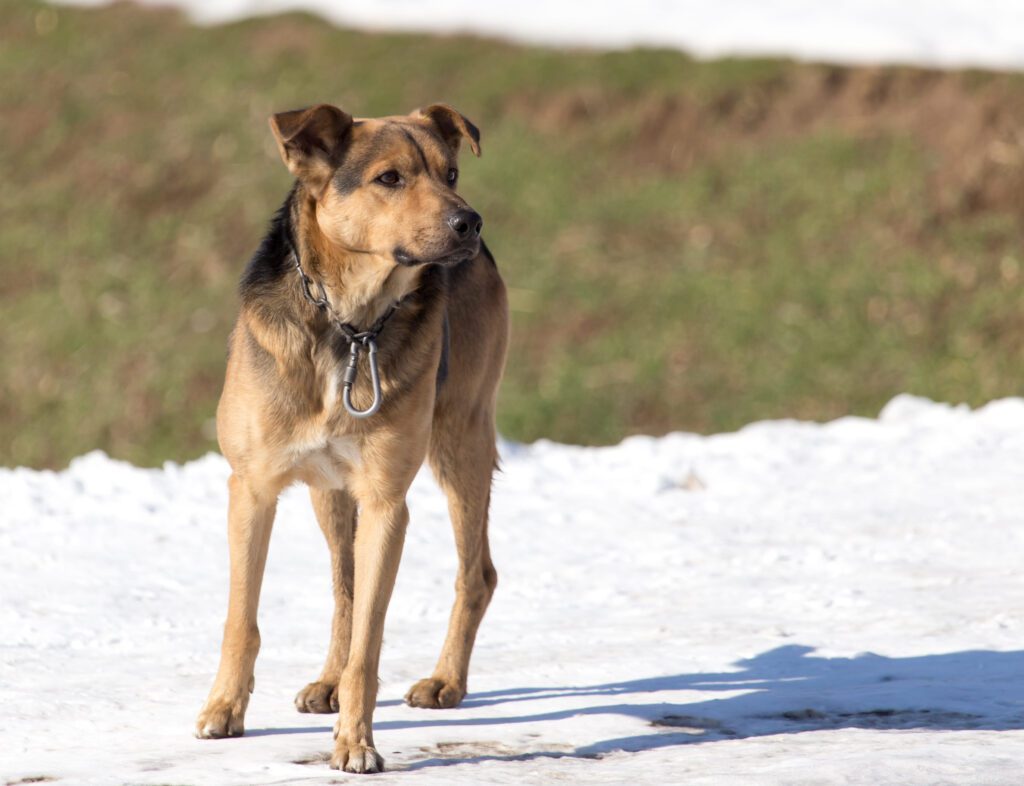
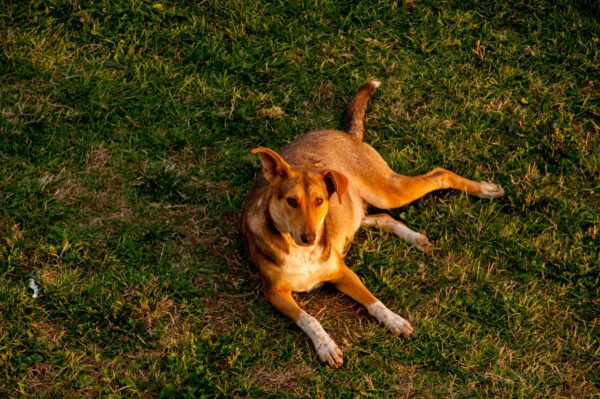
The Mountain Cur is a rugged, devoted working dog that loves a job and thrives with active people. This breed is intelligent, eager to learn, and deeply loyal. A Mountain Cur bonds closely with family, excels at scent work, and brings alert watchdog instincts. Careful research helps you understand energy needs, prey drive, and training requirements before you adopt.
Adoption gives a deserving dog a home while reducing demand for commercial breeding. Many Mountain Curs and Mountain Cur mixes enter shelters and rescues due to mismatched lifestyles rather than behavior problems. Nebraska can suit this breed well. The state offers wide-open spaces, trails, and fields that support daily exercise. Summers can be hot and humid, so you must provide shade, water, and rest during midday heat. Winters can be very cold and windy, so you must plan short sessions outside, paw protection on ice, and a warm place to sleep. Urban living in Omaha or Lincoln works when you commit to long walks, structured training, and mental enrichment. Rural properties can be ideal with secure fencing and supervised outdoor time.
Choosing adoption over buying also brings value. Most adoption fees include essential veterinary care and a health overview. You also gain support from knowledgeable volunteers who can help match you with a dog that fits your routine and goals.
You can avoid searching shelters and rescues one by one by browsing adoption listings through Dog Academy. You can filter for location and breed, then review clear bios to find a good match. Dog Academy also provides educational guides and adoption checklists that help you prepare your home and plan the first weeks. You can also check local animal shelters, regional rescues, breed-specific rescue groups, and foster networks that serve Nebraska and nearby states.
Start by browsing listings and reading each bio carefully. Look for details about energy level, prey drive, experience with farm life, comfort with children, and ability to live with cats or small dogs. Submit an application that explains your schedule, housing, fencing, training plans, and veterinary history. Many groups ask for personal references and landlord approval when you rent. Clear and honest answers help coordinators assess fit.
Most groups schedule a phone interview to discuss expectations and the dog’s needs. A home check often follows. A home check confirms secure fencing, safe storage for chemicals and medications, and a quiet space for decompression. Meet-and-greets can be in person or virtual. You may introduce resident dogs on neutral ground to ensure safe body language and a calm transition. Approval timelines vary by group, but many adopters move from application to pickup in 1 to 3 weeks. Some rescues arrange transport to move dogs between locations when foster homes are far away, and they coordinate drivers or use safe, climate-controlled vehicles to complete the trip.
On adoption day you review and sign the contract, pay the fee, and receive medical records and microchip details. Plan a decompression period of 3 to 14 days with a predictable routine, short training sessions, and limited visitors. Schedule a wellness exam with your veterinarian during the first week to confirm preventive care and discuss nutrition and activity goals.

|
How Much Does It Cost to Adopt a Mountain Cur in Nebraska?Most adopters pay $200 to $350 to adopt a Mountain Cur in Nebraska. Puppies and young adults often sit at the higher end. Seniors or dogs with lower demand can be closer to the lower end. Fees reflect care already provided, including spaying or neutering, vaccinations, microchipping, and veterinary exams. Costs may rise when a dog has specialized medical treatment, heartworm testing and prevention, parasite treatment, or professional training. Demand for a well-mannered working dog can also influence price. Expect modest variation between shelters and regional rescues. A dog that arrives with crate training, leash skills, or a clean bill of health may carry a slightly higher fee, while a dog with ongoing medical needs may have a lower fee that pairs with a medical disclosure. |
How Should I Train a Mountain Cur?The Mountain Cur learns quickly and loves a clear job. This breed responds best to positive reinforcement that uses food rewards, toys, and praise. Short, focused sessions build engagement and reduce frustration. Teach foundation skills early, including name recognition, recall, loose-leash walking, sit, down, place, and a reliable stay. Add impulse control games and structured fetch to channel energy. Many Mountain Curs have a strong prey drive and a keen nose. You can meet those instincts with scent games, tracking, long-line hikes, and puzzle feeders. Early socialization with calm dogs and friendly people builds confidence. Crate training supports safe travel and restful sleep. Address common challenges like jumping, pulling, and excessive barking with consistent cues, high-value rewards, and clear boundaries. If you want step-by-step guidance, explore Dog Academy’s online training courses for recall, leash manners, reactivity, and enrichment plans tailored to active breeds. |
|
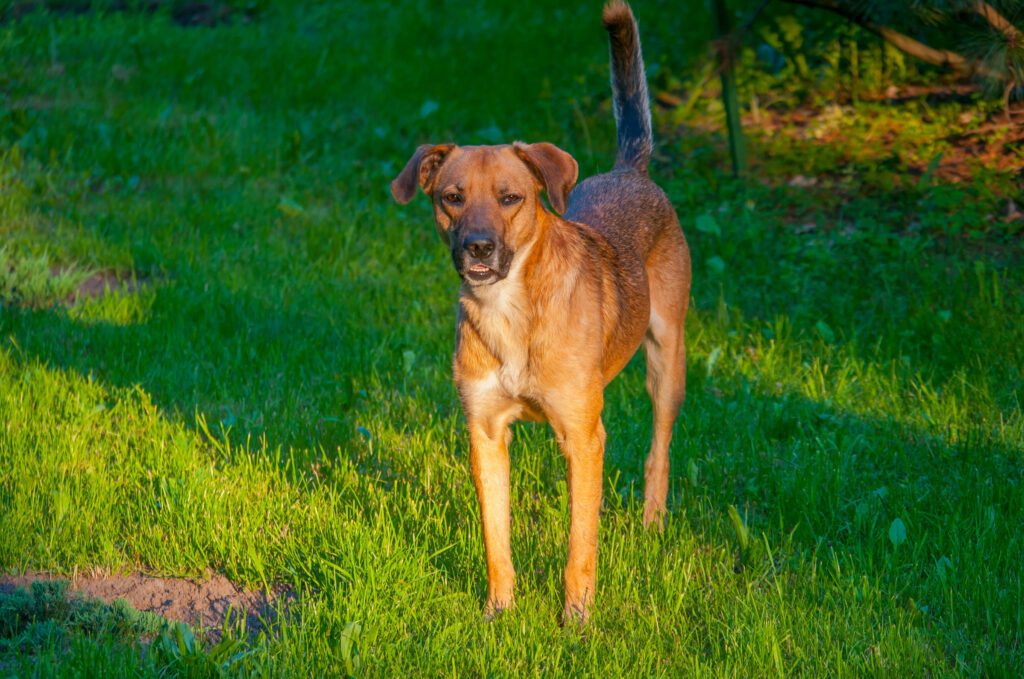
A Mountain Cur suits active owners who enjoy daily walks, hikes, and training time. This breed fits best with people who provide structure, mental challenges, and a secure yard. Families with dog-savvy children often do well when they supervise interactions and reinforce calm behavior. Households with small pets must manage introductions carefully and use secure containment.
Preparation leads to success. Set a realistic schedule, gather training supplies, and plan vet care before your dog comes home. Take time to meet several candidates, ask detailed questions, and trust the match process. When you are ready to adopt a Mountain Cur in Nebraska, start with the listings at Dog Academy and move forward with patience and confidence.

Introducing a new puppy to your current dog is often an exciting process, and many dogs will become fast friends and eas...
Read More
Rescue dogs can make great companions and can transform your home into something better. These dogs make great pets and ...
Read More
You should never rush to pet a dog. Even dog owners make the mistake of approaching unfamiliar dogs and petting them rig...
Read More
Puppy mill dogs are survivors who have endured extreme hardships in their lives. They have grown up in horrendous, unsan...
Read More
With their wagging tails and comforting presence, adopting a dog can add a unique touch to your life. It’s a heart...
Read More
Older dogs may have a few gray hairs around the edges, but that doesn’t mean they can’t make wonderful companions! T...
Read More