




























































































































































































Introducing a new puppy to your current dog is often an exciting process, and many dogs will become fast friends and eas...
Read MoreAdopt Me

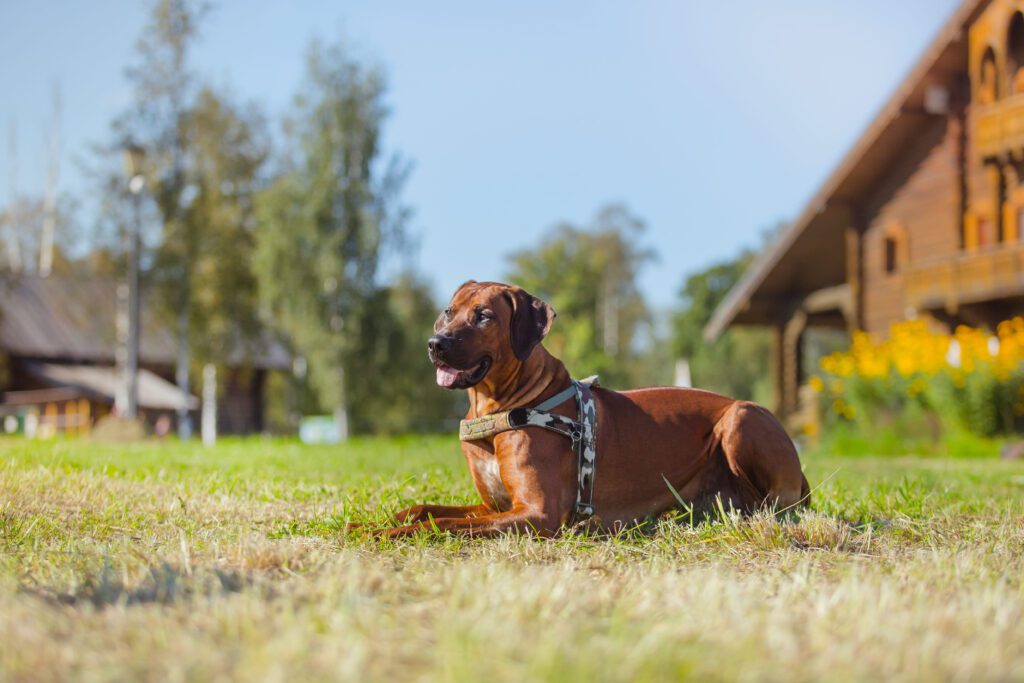



The Rhodesian Ridgeback is athletic, loyal, and strikingly confident. This breed bonds closely with family, shows calm affection at home, and brings powerful stamina outdoors. A Ridgeback is independent and observant, which makes the dog both a respectful companion and a determined thinker that needs clear guidance.
Before you adopt a Rhodesian Ridgeback in Nebraska, you should research the breed’s energy level, prey drive, and training needs. Adoption gives a dog a second chance and often includes essential veterinary care that supports a smooth start at home. Adopting also helps open space for the next dog in need, which gives your choice a wider impact.
Nebraska offers wide-open spaces, prairie wind, and four distinct seasons. Hot summers require shade and steady hydration, and cold winters require a warm coat and limited time outside during deep freezes because the Ridgeback’s short hair does not insulate well. The state’s trails and rural properties suit an athletic dog, yet secure fencing is important because wildlife can trigger chasing. Apartment or town life can also work when daily exercise, mental enrichment, and reliable leash manners are part of the routine.
You can avoid searching shelters and rescues one by one by browsing Dog Academy, which brings adoption listings together in one place. You can also use Dog Academy’s educational guides and adoption checklists to prepare your home, compare options, and track next steps with confidence. You can still look at local animal shelters, regional rescues, and breed-specific rescue groups across the Midwest, but a central resource saves time and helps you focus on fit.
Start by browsing listings and reading each profile carefully. A detailed profile explains age, temperament, medical status, and lifestyle needs, which helps you filter for the right energy level and household match. When you find a promising dog, you submit an application that asks about your home, schedule, fencing, other pets, and training plans. Many groups contact references and verify landlord approval for renters, which ensures that housing rules support long-term stability.
After an initial review, you schedule a meet-and-greet to see how the dog handles new people and environments. Some organizations request a home check that can be virtual or in person to confirm safe containment, secure storage for food and medications, and a plan for exercise and enrichment. Approval timelines vary by group and by season, but most decisions arrive within 1 to 3 weeks when communication is prompt and documents are complete.
Nebraska adopters sometimes match with dogs located in neighboring states. Rescues may arrange transport between locations using volunteer drivers or licensed carriers, which moves dogs safely along planned routes. Transport typically requires a health certificate and may add a modest fee to cover fuel and coordination, which the group explains before travel is confirmed.

|
How Much Does It Cost to Adopt a Rhodesian Ridgeback in Nebraska?In Nebraska, you can expect adoption fees for a Rhodesian Ridgeback to land around $250 to $400 for most adults and $350 to $600 for young puppies. These fees usually include spaying or neutering, vaccinations, microchipping, and veterinary exams. Many groups also provide deworming and a heartworm test, and some offer a short trial period that allows you to confirm fit. Fees vary with age, training, medical history, and local demand. Well-mannered adults with basic training may cost slightly more because they are ready to settle quickly. Puppies can cost more due to higher demand and additional vaccines. Dogs that received recent surgeries or dental care may carry higher fees that reflect that investment. Plan for initial supplies such as a crate, a bed, a harness, and food, along with a license and a first veterinary visit in your town. |
How Should I Train a Rhodesian Ridgeback?The Rhodesian Ridgeback is intelligent and learns quickly when training is consistent and clear. The breed thinks independently, which means motivation and timing matter. Use positive reinforcement with food, toys, and praise to reward calm choices and steady focus. Keep sessions short and upbeat to prevent boredom and practice often in different environments. Common challenges include a strong prey drive, selective recall, and powerful pulling on leash. Build reliable recall with gradual distance increases, long lines, and high-value rewards, and then add mild distractions before raising difficulty. Teach loose-leash walking, settle on a mat, and polite greetings to channel strength into control. Early socialization with stable dogs and careful introductions to cats help reduce chasing. You can follow step-by-step lessons through Dog Academy’s online training courses, which cover obedience, impulse control, enrichment, and leash skills designed for active, athletic breeds. |
|
The ideal owner for a Rhodesian Ridgeback is active, calm, and consistent. A great match enjoys daily walks, structured play, and training that builds manners and confidence. A securely fenced yard is helpful, and a plan for winter gear and summer shade keeps this short-coated breed comfortable in Nebraska’s climate.
Preparation leads to success. Take time to study breed traits, confirm household rules, budget for supplies, and set up safe containment before the dog arrives. Move at a thoughtful pace, ask clear questions, and lean on Dog Academy resources to guide each step. With patience and planning, you can adopt a Rhodesian Ridgeback in Nebraska and welcome a steady, loyal companion for years to come.

Introducing a new puppy to your current dog is often an exciting process, and many dogs will become fast friends and eas...
Read More
Rescue dogs can make great companions and can transform your home into something better. These dogs make great pets and ...
Read More
You should never rush to pet a dog. Even dog owners make the mistake of approaching unfamiliar dogs and petting them rig...
Read More
Puppy mill dogs are survivors who have endured extreme hardships in their lives. They have grown up in horrendous, unsan...
Read More
With their wagging tails and comforting presence, adopting a dog can add a unique touch to your life. It’s a heart...
Read More
Older dogs may have a few gray hairs around the edges, but that doesn’t mean they can’t make wonderful companions! T...
Read More