




























































































































































































Introducing a new puppy to your current dog is often an exciting process, and many dogs will become fast friends and eas...
Read MoreAdopt Me

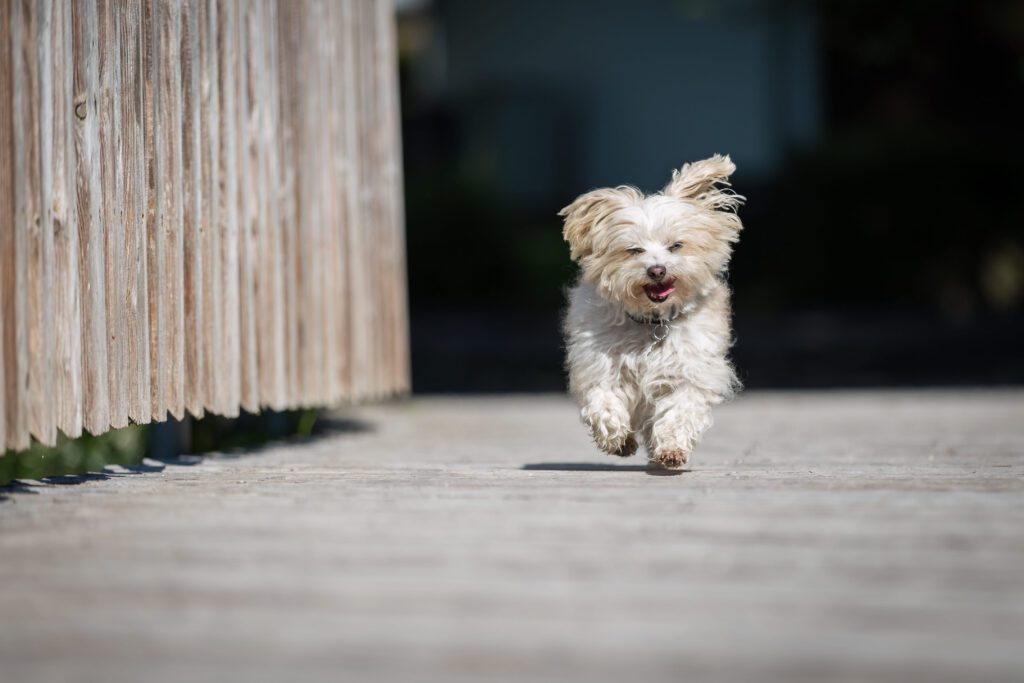

The Havanese is a cheerful companion who loves people, learns quickly, and settles easily into many homes. This small dog carries a silky coat and a friendly spirit, which makes the breed a favorite for families, retirees, and first-time adopters. The coat sheds very little, and many people with mild allergies find the Havanese manageable with regular grooming and cleaning. The breed thrives on attention and prefers to stay close to its family throughout the day.
Thoughtful research protects both you and the dog. A Havanese needs daily brushing, routine professional grooming, short but consistent exercise, and plenty of mental engagement. Adoption is a kind choice because it gives a dog a second chance, supports responsible animal care, and often includes preventive veterinary work that lowers your initial out-of-pocket costs. Careful planning helps you welcome a confident and healthy companion.
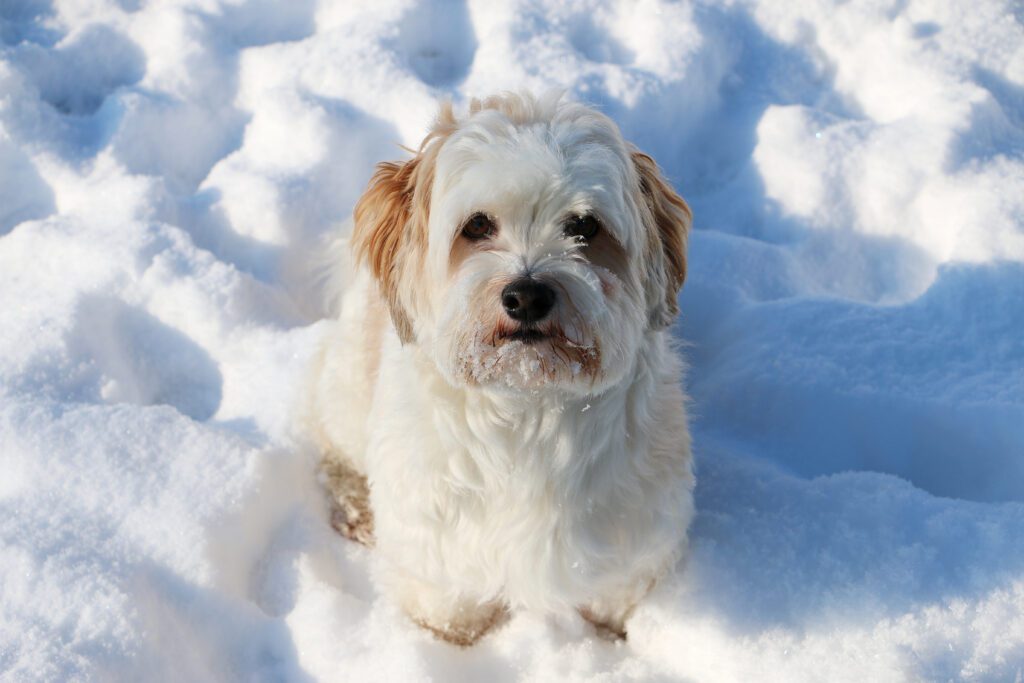
Nebraska offers a good match for this adaptable breed, though the climate requires preparation. Winters are cold and windy, so a warm jacket, paw balm, and limited exposure help keep a small Havanese comfortable. Summers can be hot and humid, so walks should happen during cooler hours with water breaks and shade. The state’s mix of cities, suburbs, and rural towns suits the Havanese because the breed does well with indoor living, short neighborhood walks, and relaxed time at home. Regular grooming and indoor enrichment keep the dog happy through changing seasons across the Great Plains.
You can avoid searching rescues and shelters separately by using Dog Academy’s adoption listings, which gather adoptable dogs in one place and make comparisons simple. You can also use Dog Academy for step-by-step educational guides and adoption checklists that help you prepare for each stage. Start your search with Dog Academy and build a clear plan before you apply.
Adoptable Havanese in Nebraska appear through local animal shelters, regional rescues, breed-specific rescue groups, and foster-based networks. Nebraska has both urban and rural communities, which means the pool of available dogs may be small at times. Broadening your search to nearby regions can expand your options. When distance is an issue, rescues may arrange transport between locations, which means volunteers or professional carriers move dogs safely with scheduled handoffs, health certificates, and clear communication.
The process usually begins by browsing listings and reading each dog’s biography in full. You should look for details about age, energy level, medical needs, and behavior, then compare those details to your lifestyle. The next step is the application. Applications often ask about your daily schedule, your household, your training plan, your veterinary history, and landlord permission if you rent. A coordinator reviews the application and typically responds within 1 to 2 weeks with questions or next steps.
Meet-and-greets follow the initial review. These meetings may happen in a foster home, at a shelter, or at a neutral location that is safe and quiet. Everyone in your household should attend, and resident pets may join when the rescue permits it. A home check may occur in person or through a virtual walkthrough to confirm that doors, fences, and indoor spaces are safe for a small dog. Final approval includes signing an adoption agreement, paying the fee, receiving medical records and microchip information, and arranging a pickup time or approved transport.

|
How Much Does It Cost to Adopt a Havanese in Nebraska?In Nebraska, most Havanese adoption fees range from $275 to $475 for adults, while puppies are sometimes listed between $500 and $650 due to higher demand and added preventive care. Fees vary with age, training level, recent medical care, and local interest in small companion breeds. The fee commonly includes spaying or neutering, vaccinations, microchipping, and veterinary exams. If transport is required, a separate contribution may be requested to cover fuel, safe crating, and the health certificate that allows interstate travel. |
How Should I Train a Havanese?The Havanese is bright, people focused, and eager to earn rewards. Short sessions that use positive reinforcement build skills quickly. Food rewards, toys, and praise keep motivation high, and 5 to 10 minute lessons repeated throughout the day help the dog stay engaged. Consistency teaches cues such as sit, down, come, leave it, and loose leash walking, and the breed often excels at trick training and therapy-friendly manners. Common challenges include house training, alert barking, and separation stress. A predictable potty schedule, careful supervision, and crate training create reliable habits. Reinforce quiet behavior by rewarding calm moments and teaching a settle cue, then manage the environment with white noise and chews when needed. Early socialization should include calm exposure to sidewalks, elevators, farm equipment, and neighborhood noises across Nebraska so the dog builds confidence in many settings. Structured guidance makes training easier at home. You can follow step-by-step lessons through Dog Academy’s online training courses, which cover puppy foundations, house training, polite greetings, loose leash walking, and separation anxiety support. The flexible format lets you practice at your pace anywhere in Nebraska with clear video demonstrations and printable plans. |
|
The ideal Havanese adopter wants a close companion, enjoys gentle daily walks, and can provide grooming on a consistent schedule. A good match includes families who value calm play, retirees who want steady company, and professionals who can arrange midday breaks or pet care. The breed stays happiest when people are nearby, and the dog thrives when routines feel predictable and kind.
Preparation sets you up for success. Gather supplies before pickup, set up a safe potty area, schedule a first veterinary visit, and plan your first week of training and bonding. Take time to research, ask questions, and review checklists so you can make a confident decision. When you move at a thoughtful pace, you adopt a Havanese in Nebraska with clarity and care, and you give your new dog the best possible start.

Introducing a new puppy to your current dog is often an exciting process, and many dogs will become fast friends and eas...
Read More
Rescue dogs can make great companions and can transform your home into something better. These dogs make great pets and ...
Read More
You should never rush to pet a dog. Even dog owners make the mistake of approaching unfamiliar dogs and petting them rig...
Read More
Puppy mill dogs are survivors who have endured extreme hardships in their lives. They have grown up in horrendous, unsan...
Read More
With their wagging tails and comforting presence, adopting a dog can add a unique touch to your life. It’s a heart...
Read More
Older dogs may have a few gray hairs around the edges, but that doesn’t mean they can’t make wonderful companions! T...
Read More