



























































































































































































Introducing a new puppy to your current dog is often an exciting process, and many dogs will become fast friends and eas...
Read MoreAdopt Me

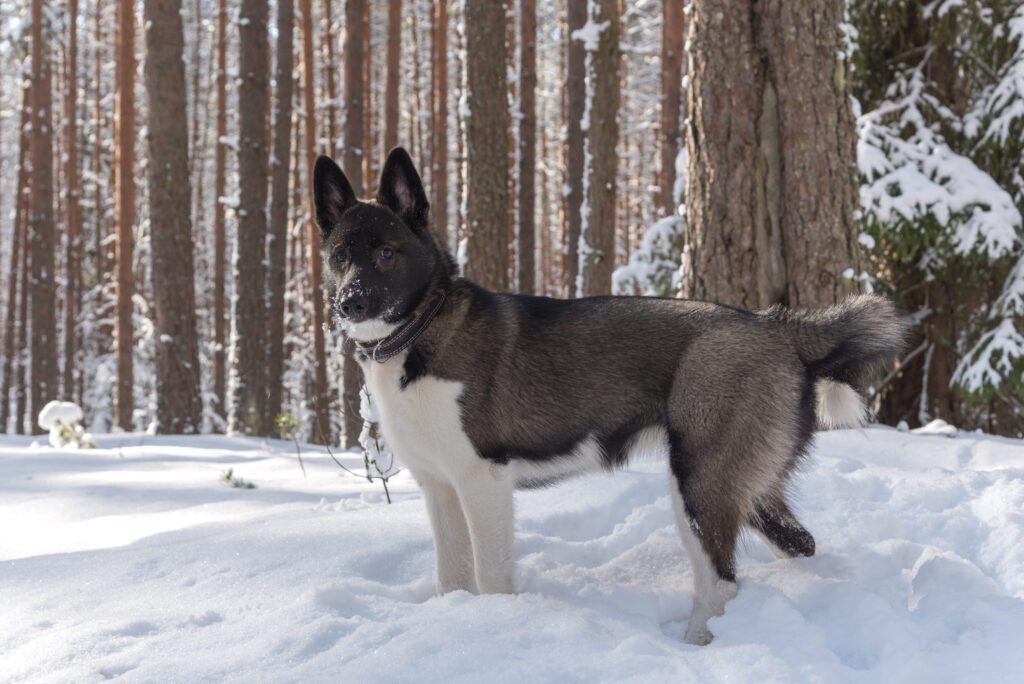


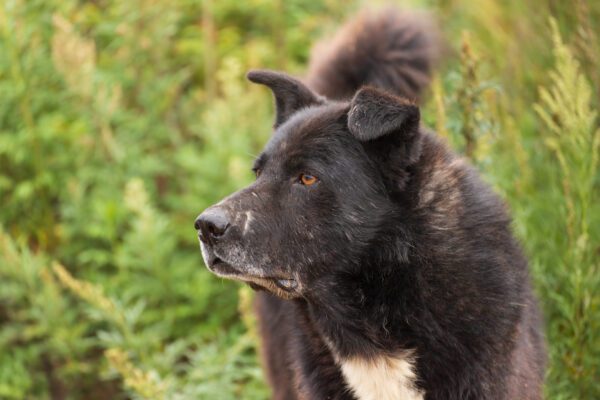
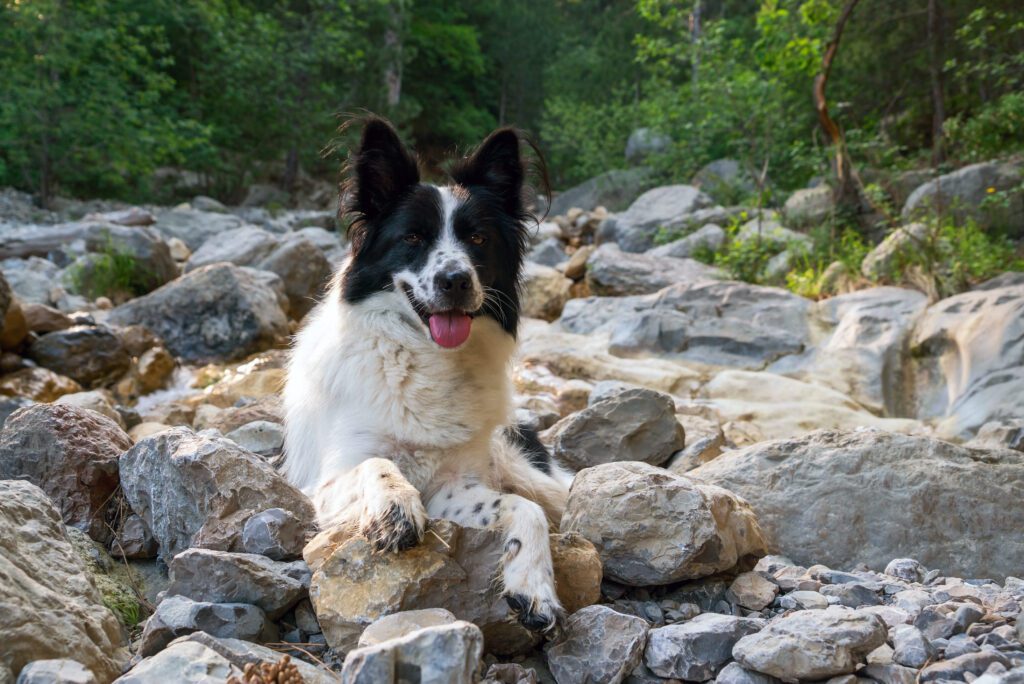
The Karelian Bear Dog is bold, athletic, and devoted to its family. This spitz-type hunter has keen senses, a strong voice, and impressive problem-solving skills. The breed bonds closely with its people and thrives when it has structured work, daily exercise, and clear expectations.
Thoughtful research protects both you and the dog. Adoption is a responsible path because it gives a deserving dog a new start, supports lifesaving programs, and often includes essential veterinary care. Careful planning ensures that the dog’s energy level and temperament match your lifestyle.
Nebraska offers wide-open spaces, cold winters, and hot summers. The Karelian Bear Dog’s dense double coat handles wind and snow well, which suits Nebraska’s winter climate. Summer heat requires shade, cool water, and exercise during cooler hours. Rural areas with wildlife demand secure fencing and strong management of prey drive. City living is possible when daily training, leashed exercise, and mental enrichment remain consistent.
You can skip separate searches of shelters and rescues by browsing statewide listings through Dog Academy. The listings gather adoptable dogs from local animal shelters, regional rescues, and foster networks in one place. Dog Academy also provides educational guides and adoption checklists that help you prepare your home and plan your first weeks.
Because the Karelian Bear Dog is rare, you may need to look beyond your immediate area. Start by reviewing listings from local animal shelters, regional rescues, and breed-specific rescue groups. Read each profile carefully, confirm the dog’s age, energy level, and behavior notes, and ask about temperament with other dogs, cats, and children. Make sure the dog’s needs align with your schedule, housing, and activity level.
Most organizations follow a similar process. You browse listings, submit an application, and share details about your household, experience with working breeds, and veterinary history. Many groups request landlord approval for renters. Meet-and-greets give you a chance to observe handling, response to cues, and energy level. Home checks confirm safe fencing, secure storage of food and medication, and a clean space for rest. Approval often takes 1 to 3 weeks, and rare breeds can take longer to match. When a dog is located outside your area, transport is often arranged by rescues to move dogs between states or regions, using volunteer drivers or licensed carriers who follow safety protocols.
Prepare before approval so you can welcome the dog calmly on day one. Set up a quiet room, a crate sized for comfortable turning and stretching, a sturdy leash, a secure collar or harness with identification tags, and enrichment like food puzzles. Plan a slow introduction schedule and arrange time off so you can focus on decompression and routine building during the first week.
|
How Much Does It Cost to Adopt a Karelian Bear Dog in Nebraska?In Nebraska, a realistic adoption fee for most adult Karelian Bear Dogs is $200 to $450 through local shelters or regional rescues. Puppies or dogs with recent professional training typically cost $400 to $650 due to higher demand and elevated care costs. Fees usually include spaying or neutering, vaccinations, microchipping, and veterinary exams. Some organizations also include a starter supply of food or a collar and leash, while local licensing and ongoing preventive care are separate expenses. Costs vary based on age, training, medical care already provided, and regional demand. A healthy adult with basic manners often sits at the middle of the range. A puppy that needs vaccines, parasite screening, and sterilization pushes fees higher. A dog that recently received dental work or specialized diagnostics may also have a higher fee to offset medical costs. |
How Should I Train a Karelian Bear Dog?The Karelian Bear Dog is intelligent and determined. The breed learns quickly but remains independent, so training must be clear, consistent, and rewarding. Positive reinforcement keeps the dog engaged and willing to problem solve with you. Short, focused sessions with high-value rewards build reliable responses to cues. Common challenges include strong prey drive, pulling on leash, and selective recall. Start impulse control early with sit, down, wait, leave it, and calm door manners. Build leash skills with loose-leash walking and structured sniff breaks. Teach recall with a long line in safe areas and reward every return generously. Provide daily mental work through scent games, tracking, and puzzle feeding to channel natural hunting instincts. For step-by-step help, explore Dog Academy’s online training courses, which cover foundations, recall, leash manners, and behavior problem solving in a clear, dog-friendly format. |
|
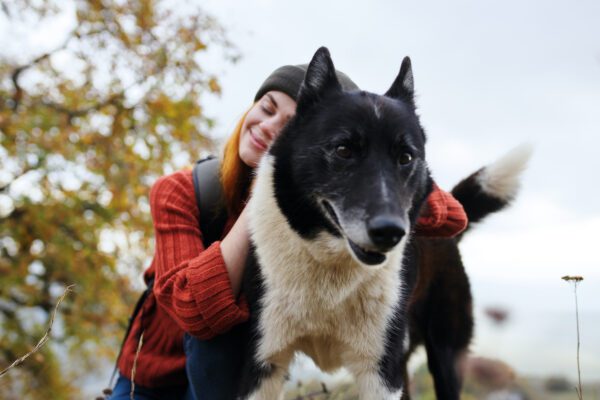
The ideal adopter is active, patient, and committed to training. A secure yard, a structured routine, and time for daily exercise help this breed thrive. Households that enjoy outdoor activity, enrichment, and teamwork often find the Karelian Bear Dog deeply rewarding.
Take your time, research carefully, and prepare your home before you apply. Use Dog Academy’s adoption listings to locate available dogs across Nebraska, ask thoughtful questions, and choose a match that fits your lifestyle. With preparation and steady training, you can welcome a confident, capable companion who feels right at home.

Introducing a new puppy to your current dog is often an exciting process, and many dogs will become fast friends and eas...
Read More
Rescue dogs can make great companions and can transform your home into something better. These dogs make great pets and ...
Read More
You should never rush to pet a dog. Even dog owners make the mistake of approaching unfamiliar dogs and petting them rig...
Read More
Puppy mill dogs are survivors who have endured extreme hardships in their lives. They have grown up in horrendous, unsan...
Read More
With their wagging tails and comforting presence, adopting a dog can add a unique touch to your life. It’s a heart...
Read More
Older dogs may have a few gray hairs around the edges, but that doesn’t mean they can’t make wonderful companions! T...
Read More