
















































































































Introducing a new puppy to your current dog is often an exciting process, and many dogs will become fast friends and eas...
Read MoreAdopt Me

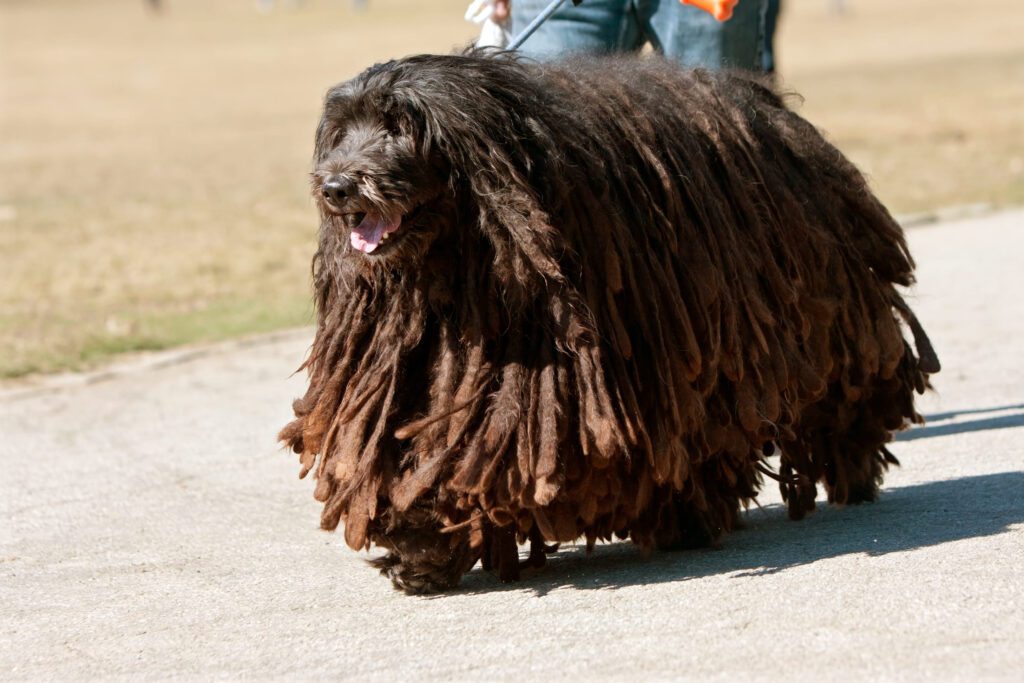
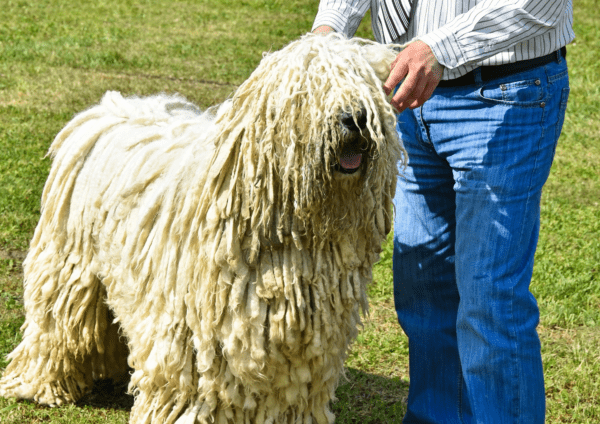
The Komondor is a calm, confident, and deeply loyal livestock guardian that bonds closely with family. This large breed is famous for its protective nature and its distinctive corded coat. The Komondor thrives when given clear purpose and steady leadership. Research matters because this is a thoughtful, independent dog that needs consistent training, space, and a family that understands guardian instincts.
Choosing adoption over buying helps a dog in need while supporting ethical rescue efforts. Adopters usually receive clearer health and behavior information, and many dogs arrive already spayed or neutered and vaccinated. Adopting a Komondor can be especially rewarding because the breed sometimes lands in rescue when families underestimate grooming or management needs.
Nebraska’s wide-open spaces and working properties can suit a Komondor very well. The state’s cold winters match the breed’s insulating coat, though snow and ice still require safe footing and warm shelter. Hot and humid summers demand shade, fresh water, and coat management to prevent overheating. Urban living in Nebraska can work if you provide daily exercise, firm boundaries, and a secure yard. A Komondor fits best with a lifestyle that values structure, time outdoors, and patient training.
You can avoid searching rescues and shelters one by one by browsing Dog Academy. The adoption listings gather available dogs from local shelters, regional rescues, and foster networks in one place. You can filter by location and needs, then use Dog Academy’s educational guides and adoption checklists to prepare your home and plan your first week.
Komondors are uncommon, so plan to check local animal shelters, regional rescues, and breed-specific rescue groups. Foster-based networks in neighboring states sometimes have suitable dogs. Set alerts, follow updates, and stay patient. A well-matched placement is more important than speed, especially with a guardian breed that bonds strongly.
The process typically starts by browsing listings and reading profiles in full. Next you submit an application that explains your home setup, fencing, work hours, experience with large breeds, and plans for training and grooming. Most groups request veterinary references, proof of landlord approval when you rent, and contact information for personal references. Reviews often take 3 to 10 days, and a rarer breed like the Komondor can take 1 to 3 weeks to place while the group screens for fit.
After initial approval you attend a meet-and-greet at a shelter, a rescue office, or a foster home. Introductions usually include calm handling, a short walk, and a discussion of behavior and medical history. Many groups schedule a home check to confirm safe containment, sturdy fencing, and secure storage of chemicals and tools. If everything looks good, you sign an adoption agreement, pay the fee, and schedule pick up. Some rescues include a short trial period with check-ins to support a smooth transition.
Transport can expand your options when you adopt a Komondor in Nebraska. Rescues sometimes arrange transport to move dogs between locations using volunteer relay drivers or licensed carriers. Transport usually delivers to a central pickup point and includes a modest fee to cover fuel and supplies. The rescue will explain timing, handoff procedures, and any rest requirements so you can bring the dog home safely.
|
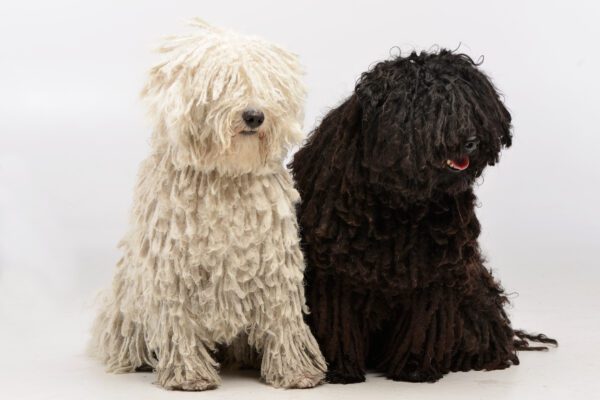
How Much Does It Cost to Adopt a Komondor in Nebraska?Most Nebraska shelters and rescues place Komondors for $200 to $450. The fee reflects the breed’s size, intake costs, and lower overall demand compared with popular companion breeds. Puppies or young adults with training often sit at the higher end, while seniors or dogs with known medical needs may be lower. Some groups include starter training or grooming support, which can raise the fee slightly. If transport is used, expect an added charge that typically covers fuel, crates, and basic supplies. Fees usually include spaying or neutering, vaccinations, microchipping, and veterinary exams. Costs also reflect recent medical care, such as treatment for skin issues or ear infections, and the level of post-adoption support the group provides. Ask for an itemized summary so you know exactly what has been completed and what you should schedule with your local veterinarian. |
How Should I Train a Komondor?The Komondor is intelligent and thoughtful, yet it often works independently. That combination creates a dog that learns quickly but questions unclear direction. Early socialization, consistent boundaries, and daily mental work matter as much as physical exercise. Focus on leash manners, recall, place training, and calm door greetings. Short, clear sessions with high-value rewards help the dog understand what earns praise. Use patient, positive reinforcement. A Komondor responds best to calm, confident leadership and clear routines. Harsh corrections or chaotic environments can increase defensiveness in a guardian breed. Build trust through predictable schedules, slow introductions to visitors, and structured exposure to farm equipment, livestock, and neighborhood traffic. For step-by-step guidance, enroll in Dog Academy’s online training courses, which cover foundation skills, impulse control, and real-world manners tailored to large breeds. |
|
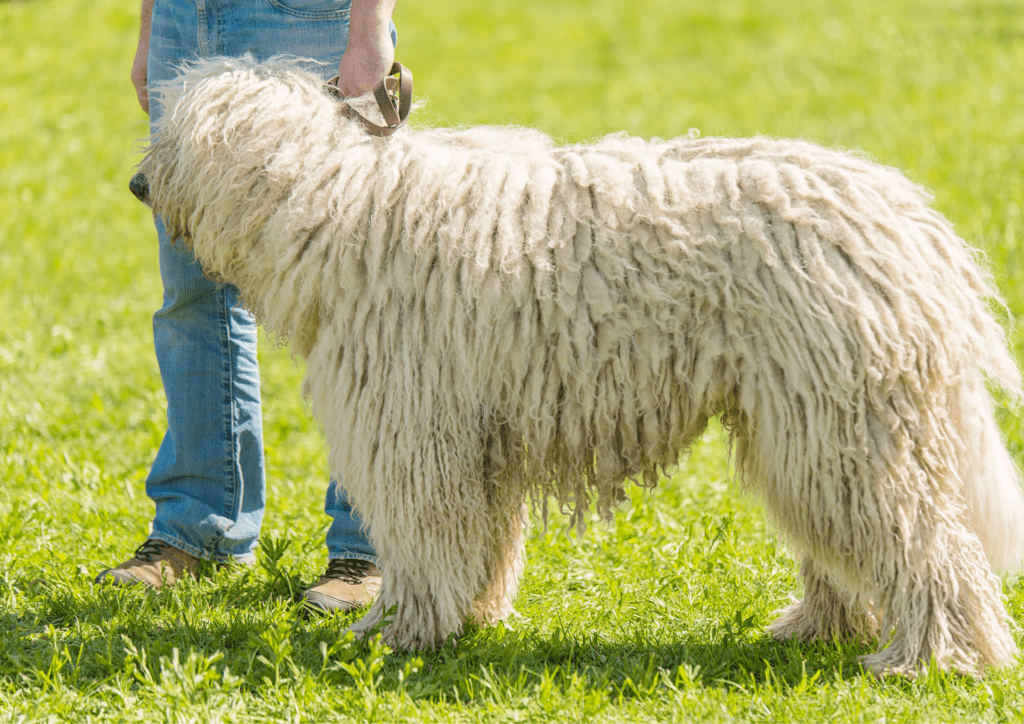
The ideal adopter is patient, consistent, and ready to provide structure every day. A Komondor thrives with an owner who can manage grooming, maintain secure fencing, and commit to regular training and thoughtful socialization. Space to roam safely is helpful, and time with family is essential for a strong bond.
Adopt at your own pace and prepare your home before the first day. Gather supplies, review training plans, and learn the breed’s needs so you start strong. When you are ready to adopt a Komondor in Nebraska, take your time, ask questions, and choose the dog that fits your lifestyle for a lasting partnership.

Introducing a new puppy to your current dog is often an exciting process, and many dogs will become fast friends and eas...
Read More
Rescue dogs can make great companions and can transform your home into something better. These dogs make great pets and ...
Read More
You should never rush to pet a dog. Even dog owners make the mistake of approaching unfamiliar dogs and petting them rig...
Read More
Puppy mill dogs are survivors who have endured extreme hardships in their lives. They have grown up in horrendous, unsan...
Read More
With their wagging tails and comforting presence, adopting a dog can add a unique touch to your life. It’s a heart...
Read More
Older dogs may have a few gray hairs around the edges, but that doesn’t mean they can’t make wonderful companions! T...
Read More