













































































































Introducing a new puppy to your current dog is often an exciting process, and many dogs will become fast friends and eas...
Read MoreAdopt Me

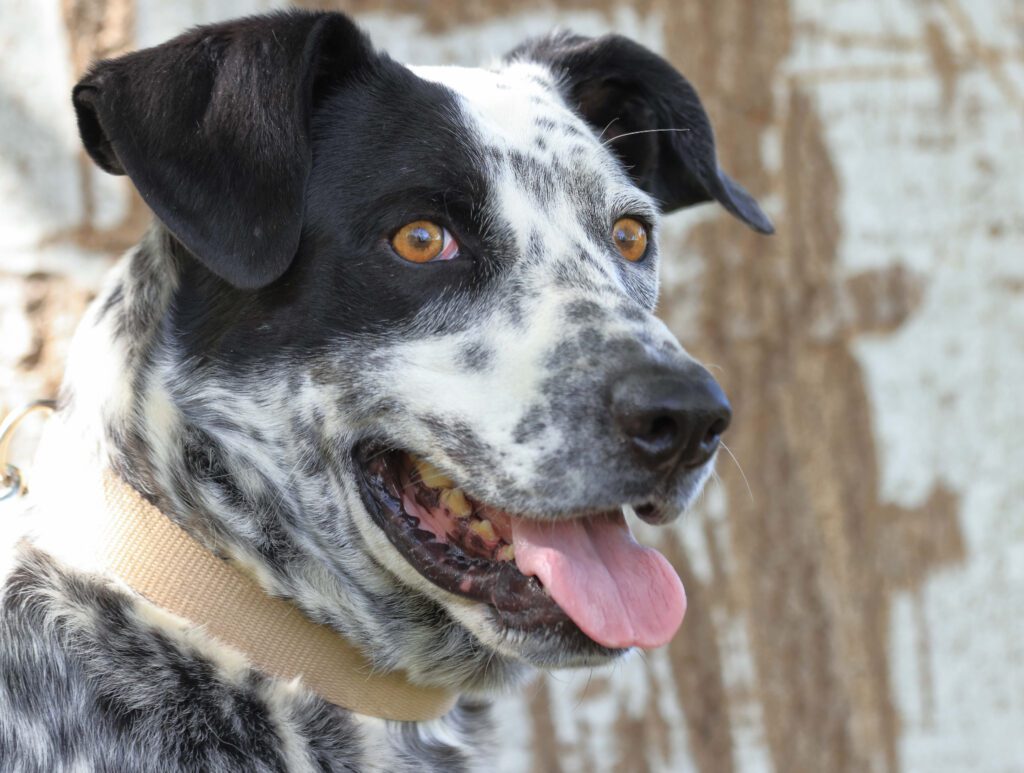


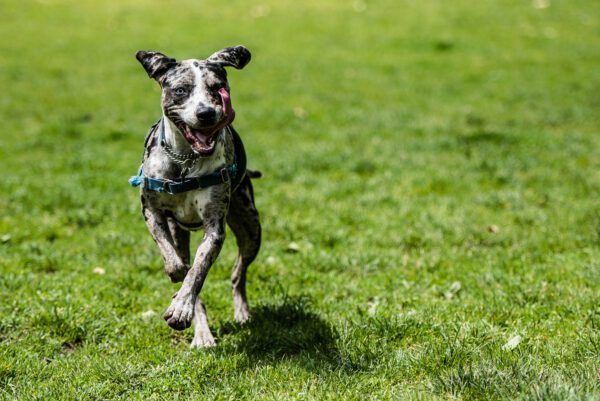
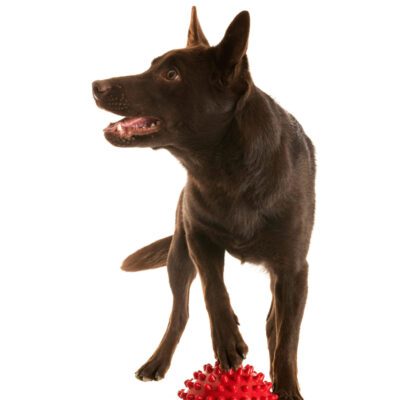
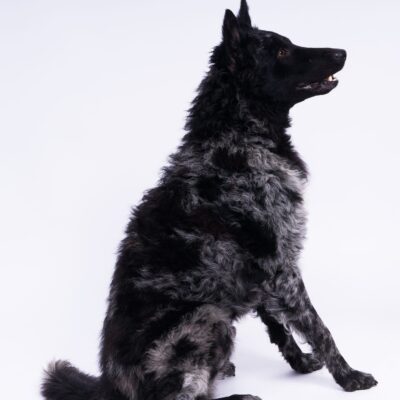
The Catahoula Leopard Dog is athletic, intelligent, and devoted. This breed brings striking merle coats, keen problem solving, and a strong work ethic. Many families love the loyalty and the energy that make outdoor adventures more fun. Careful research helps every adopter match the breed’s needs with a stable home.
Adoption is a responsible choice because it gives a deserving dog a second chance while supporting lifesaving work. Nebraska can be a strong fit for this breed. The state offers open spaces, trails, and farm properties where a Catahoula can exercise and thrive. Nebraska winters are cold and windy with snow, so adopters need warm gear, short outdoor sessions, and indoor enrichment. Summers can be hot, so shade, water, and rest breaks keep a working dog safe. With the right plan, the breed’s drive and stamina suit active Nebraska lifestyles.
You can avoid searching for rescues and shelters separately by using Dog Academy. Dog Academy gathers adoptable Catahoula Leopard Dogs in one place and provides educational guides and adoption checklists that help you prepare. You can also look at local animal shelters, regional rescues, and breed-specific rescue groups that serve Nebraska and nearby states.
The process starts by browsing listings to learn about age, temperament, and energy level. When you find a good match, you complete an application that includes references, a landlord check when renting, and details about your schedule and experience with high-energy dogs. A volunteer or staff member reviews the application to ensure the match fits the dog’s needs.
Most groups schedule a meet-and-greet either at a shelter or at a foster home. The next steps often include a home check that can be in person or virtual. The goal is to confirm secure fencing, safe storage for chemicals, and a realistic plan for exercise and enrichment. Approval timelines usually run 1 to 3 weeks from application to decision. The timeline can extend if a dog has medical needs, if transport is involved, or if the group receives many applications for the same dog.
After approval, you sign an adoption contract and pay the fee. Some regional rescues arrange transport to move dogs between locations when a foster is far from your home. Transport is often arranged by rescues to move dogs between states, and it can involve volunteer drivers or paid couriers. Groups explain routes, costs, and pickup points in advance so adopters can plan a safe arrival.
|
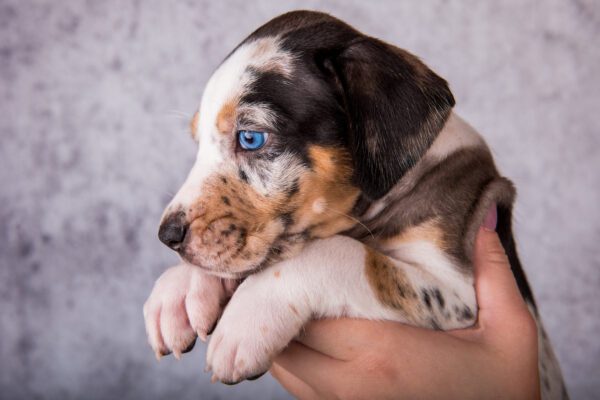
How Much Does It Cost to Adopt a Catahoula Leopard Dog in Nebraska?In Nebraska, a realistic adoption fee for an adult Catahoula Leopard Dog usually falls between $175 and $300. Puppies often cost between $325 and $450 because of higher preventive care and demand. Fees reflect services already provided, which typically include spaying or neutering, vaccinations, microchipping, and veterinary exams. Many groups also cover deworming and a heartworm test for adults. Costs vary with age, training history, and medical care. A well-socialized dog with recent training can be priced at the top of the range. Dogs that received extra medical treatment, such as dental work or orthopedic care, may be priced above these ranges to recover expenses. Demand can increase fees for puppies or for rare coat patterns. Always ask for an itemized list of what the fee covers so you understand value and care. |
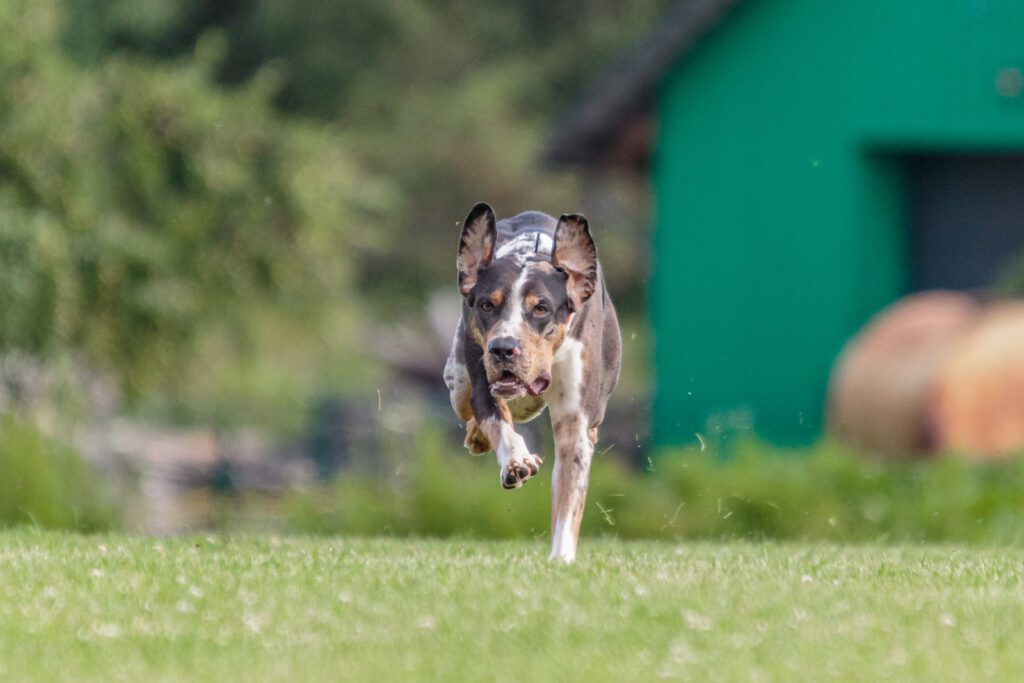
How Should I Train a Catahoula Leopard Dog?The Catahoula Leopard Dog is clever, quick to learn, and eager to work. Training moves fastest when you channel natural instincts into jobs and games. Use positive reinforcement with high-value rewards and clear timing. Short sessions that mix obedience, scent games, and problem solving keep this breed engaged. Consistency builds trust and prevents confusion. Common challenges include intense prey drive, strong pulling, and vocal alerts. Many Catahoulas try to herd when excited, which can lead to nipping or chasing. Focus on impulse control, loose-leash walking, reliable recall, and calm greetings. Start socialization early and continue it through adulthood. Avoid harsh corrections since they can create stress and shut down learning. Provide daily exercise that totals 60 to 90 minutes, along with mental work like tracking games or puzzle feeding. Cold days in Nebraska call for indoor activities such as nose work and structured play to meet needs without long exposure to wind and ice. You can build skills step by step with Dog Academy’s online training courses. Courses cover obedience foundations, leash manners, recall, crate training, and enrichment plans that suit high-drive working breeds. Lessons are flexible, so you can practice at home or on the farm while keeping progress steady. |
|
The ideal adopter enjoys an active routine, provides consistent training, and offers strong leadership with kindness. A secure yard, a commitment to daily exercise, and time for mental work create a stable life for this breed. Families in Nebraska who like hiking, running, or ranch chores often find that a Catahoula thrives when given a purpose.
Prepare your home, gather supplies, and review health and training plans before you apply. Take time to meet different dogs and ask thoughtful questions about temperament and history. When you move at a steady pace and use trusted resources, you can adopt a Catahoula Leopard Dog in Nebraska with confidence and set the stage for a rewarding partnership.
Introducing a new puppy to your current dog is often an exciting process, and many dogs will become fast friends and eas...
Read More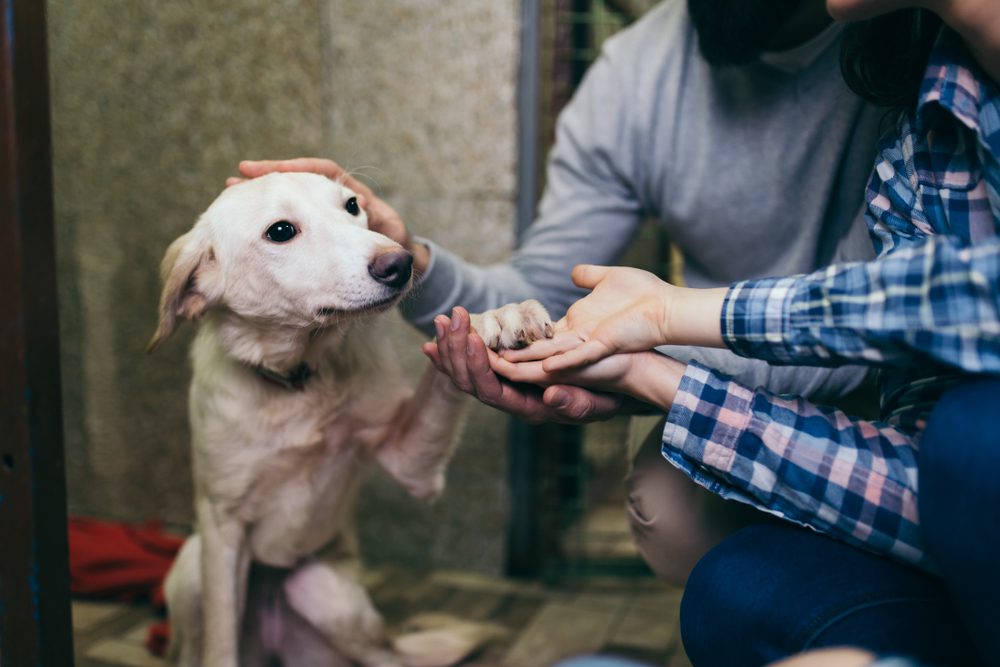
Rescue dogs can make great companions and can transform your home into something better. These dogs make great pets and ...
Read More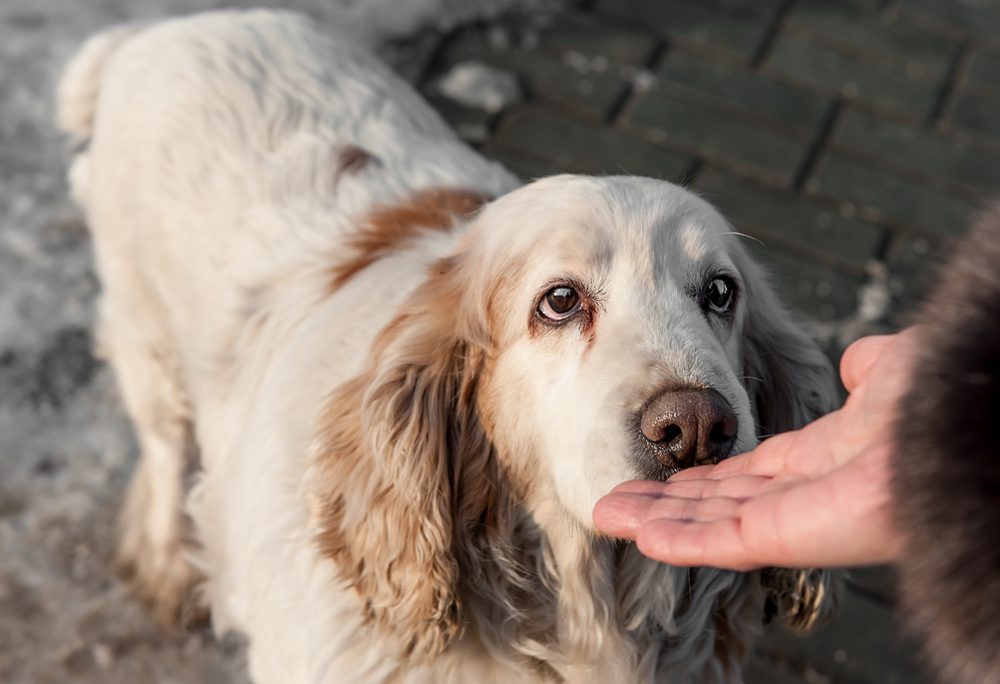
You should never rush to pet a dog. Even dog owners make the mistake of approaching unfamiliar dogs and petting them rig...
Read More
Puppy mill dogs are survivors who have endured extreme hardships in their lives. They have grown up in horrendous, unsan...
Read More
With their wagging tails and comforting presence, adopting a dog can add a unique touch to your life. It’s a heart...
Read More
Older dogs may have a few gray hairs around the edges, but that doesn’t mean they can’t make wonderful companions! T...
Read More