




























































































































































































Introducing a new puppy to your current dog is often an exciting process, and many dogs will become fast friends and eas...
Read MoreAdopt Me





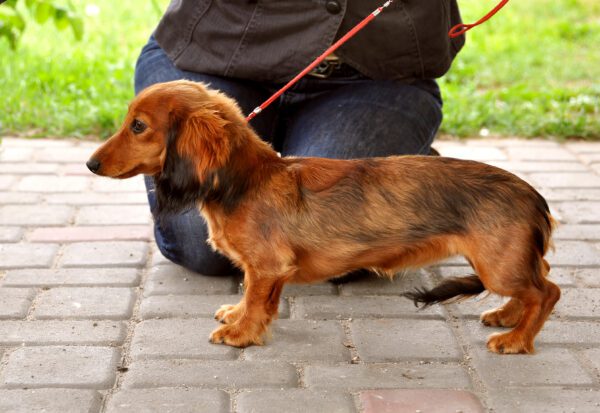
The Long-Haired Dachshund is affectionate, alert, and delightfully bold. This small hound enjoys curling up with family and then springing into play when the mood strikes. The flowing coat adds elegance while the compact size makes daily life manageable for many households. Careful research helps you understand grooming needs, exercise, and health considerations before you adopt a Long-Haired Dachshund in Nebraska.
Adoption gives a deserving dog a safe home while discouraging impulse breeding. Most adopted dogs receive essential veterinary care before going home, which helps you start strong. Nebraska can suit this breed well when you plan for the climate and terrain. Winters bring snow, wind, and ice, so your dog benefits from a warm coat, paw protection, and shorter but more frequent walks. Summers can be hot and humid in the east and hot and dry in parts of the west, so you should schedule shaded walks and carry water.
Nebraska’s mix of city neighborhoods, small towns, and open farmland offers varied routines. Apartments work when you provide daily walks, indoor play, and mental enrichment. Yards should have secure fencing because scent-driven dogs like to follow interesting trails. Stairs and jumping can strain the long back, so you should use ramps and teach careful movement around furniture.
You can avoid searching rescues and shelters separately by starting with Dog Academy. The adoption listings gather dogs from many sources in one place so you can filter by breed, age, and location. You also get educational guides and adoption checklists that help you prepare your home, plan your budget, and ask the right questions.
Adoptable Long-Haired Dachshunds appear through local animal shelters, regional rescues, foster-based groups, and breed-specific rescue groups. Some organizations accept applications statewide and then match you with a dog that fits your lifestyle. When a dog is not nearby, rescues may arrange transport to move dogs between locations. Transport is often organized through volunteer drivers or licensed carriers, and pickups usually take place at safe meeting points with clear instructions.
The process starts with browsing listings and reading full bios. You then submit an application that explains your household, schedule, housing type, fencing, and pet history. Many groups ask for landlord approval when you rent and for veterinary references if you have current pets. Strong applications show how you will manage exercise, grooming, training, and back safety for a long-bodied dog.
After application review, you schedule a meet-and-greet. If you have resident pets, introductions happen in a neutral space when possible. Some groups complete a home check to confirm safety, which can happen in person or through a virtual tour. Approval can take between 3 and 14 days depending on volume, location, and whether a medical hold or transport is involved. Final steps include signing an adoption contract, paying the fee, arranging pickup, and receiving any available records and routine supplies. Some organizations offer a foster-to-adopt option for a short trial with clear check-ins and expectations.
|
How Much Does It Cost to Adopt a Long-Haired Dachshund in Nebraska?In Nebraska, the typical adoption fee for a Long-Haired Dachshund ranges from $225 to $425. This estimate reflects the state’s moderate costs and the breed’s steady demand. Puppies can run closer to $400 to $500 because they require more frequent veterinary care and training support. Seniors often cost $150 to $250 when groups promote age-based discounts. Fees usually include spaying or neutering, vaccinations, microchipping, and veterinary exams. Some dogs also receive dental cleanings, heartworm treatment, or professional grooming before placement, which can increase the fee slightly. Age, training, medical history, and local demand affect the price. A young adult with recent training and no medical concerns often sits in the middle of the range. A dog that completed advanced medical care may cost more because that care helps the dog start life with you in good health. Fees support the care of animals still waiting, which helps the entire community. |
How Should I Train a Long-Haired Dachshund?Long-Haired Dachshunds are intelligent, curious, and sometimes independent. A strong nose drives them to investigate scents, which can make focus challenging outdoors. Positive reinforcement works best. Use small treats, upbeat praise, and short 5 to 10 minute sessions to keep motivation high. End on success and build difficulty slowly so your dog learns with confidence. House training improves when you keep a schedule, go out on leash, and reward the instant your dog finishes. Barking reduces when you meet exercise needs, teach a quiet cue, and reinforce calm behavior. Crate training supports safe rest and helps with travel and recovery after activity. Leash manners improve with a well-fitted harness that protects the neck and back while you reward walking by your side. Back safety training matters for every Dachshund. Teach a reliable wait at stairs and curbs, practice an off cue to prevent jumping, and use ramps for beds and sofas. Add impulse control games like sit and look at me to manage excitement around squirrels or new people. For step-by-step guidance that fits busy schedules, explore Dog Academy’s online training courses. The lessons cover foundation skills, enrichment ideas, and solutions for common hound challenges from the comfort of home. |

|
The ideal adopter enjoys daily walks, gentle play, regular brushing, and consistent training. This breed thrives with people who value routine and who protect the long back with ramps and careful handling. Apartments and houses both work when exercise, enrichment, and social time are part of every day. Families with respectful children and calm resident pets often do especially well.
Preparation sets you up for success. Gather supplies, schedule a wellness exam, and plan a gradual routine for alone time. Take your time to meet several dogs and ask thoughtful questions. When you are ready to adopt a Long-Haired Dachshund in Nebraska, use clear steps, rely on trusted resources, and move at a pace that feels right for both you and the dog.

Introducing a new puppy to your current dog is often an exciting process, and many dogs will become fast friends and eas...
Read More
Rescue dogs can make great companions and can transform your home into something better. These dogs make great pets and ...
Read More
You should never rush to pet a dog. Even dog owners make the mistake of approaching unfamiliar dogs and petting them rig...
Read More
Puppy mill dogs are survivors who have endured extreme hardships in their lives. They have grown up in horrendous, unsan...
Read More
With their wagging tails and comforting presence, adopting a dog can add a unique touch to your life. It’s a heart...
Read More
Older dogs may have a few gray hairs around the edges, but that doesn’t mean they can’t make wonderful companions! T...
Read More