

























































































































































































Introducing a new puppy to your current dog is often an exciting process, and many dogs will become fast friends and eas...
Read MoreAdopt Me



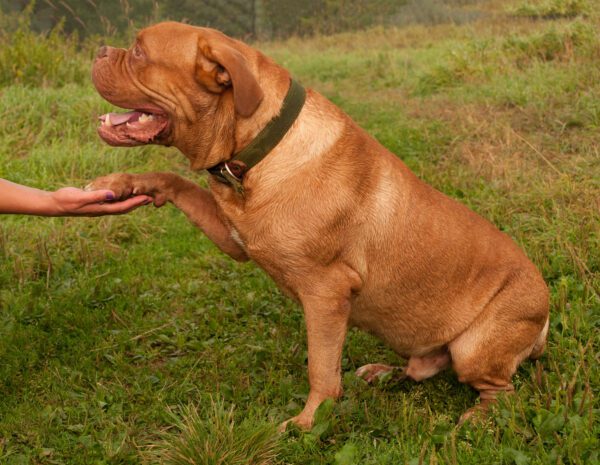
The Dogue De Bordeaux is a powerful yet affectionate guardian that bonds deeply with family. This breed is calm in the home, loyal with loved ones, and naturally protective. A Dogue thrives when it has clear structure, steady companionship, and gentle leadership. Its size and strength require respect and planning from day one. Thoughtful research helps you understand daily needs, long term health, and the commitment required by a giant breed.
Adoption gives a deserving dog a second chance and often places you with a dog that has been evaluated and vetted. Many adoptable Dogues already live in foster homes, which means volunteers can share helpful insights about temperament and routine. Adoption also supports humane solutions while reducing demand for commercial breeding.
New Hampshire offers forested trails, quiet neighborhoods, and a balanced lifestyle that fits a steady companion. The state’s winters are cold, and the Dogue De Bordeaux has a short coat, so you must limit time outdoors in freezing temperatures and use a warm jacket when needed. Summers can be humid, and this brachycephalic breed overheats easily, so you must provide shade, water, and rest during warm days. A yard with secure fencing, short daily walks, and low impact play suit this heavy, joint-sensitive dog well. Apartment living can work if you manage stairs, commit to exercise, and maintain a calm routine.
You can skip separate searches of shelters and rescues by browsing centralized listings through Dog Academy. You can view available dogs, filter by location, and follow clear next steps in one place. You can also use Dog Academy guides and adoption checklists to prepare your home, plan your schedule, and gather documents before you apply.
Start by exploring local animal shelters, regional rescues, and breed-specific rescue groups that serve New Hampshire. Many groups use foster networks and post detailed profiles that describe age, behavior, and medical history. Read each profile closely and confirm that exercise needs, training history, and health needs fit your lifestyle. A careful match helps you provide safe handling and consistent care from the first day.
The typical process begins with browsing listings, submitting an application, and sharing references. Applications often ask about your schedule, home setup, landlord permission when you rent, and veterinary history for current or past pets. If you appear to be a good fit, the next step usually includes a phone interview followed by a meet-and-greet. Meet-and-greets help you assess handling, sociability, and response to family members. Many groups also conduct a home check, which may be virtual or in person, to confirm safety and readiness.
Approval timelines vary by group and by the dog. Straightforward applications can move in several days, while complex cases can take a few weeks. Foster availability, veterinary appointments, and home checks can influence timing. Some rescues arrange transport to move dogs between locations when a strong match is found. Transport is often organized by the rescue using volunteer drivers or licensed carriers, and adopters may pay a separate transport fee to cover fuel, tolls, and coordination.

|
How Much Does It Cost to Adopt a Dogue De Bordeaux in New Hampshire?In New Hampshire, you can expect to pay about $350 to $650 to adopt a Dogue De Bordeaux. Puppies and young adults often sit at the higher end of that range. Seniors or dogs with special needs sometimes cost less when groups offer reduced fees. Fees reflect the size of the dog and the breed’s medical needs in this region. Adoption fees typically include spaying or neutering, vaccinations, microchipping, and veterinary exams. Costs may be higher when a dog receives dental care, orthopedic evaluations, or specialized medications before placement. Training investments, professional behavior assessments, and high local demand can also raise fees. If transport is required, you may see an added surcharge that covers safe travel arrangements. |
How Should I Train a Dogue De Bordeaux?The Dogue De Bordeaux is intelligent and devoted, though it can be independent and slow to mature. Short, upbeat sessions work best, and clear boundaries help this strong breed relax and follow direction. Use high value rewards, mark calm behavior, and end sessions while your dog still wants more. Early socialization builds confidence, reduces reactivity, and supports polite manners with visitors and other dogs. Focus first on name recognition, recall, loose leash walking, and impulse control. Practice stationing on a mat, waiting at doors, and trading objects to prevent guarding. Avoid harsh corrections. Positive reinforcement and patient repetition build trust and reliability far better than force. If you want a structured plan you can follow step by step, explore Dog Academy’s online training courses for giant-breed basics, leash skills, and calm greeting routines. |

|
The ideal Dogue De Bordeaux adopter is patient, consistent, and comfortable guiding a powerful dog with kindness. A stable routine, a safe space for rest, and time for training create a smooth transition. Families that value quiet companionship and can manage drool, shedding, and size will enjoy this breed’s steady presence and deep loyalty.
Set yourself up for success by preparing supplies, confirming a veterinarian, and planning your first weeks at home. Take your time as you review listings and ask thoughtful questions. Careful research, clear expectations, and a kind approach will help you adopt a Dogue De Bordeaux in New Hampshire with confidence and care.

Introducing a new puppy to your current dog is often an exciting process, and many dogs will become fast friends and eas...
Read More
Rescue dogs can make great companions and can transform your home into something better. These dogs make great pets and ...
Read More
You should never rush to pet a dog. Even dog owners make the mistake of approaching unfamiliar dogs and petting them rig...
Read More
Puppy mill dogs are survivors who have endured extreme hardships in their lives. They have grown up in horrendous, unsan...
Read More
With their wagging tails and comforting presence, adopting a dog can add a unique touch to your life. It’s a heart...
Read More
Older dogs may have a few gray hairs around the edges, but that doesn’t mean they can’t make wonderful companions! T...
Read More