

























































































































































































Introducing a new puppy to your current dog is often an exciting process, and many dogs will become fast friends and eas...
Read MoreAdopt Me
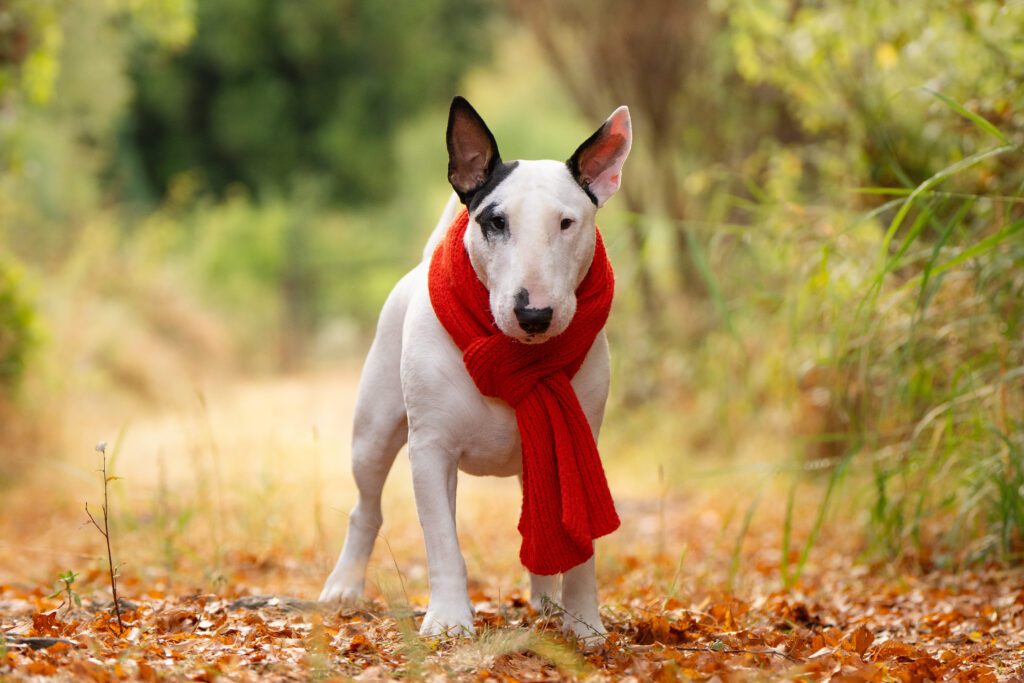


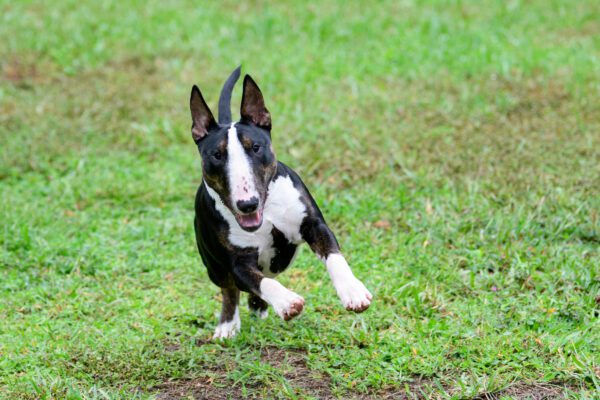
Bull Terriers are bold, affectionate, and playful companions that thrive with engaged owners. They are loyal and silly, yet strong and determined. Their egg-shaped head and muscular frame turn heads, but it is their clownish charm and devotion that win hearts. Careful research matters before you adopt a Bull Terrier in New Hampshire because this breed brings high energy, a strong prey drive, and a need for daily structure.
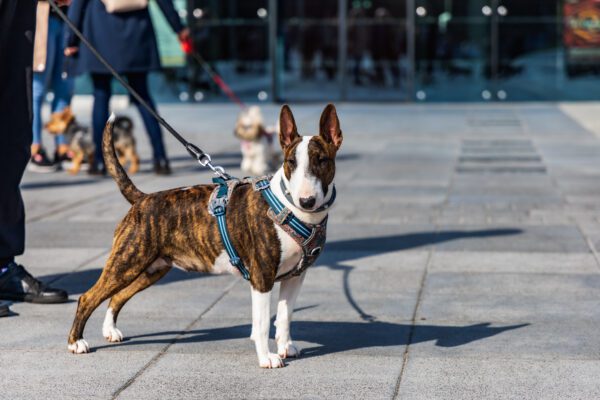
Adoption provides a second chance to a dog in need and often includes important veterinary care at a lower cost than buying. It also gives you access to support from adoption counselors who want to match you with the right fit. New Hampshire’s four-season climate can suit a Bull Terrier well when you plan ahead. Their short coat needs a warm jacket in winter and protection from icy sidewalks. Wooded trails and rural roads offer great exercise, while urban and suburban neighborhoods require leashed walks and secure yards. Ticks are common in wooded areas, which means consistent prevention is important.
This breed needs active families that enjoy daily walks, play sessions, and mental games. Winter snow days call for indoor enrichment like puzzle feeders and short training bursts. Summer humidity means you should schedule exercise during cooler morning or evening hours. A fenced yard is helpful in many New Hampshire communities because it reduces the risk of chasing wildlife.
You can avoid searching for rescues and shelters separately by browsing centralized listings through Dog Academy. The platform brings together adoptable dogs from local animal shelters, regional rescues, and breed-specific rescue groups in one place. You can also find educational guides and adoption checklists to prepare for each step. This approach saves time and helps you compare options across the state and neighboring areas.
Start by browsing current listings and reading each profile carefully. Look for details about age, activity level, known triggers, and any training progress. Submitting an application usually comes next. Applications often ask about your household, schedule, experience with strong breeds, landlord permission when renting, and plans for exercise and training. Providing complete and honest information helps counselors assess fit and speeds up approval.
After an application review, many groups schedule a meet-and-greet at a shelter or a foster home. This meeting confirms that energy levels and personalities work with your family and any resident pets. Home checks are common for powerful breeds. A home check verifies safe fencing, secure storage of cleaners and medications, and a setup that allows calm decompression. Some groups handle home checks virtually by video, while others visit in person.
Approval timelines vary. Straightforward applications can move from submission to adoption in 1 to 3 weeks, while more complex cases take longer. If your ideal match is outside your immediate area, rescues sometimes arrange transport to move dogs between locations when it improves placement. Transport is often handled by volunteer drivers or licensed carriers, and timing depends on distance and available routes. Stay flexible and keep communication open with the adoption coordinator.
|
How Much Does It Cost to Adopt a Bull Terrier in New Hampshire?Most adopters in New Hampshire can expect to pay $350 to $650 for an adult Bull Terrier. Puppies and young adolescents tend to cost more due to demand and extra veterinary care, which places many of them around $500 to $750. Fees vary with age, training, medical history, and regional demand. Dogs that have completed manners training or medical treatment usually sit at the higher end because the organization has invested more care. Adoption fees commonly include spaying or neutering, vaccinations, microchipping, and veterinary exams. Many groups also provide deworming and a health certificate. If transport is involved, a portion of the fee may help cover safe travel arrangements that move the dog from one location to another. These inclusions reduce your initial veterinary expenses and help you start with a healthy, well-identified dog. |
How Should I Train a Bull Terrier?Bull Terriers are bright and eager, yet they test boundaries. Consistent routines and clear rules help them succeed. Positive reinforcement builds trust and keeps their enthusiasm focused on good choices. Use short sessions with high-value rewards to practice attention, impulse control, and calm greetings. Early socialization with neutral dogs and polite exposure to new places sets a strong foundation. Because many Bull Terriers have a strong prey drive, practice reliable recalls on a long line in safe areas and maintain secure fencing. Common challenges include mouthy play, jumping, pulling, and reactivity toward other dogs. Address these early with structured exercise, mental enrichment, and daily training. Crate training supports safe downtime and prevents destructive behavior when unsupervised. If you want step-by-step help, explore Dog Academy’s online training courses for impulse control, loose-leash walking, and recall. Professional, reward-based guidance helps you channel this breed’s power into polite manners and confident behavior. |
|
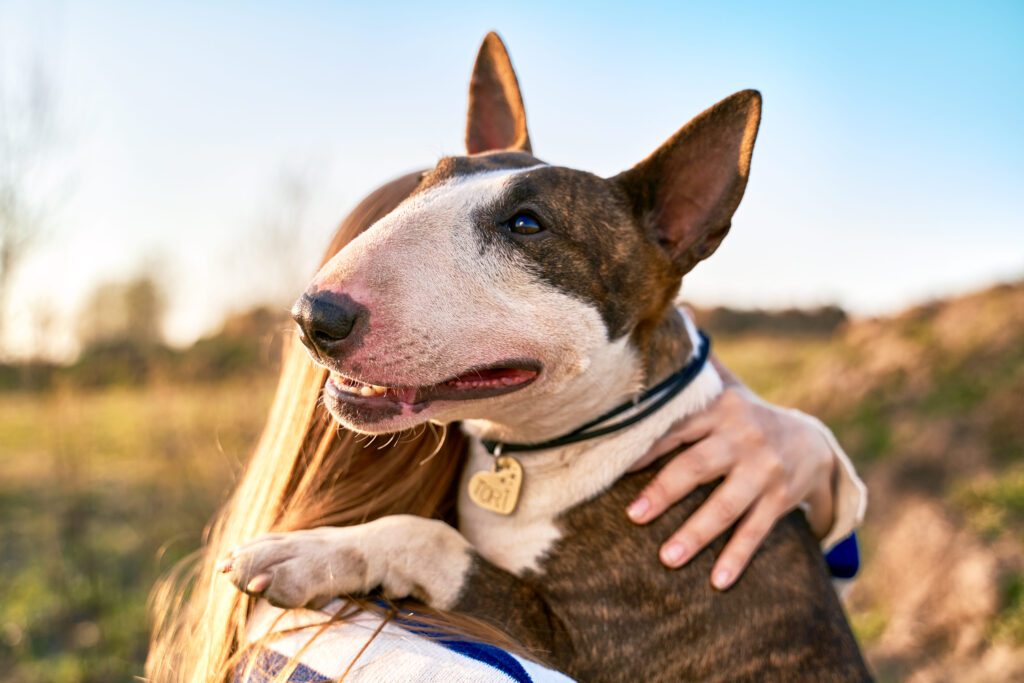
The ideal adopter enjoys daily activity, sets consistent boundaries, and provides patient guidance. A Bull Terrier thrives with people who value structure, enrichment, and time together. Prepare your home with a secure yard or reliable leash plan, sturdy toys, and a clear routine for walks, training, and rest.
Take your time, ask detailed questions, and choose a dog whose needs match your lifestyle. When you adopt a Bull Terrier in New Hampshire with thoughtful planning, you give a deserving dog a stable home and welcome a loyal, entertaining partner for years to come.

Introducing a new puppy to your current dog is often an exciting process, and many dogs will become fast friends and eas...
Read More
Rescue dogs can make great companions and can transform your home into something better. These dogs make great pets and ...
Read More
You should never rush to pet a dog. Even dog owners make the mistake of approaching unfamiliar dogs and petting them rig...
Read More
Puppy mill dogs are survivors who have endured extreme hardships in their lives. They have grown up in horrendous, unsan...
Read More
With their wagging tails and comforting presence, adopting a dog can add a unique touch to your life. It’s a heart...
Read More
Older dogs may have a few gray hairs around the edges, but that doesn’t mean they can’t make wonderful companions! T...
Read More