




























































































































































































Introducing a new puppy to your current dog is often an exciting process, and many dogs will become fast friends and eas...
Read MoreAdopt Me
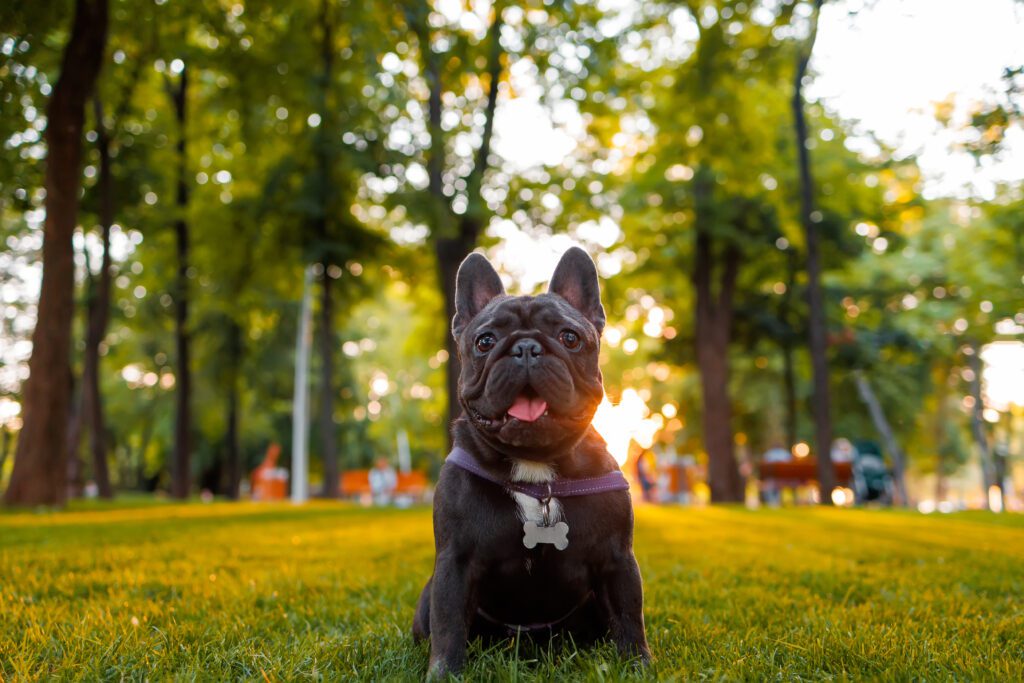


A Blue French Bulldog wins hearts with a compact build, expressive eyes, and a sweet, social nature. This breed loves people, enjoys play in short bursts, and relaxes happily on the couch. Energy needs stay moderate, which suits many homes and work schedules. A Blue French Bulldog fits apartment life or a quiet house, as long as daily companionship and gentle exercise are consistent.
Research matters before you adopt. Understanding health, grooming, training, and lifestyle needs helps you make a responsible choice. Adoption is preferable to buying because it gives a dog a second chance and supports animal welfare in your community. Many adoptable French Bulldogs already receive basic veterinary care and behavior assessments, which helps you start strong. The blue coat is a color variation within the breed, and temperament, health, and fit with your lifestyle should guide your decision.
Nebraska offers big skies, open spaces, and four distinct seasons. Summers can get hot and humid, while winters turn cold and windy. A Blue French Bulldog has a short muzzle and does best with climate control. Plan short walks during cooler hours in summer and use warm layers during winter outings. The state’s neighborhoods, greenways, and quiet towns support short daily walks and indoor play. The breed thrives with families who enjoy calm routines, quick strolls, and plenty of indoor time together.
You can avoid searching rescues and shelters one by one by using Dog Academy. The adoption listings help you browse available dogs across different locations in one place. You can also use Dog Academy guides and adoption checklists to prepare your home, understand requirements, and plan your first weeks after adoption.
Start by checking listings from local animal shelters, regional rescues, and breed-specific rescue groups. Many organizations use foster homes, which means the dog lives in a home environment before adoption. If a great match appears outside your city, ask about transport. Transport is often arranged by rescues to move dogs between states or regions, and it usually follows strict safety and veterinary rules to protect the dog during travel.
The process usually begins with browsing listings and reading full profiles. Look for age, temperament, health notes, and lifestyle needs. Submit an application that confirms your housing setup, schedule, and experience. Many groups contact references and verify landlord approval when needed. A phone interview or virtual chat often follows. Meet-and-greets help confirm compatibility with all household members and any resident pets. Some groups conduct a home check to confirm secure fencing, safe indoor spaces, and access to climate control.
Approval timelines vary by dog and rescue volume. Expect 1 to 3 weeks in many cases. Puppies or dogs receiving medical care may need extra time. After approval, you will sign an adoption agreement and pay the fee. Some groups offer a brief trial or a structured transition plan. Ask what support is available during the first month, and request guidance on decompression, feeding, and initial vet visits so your Blue French Bulldog settles in with confidence.

|
How Much Does It Cost to Adopt a Blue French Bulldog in Nebraska?In Nebraska, most adopters can expect to pay around $350 to $800 for a Blue French Bulldog through shelters or rescues. Young dogs and dogs with recent medical treatments can reach the top of that range, and well-mannered adults often sit in the middle. Fees rise with demand, and they may drop for seniors or dogs who need quieter homes. Costs reflect care provided before adoption, which can include spaying or neutering, vaccinations, microchipping, and veterinary exams. Additional factors can shape the final total. Dental work, specialist visits, or skin treatments can add expense. Some groups request a separate contribution for interstate transport when it is provided, which helps cover fuel, a travel crate, and a health certificate issued by a veterinarian. Ask for an itemized summary so you know exactly what your fee supports and how that care benefits your new dog. |
How Should I Train a Blue French Bulldog?A Blue French Bulldog is bright, people focused, and food motivated. The breed enjoys learning in short sessions and excels with clear, consistent routines. Some dogs show a stubborn streak, which means timing and patience matter. Focus on calm leash skills, polite greetings, and reliable recall inside the home first. House training can take time, so pair frequent outdoor trips with a crate schedule and generous praise for success. Positive reinforcement builds trust and steady progress. Use small treats, gentle voice cues, and breaks to prevent frustration. Avoid harsh corrections, because they create stress and slow learning. Keep sessions short to protect breathing and comfort, especially in heat. For step-by-step guidance on basics, manners, and enrichment, explore Dog Academy’s online training courses. Lessons show you how to reward the right behaviors, reduce problem habits, and create a routine that fits your home and schedule. |
|
The ideal owner enjoys quiet companionship, keeps an indoor lifestyle, and follows a steady routine. Daily care should include short walks, mental enrichment, and climate control. A prepared adopter also budgets for routine veterinary care and sets aside funds for potential breathing or skin care needs. A simple grooming plan with regular wipe downs and ear checks keeps the coat and skin comfortable.
Take your time, ask detailed questions, and choose the dog that fits your home today. Preparation sets up a smooth transition and a happy first month. When you are ready to adopt a Blue French Bulldog in Nebraska, use trusted listings, gather supplies in advance, and follow well-tested training steps. Your patience and planning will turn adoption day into the start of a great life together.

Introducing a new puppy to your current dog is often an exciting process, and many dogs will become fast friends and eas...
Read More
Rescue dogs can make great companions and can transform your home into something better. These dogs make great pets and ...
Read More
You should never rush to pet a dog. Even dog owners make the mistake of approaching unfamiliar dogs and petting them rig...
Read More
Puppy mill dogs are survivors who have endured extreme hardships in their lives. They have grown up in horrendous, unsan...
Read More
With their wagging tails and comforting presence, adopting a dog can add a unique touch to your life. It’s a heart...
Read More
Older dogs may have a few gray hairs around the edges, but that doesn’t mean they can’t make wonderful companions! T...
Read More