































































































































Introducing a new puppy to your current dog is often an exciting process, and many dogs will become fast friends and eas...
Read MoreAdopt Me
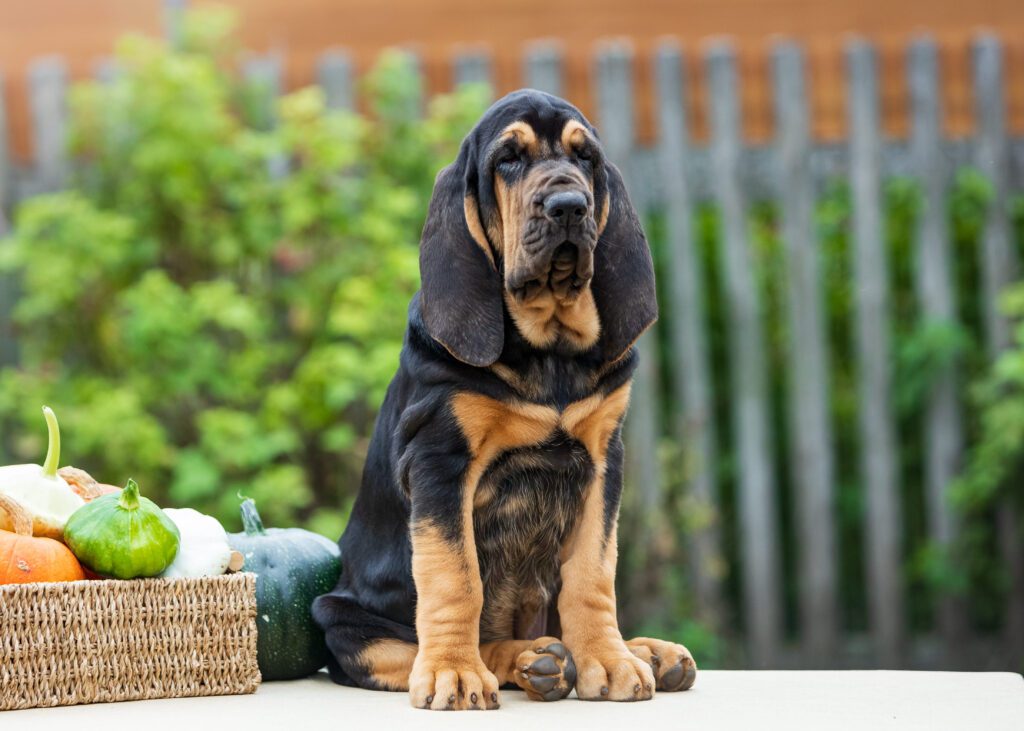

Bloodhounds are gentle, devoted, and famously nose driven. They track scents with tireless focus, then melt into cuddly companions at home. The breed is affectionate with families, steady with children under supervision, and often calm indoors after proper exercise. That balance of working drive and warmth makes a Bloodhound a rewarding match for experienced dog people who enjoy long scent walks and patient training.
Research matters before you adopt because Bloodhounds have unique needs. Their powerful sense of smell pushes them to follow interesting trails, which requires secure management and reliable training. Their long ears and skin folds need regular cleaning, and their deep voices can be loud. Adoption is a smart choice because you help a dog in need, you support local animal care systems, and you often gain insights from foster notes that describe temperament, energy level, and home habits.
Nebraska offers wide spaces, community trails, and a welcoming dog culture that suits this breed when you plan well. Hot summers call for shaded scent walks and careful hydration, while cold winters require shorter outings, warm layers, and paw protection on ice or salt. Rural areas give room to roam on leash or in a fenced yard, and city living can work if you commit to daily sniff-focused exercise and mental enrichment.
You can skip searching shelters and rescues one by one by browsing listings on Dog Academy. You can filter by location and preferences, then use our educational guides and adoption checklists to prepare for each step. You can also find Bloodhounds through local animal shelters, regional rescues, and breed-specific rescue groups that work across the Midwest.
The process usually starts with browsing profiles and reading details about age, temperament, medical history, and home needs. When you find a possible match, you submit an application that asks about your schedule, experience, yard or fencing, landlord approval if you rent, current pets, and your plan for exercise and training. Some groups ask for personal references or a veterinary reference to confirm that you can provide consistent care.
After an initial review, coordinators schedule a meet-and-greet to see how the dog interacts with you and any resident pets. Many groups offer virtual or in-person home checks to confirm safety, such as secure doors, a fenced yard if required, and proper containment for travel. Approval timelines vary from a few days to about 2 weeks depending on your response time, the dog’s needs, and volunteer availability.
Once approved, you sign an adoption agreement, pay the fee, and schedule pickup. Some groups place dogs through foster-to-adopt so you can confirm fit before finalizing. If your match is outside your area, rescues sometimes arrange transport to move dogs between locations, which may involve volunteer drivers or licensed carriers and a health certificate with a coordinated pickup point. Bring a well-fitted harness, a sturdy leash, and ID tags so your Bloodhound goes home safe and secure.

|
How Much Does It Cost to Adopt a Bloodhound in Nebraska?Most adopters in Nebraska can expect fees from $200 to $450 for an adult Bloodhound through shelters and regional rescues. Puppies and young dogs often cost from $300 to $600 because they typically need more vaccines and early care. Costs vary with age, training, medical history, and local demand, and they reflect services already provided by the organization. Adoption fees commonly include spaying or neutering, vaccinations, microchipping, and veterinary exams. Some dogs also receive heartworm testing, parasite prevention, and dental care, which can raise the fee but reduce your first-year expenses. A well-documented medical file and basic training can also affect price. |
How Should I Train a Bloodhound?Bloodhounds are intelligent and eager to explore, yet they can be independent thinkers. They learn best when you use positive reinforcement, short sessions, and scent-based rewards like sniff breaks. Focus early on loose-leash walking, impulse control, and a dependable recall that you build with a long line in safe areas. Keep training upbeat and clear, and manage the environment with gates, tethers, and a secure yard to prevent scent-driven wanderings. Daily mental work is just as important as physical exercise. Hide-and-seek scent games, simple tracking lines, enrichment feeders, and calm settle training help a Bloodhound relax at home. Consistency matters, and many families benefit from structured lessons through Dog Academy’s online training courses, which cover foundation skills, leash manners, recall games, and nose work that channels natural instincts. |

|
The ideal adopter enjoys long, sniff-friendly walks, keeps a secure environment, and feels comfortable with routine ear cleaning and a bit of drool. A Bloodhound thrives with people who provide steady structure, gentle training, and time for daily enrichment. Families with yards or access to safe trails often find the breed especially rewarding.
Prepare before you adopt by gathering supplies, planning veterinary care, and mapping a training routine. Take your time, ask thoughtful questions, and choose a dog whose energy and habits match your home. When you adopt a Bloodhound in Nebraska with a well-researched plan, you set the stage for a happy, lasting partnership.
Introducing a new puppy to your current dog is often an exciting process, and many dogs will become fast friends and eas...
Read More
Rescue dogs can make great companions and can transform your home into something better. These dogs make great pets and ...
Read More
You should never rush to pet a dog. Even dog owners make the mistake of approaching unfamiliar dogs and petting them rig...
Read More
Puppy mill dogs are survivors who have endured extreme hardships in their lives. They have grown up in horrendous, unsan...
Read More
With their wagging tails and comforting presence, adopting a dog can add a unique touch to your life. It’s a heart...
Read More
Older dogs may have a few gray hairs around the edges, but that doesn’t mean they can’t make wonderful companions! T...
Read More