
































































































































Introducing a new puppy to your current dog is often an exciting process, and many dogs will become fast friends and eas...
Read MoreAdopt Me
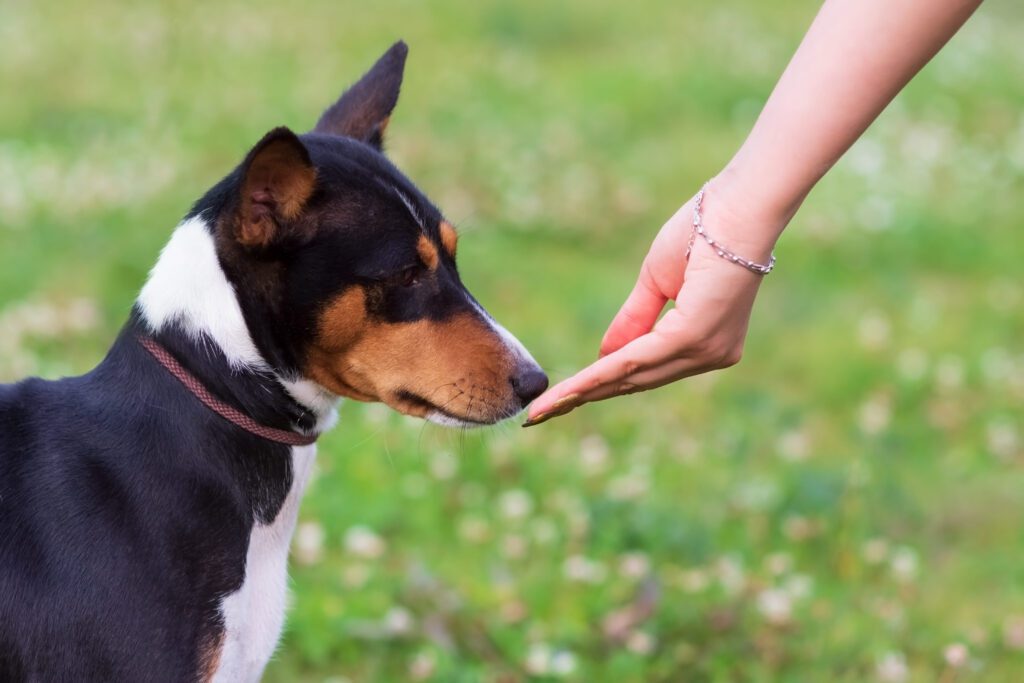
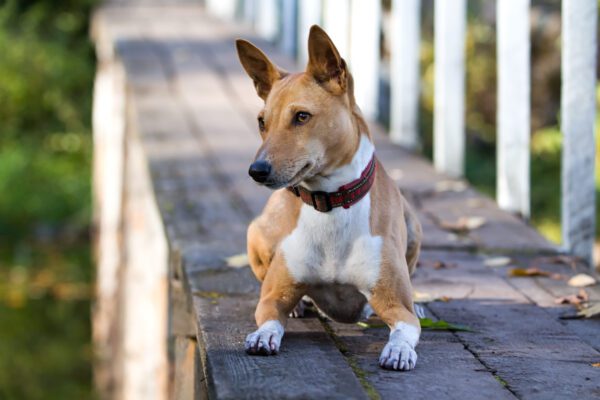
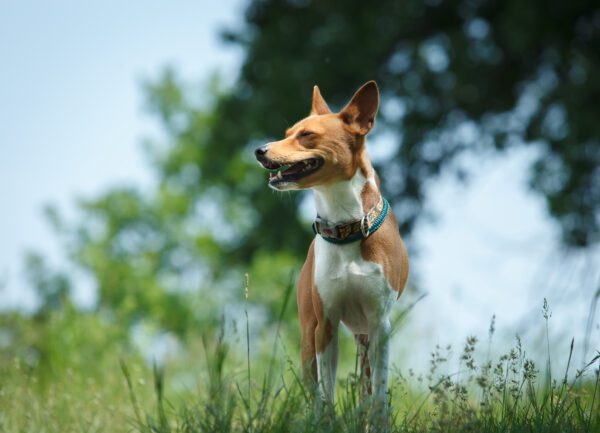
The Basenji is alert, athletic, and clean. This breed is often called barkless, yet a Basenji communicates with expressive yodels and chirps. A well-matched Basenji brings playful energy, keen intelligence, and a tidy, low-shedding coat that suits many households.
Thoughtful research is essential before you adopt. A Basenji is independent and curious, which means this breed thrives when an owner provides structure, daily exercise, and mental enrichment. Adoption gives a deserving dog a second chance and supports ethical, responsible placement. Choosing to adopt also helps reduce demand for commercial breeding and keeps more dogs out of overcrowded facilities.
New Hampshire offers wooded trails, quiet neighborhoods, and four true seasons. Winter can be long and cold, and a Basenji’s short coat needs help with warmth. A fitted winter jacket and shorter outdoor sessions keep a Basenji comfortable. Rural areas and mountain regions often have abundant wildlife, which can trigger a Basenji’s prey drive, so secure fencing and leashed outings are important. In towns and small cities, a Basenji can do well in an apartment when daily walks, indoor play, and puzzle feeders meet exercise needs.
You can skip the hassle of searching shelters and rescues one by one by using Dog Academy to browse current adoption listings. Dog Academy also provides step-by-step educational guides and practical adoption checklists so you know what to expect at every stage. You can also look at local animal shelters, regional rescues, and breed-specific rescue groups that work across New England.
Start by browsing listings and reading each Basenji’s profile. A good profile explains age, size, health history, temperament, and daily needs. Contact the organization to ask clear questions about energy level, house training, crate skills, and any behavior notes. When you are ready, submit an application that usually asks for personal references, proof of residence, landlord approval if you rent, and a description of your routine and home setup. Many applications are processed in 1 to 3 weeks, though timelines vary with demand and staff capacity.
Most organizations schedule a meet-and-greet to confirm a good fit. Some groups also conduct a virtual or in-person home check to verify safety, including secure fencing, safe storage of hazards, and a plan for exercise. If a suitable Basenji is not nearby, transport is sometimes arranged by rescues to move dogs between locations. Transport can involve approved carriers or volunteer drivers, and it follows a planned route and schedule to keep the dog safe.
After approval, you sign an adoption contract, pay the fee, and take your Basenji home with written medical records and care instructions. Some groups offer a short trial period with support, which helps you confirm that the match is right and that the transition goes smoothly.
|
How Much Does It Cost to Adopt a Basenji in New Hampshire?Most adopters in New Hampshire pay $350 to $650 to adopt a Basenji. This estimate is slightly higher than average because Basenjis are less common in the region and veterinary costs in New England can be higher. Puppies and young adults often fall near the top of the range, while seniors and special-needs dogs are usually lower. Fees typically include spaying or neutering, vaccinations, microchipping, and veterinary exams. Total cost can also reflect age, prior training, recent medical care, and local demand. If transport is arranged to bring a Basenji from another location, an added transport fee is sometimes included to cover safe travel and coordination. |
How Should I Train a Basenji?A Basenji is bright, observant, and quick to learn when training is clear and rewarding. This breed can also be independent, which means repetition without purpose can cause a Basenji to disengage. Keep sessions short and upbeat. Use high-value treats, toys, and play to reward the exact behaviors you want. Focus on name recognition, attention, loose-leash walking, and calm settling. Build impulse control with simple games like wait at doors and hand-targeting. Remember that barkless does not mean silent, and excited vocalizing is normal communication. Reliable off-leash recall is challenging due to a strong prey drive, so plan for long-line practice in safe areas and commit to leashed walks in busy spaces. Crate training, house manners, and enrichment are essential. Rotate puzzle feeders, scent games, and indoor training circuits to stay active during cold New Hampshire days. For step-by-step guidance from home, try Dog Academy’s online training courses, which break complex skills into easy, positive lessons that fit busy schedules. |

|
The ideal Basenji adopter enjoys daily activity, clear routines, and patient, reward-based training. A secure yard or a commitment to leashed exercise is important. Warm layers for winter, sturdy chew toys, and a plan for mental enrichment set your Basenji up for success. If you have children or other pets, thoughtful introductions and slow integrations help everyone feel safe.
Preparation takes time, and it is worth every step. Learn about the breed, set up your home, and move at a pace that respects the dog’s comfort. When you feel ready, explore current opportunities to adopt a Basenji in New Hampshire and choose the match that fits your life for years to come.

Introducing a new puppy to your current dog is often an exciting process, and many dogs will become fast friends and eas...
Read More
Rescue dogs can make great companions and can transform your home into something better. These dogs make great pets and ...
Read More
You should never rush to pet a dog. Even dog owners make the mistake of approaching unfamiliar dogs and petting them rig...
Read More
Puppy mill dogs are survivors who have endured extreme hardships in their lives. They have grown up in horrendous, unsan...
Read More
With their wagging tails and comforting presence, adopting a dog can add a unique touch to your life. It’s a heart...
Read More
Older dogs may have a few gray hairs around the edges, but that doesn’t mean they can’t make wonderful companions! T...
Read More