

























































































































































































Introducing a new puppy to your current dog is often an exciting process, and many dogs will become fast friends and eas...
Read MoreAdopt Me

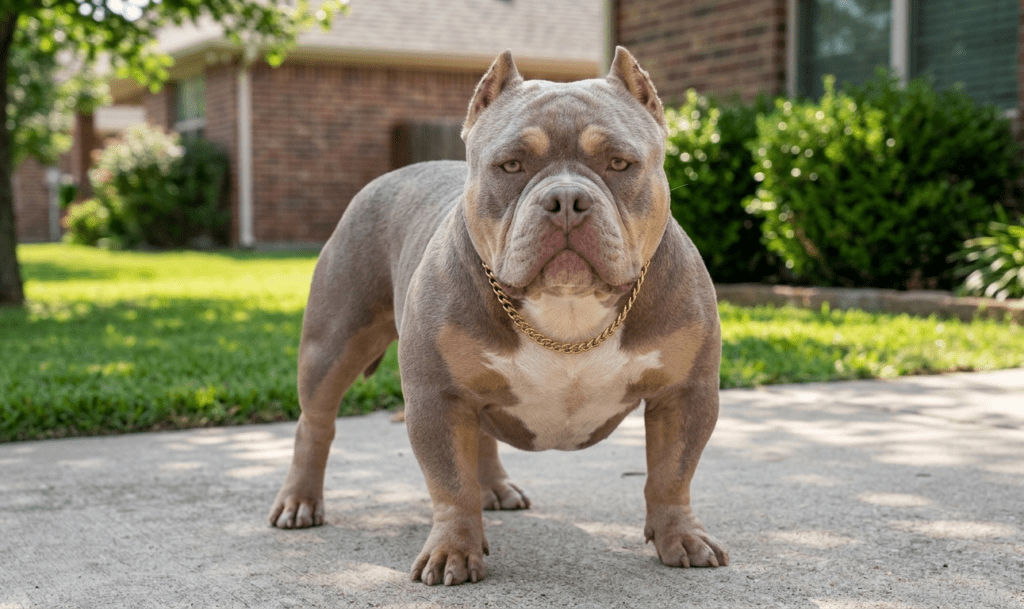


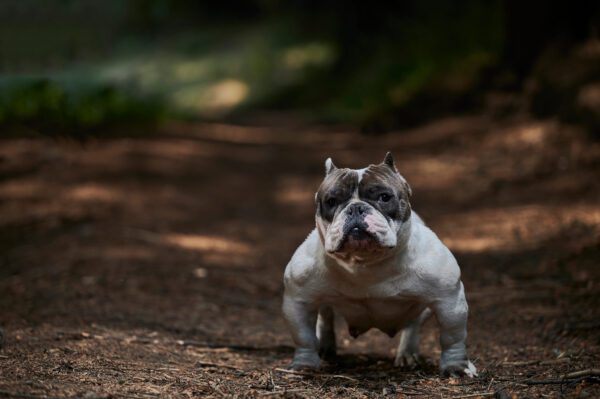
The Exotic Bully attracts many New Hampshire adopters with a compact frame, a gentle nature, and a strong desire to be close to people. Most dogs of this type enjoy short play sessions, relaxed couch time, and steady routines that include mental enrichment. Careful socialization and patient guidance help the breed shine as a calm, affectionate companion for experienced and first-time owners who are ready to learn.
Thoughtful research matters before you adopt. Some Exotic Bullies can be sensitive to heat due to shorter muzzles and broader builds, and many have skin or joint needs that require attentive care. New Hampshire winters bring cold, snow, and ice, so your dog will need a warm coat, paw protection, and short outdoor sessions. Summers can feel humid, so you should schedule walks during cooler hours and provide shade and water. City living in Manchester or Concord can suit this breed if you commit to daily walks and training, and rural settings work well when you use leashes and secure fencing.
Adoption is a smart path because you give a dog a second chance and you receive transparency about temperament, size, and basic manners. Many adoptable Exotic Bullies already have health checks and behavior evaluations, which reduces guesswork. New Hampshire offers a balanced lifestyle for this breed when you combine moderate exercise, climate-aware routines, and steady companionship.
You can skip separate searches of rescues and shelters by browsing Dog Academy, which brings adoptable dogs into one place and includes helpful guides and adoption checklists. You can also look at local animal shelters, regional rescues, and breed-specific rescue groups to widen your options. Read each profile carefully so you understand age, energy level, health history, and any training that the dog already has.
The process usually starts with browsing listings and asking questions. When you find a good match, you submit an application that describes your household, schedule, experience, and plans for training and veterinary care. Many groups request personal references, landlord permission if you rent, and a veterinary reference if you have current or past pets. Clear, complete answers help reviewers place the right dog with the right family.
After an application review, you schedule a meet-and-greet. Meetings may happen at a shelter, in a foster home, or at a neutral location, and many groups ask for introductions with resident dogs and children. Home checks often take place in person or by video to confirm safe containment, a plan for exercise, and a quiet space for decompression. Once approved, you sign an adoption contract, pay the fee, and set a pick-up date.
Timelines vary by group and by dog. Straightforward adoptions often finalize within 3 to 14 days, while high-demand puppies may take longer due to multiple applicants. Some rescues arrange transport to move dogs between locations when a suitable adopter lives outside the area. Transport is often arranged by rescues to move dogs between states using volunteer drivers or licensed carriers, and the group typically provides health certificates and scheduling details.
|
How Much Does It Cost to Adopt a Exotic Bully in New Hampshire?In New Hampshire, adoption fees for an Exotic Bully usually range from $250 to $500 for adults and from $350 to $650 for puppies. Fees vary based on age, training, recent medical care, and local demand for the breed. Dogs that receive more extensive veterinary work or professional training may sit at the top of that range. Most fees help cover spaying or neutering, vaccinations, microchipping, and veterinary exams. Many groups also include heartworm testing, parasite treatment, and behavior evaluations. You should budget extra for a supportive harness, a well-fitted crate, a warm winter coat, and early training to set your new dog up for success. |
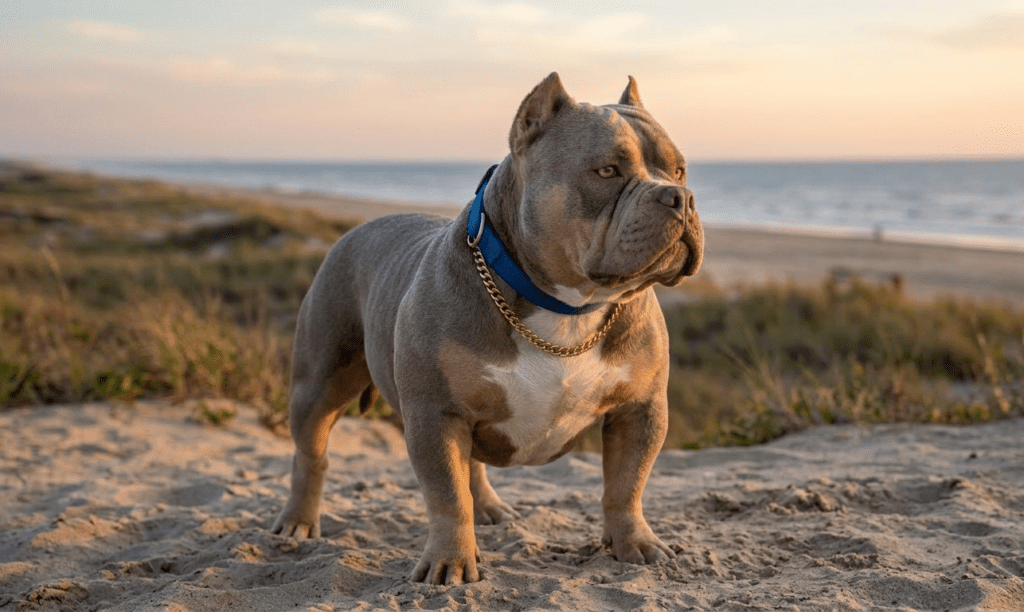
How Should I Train a Exotic Bully?The Exotic Bully is people focused and food motivated, which makes training smooth when you use short, upbeat sessions. Positive reinforcement with treats, toys, and praise builds trust and keeps enthusiasm high. Focus on impulse control, name recognition, recall, loose-leash walking, and calm greetings. Keep sessions brief to protect joints and to avoid frustration, and practice in quiet spaces before you add distractions. Common challenges include pulling on leash, jumping, and selective listening when excited. A sturdy front-clip harness improves control, and frequent reward-based check-ins encourage attention. Early socialization with stable dogs, careful introductions, and muzzle conditioning create safe habits. Because some dogs can overheat during exertion, schedule training during cooler hours, offer water breaks, and choose low-impact games like scent work and scatter feeding. You can follow a clear plan with Dog Academy’s online training courses, which provide step-by-step lessons, real-life troubleshooting, and engaging enrichment ideas suited to this breed’s body type and temperament. |
|
The ideal adopter enjoys a close companion, provides daily walks and enrichment, and commits to gentle, consistent training. A climate-aware routine, a secure home, and a budget for preventive care will keep your dog comfortable through New Hampshire winters and summers.
Take your time, ask detailed questions, and prepare your home before you bring your dog home. Start by browsing Dog Academy to compare options and to use helpful checklists, then build great habits from day one with structured routines and patient, positive training.

Introducing a new puppy to your current dog is often an exciting process, and many dogs will become fast friends and eas...
Read More
Rescue dogs can make great companions and can transform your home into something better. These dogs make great pets and ...
Read More
You should never rush to pet a dog. Even dog owners make the mistake of approaching unfamiliar dogs and petting them rig...
Read More
Puppy mill dogs are survivors who have endured extreme hardships in their lives. They have grown up in horrendous, unsan...
Read More
With their wagging tails and comforting presence, adopting a dog can add a unique touch to your life. It’s a heart...
Read More
Older dogs may have a few gray hairs around the edges, but that doesn’t mean they can’t make wonderful companions! T...
Read More