



























































































































































































Introducing a new puppy to your current dog is often an exciting process, and many dogs will become fast friends and eas...
Read MoreAdopt Me


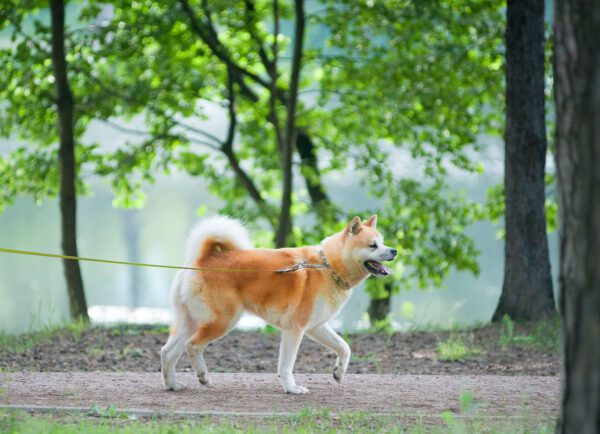
Akitas are loyal, dignified, and deeply devoted to their families. The breed is intelligent and confident, and it forms strong bonds at home while staying reserved with strangers. Careful research matters because an Akita’s power, independence, and guarding instincts require thoughtful handling and consistent training. Adoption gives a deserving dog a second chance while also matching you with a companion whose temperament has been evaluated.
Arizona offers wide open spaces, mountain trails, and year-round sunshine, yet the desert heat creates real challenges for a double-coated breed. Summer highs demand early walks, shade, and steady hydration. Northern high country brings cooler temperatures, while low desert cities require strict heat management and paw protection. Apartment living can work if you commit to daily mental enrichment, reliable exercise, and calm structure.
Choosing adoption over buying supports animal welfare and responsible ownership. Many Akitas in Arizona need new homes due to mismatched expectations, not because of behavior problems that cannot be addressed. With patient training, structure, and clear routines, most Akitas thrive and become steady, affectionate family members.
You can skip the hassle of checking rescues and shelters one by one by browsing Dog Academy. The listings consolidate adoptable dogs from local animal shelters, regional rescues, and breed-specific rescue groups, which saves time and helps you compare options. Dog Academy also offers guides and adoption checklists so you can prepare your home, your schedule, and your budget with confidence.
Start by reading each dog’s profile in full. Look for details about energy level, dog-to-dog compatibility, cat tolerance, and experience around children. An Akita often prefers to be the only pet, and secure fencing is usually required. If a dog is listed outside your city, ask whether the group supports transport. Transport is often arranged by rescues to move dogs between locations using vetted drivers and approved rest stops, and it usually requires a current health certificate.
Most groups use a clear application process. You submit an online form with your contact information, landlord approval if you rent, and details about your household, schedule, and training plan. References are common, and some groups request photos or a brief video of your yard and fence. A volunteer typically follows up by phone to confirm fit and to answer questions about care, exercise, and heat safety in Arizona.
Next comes a meet-and-greet. Many rescues schedule this in a neutral location to assess chemistry and handling. If you have resident pets, introductions happen slowly with parallel walking and careful distance. A home check may be virtual or in person to confirm safety, fencing, and shade. Approval timelines vary by group, but most adoptions move from application to decision within 1 to 3 weeks. After approval, you sign an adoption agreement, pay the fee, and receive records, care notes, and next-step training recommendations.
|
How Much Does It Cost to Adopt a Akita in Arizona?In Arizona, most adopters pay $300 to $500 for an adult Akita through shelters or breed-focused rescues. Puppies often range from $450 to $700, while seniors are commonly $150 to $300. Fees vary based on age, demand for the breed, prior training, and any medical care already provided. Groups also adjust pricing when dogs need extended boarding or behavior support before placement. Adoption fees usually include spaying or neutering, vaccinations, microchipping, and veterinary exams. Some groups add heartworm testing, deworming, initial flea and tick prevention, and a starter supply of food or medication. If transport is arranged, the rescue may collect a modest additional fee to cover fuel, crate costs, or airline-approved travel supplies. |
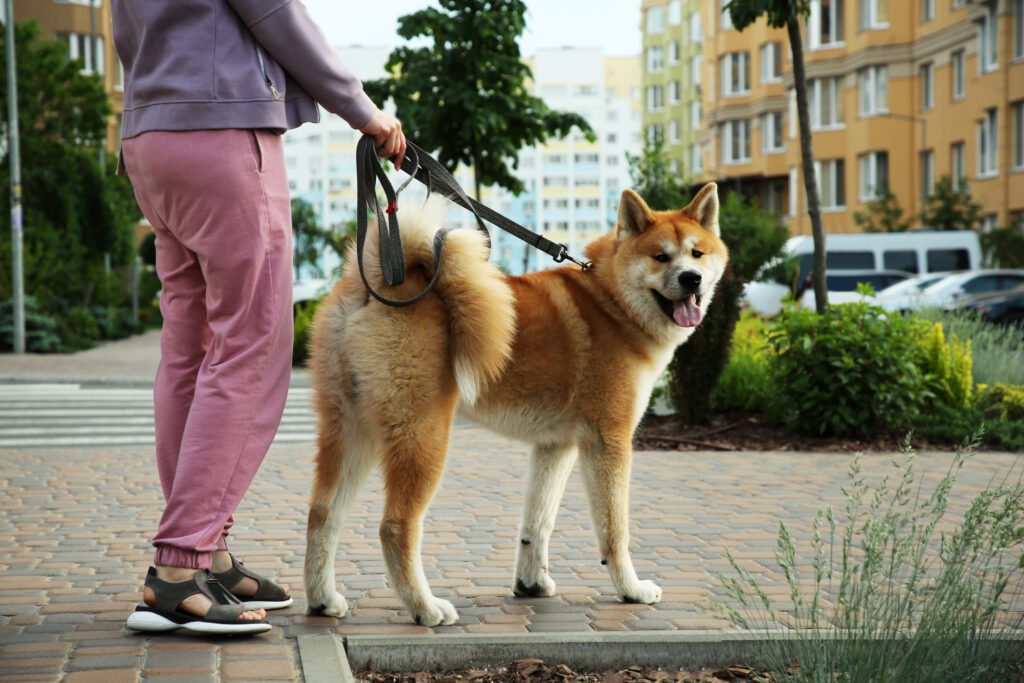
How Should I Train a Akita?Akitas are smart problem solvers, yet they can be independent and strong willed. Training should use clear structure, short sessions, and generous rewards. Positive reinforcement works best, especially with calm praise, high-value treats, and well-timed releases. Focus on leash skills, reliable settle cues, impulse control, and polite greetings with visitors. A long line is helpful for safety because recall can be inconsistent with a breed that has a strong prey drive. Early socialization builds confidence without overwhelming the dog. Choose controlled exposures to people and environments rather than crowded dog parks. Teach comfortable handling, muzzle acclimation for veterinary care, and cooperative grooming because Akitas shed heavily during seasonal coat blows. If you want expert guidance, explore Dog Academy’s online training courses for obedience foundations, reactivity support, loose-leash walking, and enrichment plans tailored to busy Arizona lifestyles. |
|
The ideal Akita adopter is patient, consistent, and ready to lead with calm confidence. A secure yard, a realistic exercise plan, and a commitment to daily training help this breed shine. Families who respect boundaries and supervise interactions do well, and experienced owners will appreciate the Akita’s steady loyalty at home.
Take your time, ask questions, and prepare before you bring your dog home. Study breed needs, plan for Arizona’s heat, and organize supplies in advance. When you are ready, browse Dog Academy to compare profiles, follow the adoption steps, and find the Akita that fits your life for the long term.

Introducing a new puppy to your current dog is often an exciting process, and many dogs will become fast friends and eas...
Read More
Rescue dogs can make great companions and can transform your home into something better. These dogs make great pets and ...
Read More
You should never rush to pet a dog. Even dog owners make the mistake of approaching unfamiliar dogs and petting them rig...
Read More
Puppy mill dogs are survivors who have endured extreme hardships in their lives. They have grown up in horrendous, unsan...
Read More
With their wagging tails and comforting presence, adopting a dog can add a unique touch to your life. It’s a heart...
Read More
Older dogs may have a few gray hairs around the edges, but that doesn’t mean they can’t make wonderful companions! T...
Read More