



























































































































































































Introducing a new puppy to your current dog is often an exciting process, and many dogs will become fast friends and eas...
Read MoreAdopt Me



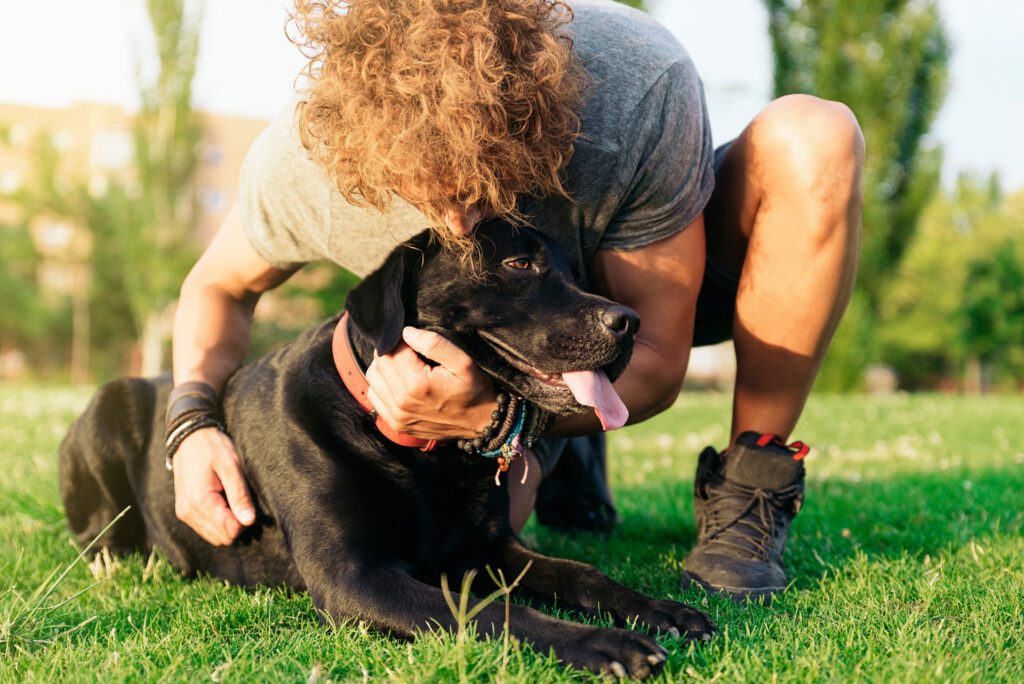
Black Labs are friendly, athletic, and eager to please. They bond closely with families, they thrive with active owners, and they bring steady patience to homes with children. Their intelligence makes training rewarding, and their goofy streak keeps daily life fun. They shed year-round and they need consistent exercise, so planning and routine matter.
Research before you adopt so you match energy levels, grooming needs, and training time with your daily schedule. Adoption gives a deserving dog a new start, and it often provides better value because veterinary care and essential services come included. Adopting also supports ethical placement practices and reduces demand for irresponsible breeding.
Arizona offers sunshine, trails, and open spaces that suit a high-energy retriever. The climate can be challenging because summer heat rises quickly, so plan early morning or evening exercise, carry water on every outing, and protect paws on hot surfaces. The state’s desert terrain rewards recall training and leash manners, and regular swims or shaded play help a Black Lab stay cool and comfortable.
You can avoid searching local shelters and rescues one by one by starting with Dog Academy, where you can browse adoptable Black Labs in one place and use helpful guides and checklists to stay organized. You can also find dogs through local animal shelters, regional rescues, breed-specific rescue groups, and foster networks that host weekend adoption events.
Begin by browsing listings, reading biographies, and noting each dog’s age, activity level, size, and any special notes about behavior or medical needs. A strong match matters for a high-energy breed, so look for clear signs of sociability, toy drive, and comfort around other pets if your household includes animals.
When you find a good fit, submit an application that explains your routine, housing, fencing, and training plans. You may be asked for landlord approval if you rent and for references who can confirm your readiness. Most groups schedule a meet-and-greet so you can see how the dog interacts with all household members and any resident dogs. Many organizations also complete a home check, which can be virtual or in-person, to confirm safe containment, shade access, and a plan for heat management. Approval timelines usually range from 3 to 10 days, though some placements move faster when a dog is already cleared for adoption.
If your best match lives outside your city, ask about transport. Transport is often arranged by rescues to move dogs between locations using volunteer drivers or professional partners, and groups typically coordinate health certificates and travel timing so the dog arrives safely. You can also arrange to meet at a central location if that better fits your schedule.

|
How Much Does It Cost to Adopt a Black Lab in Arizona?In Arizona, expect adoption fees for most adult Black Labs to fall between $175 and $400, with puppies often ranging from $300 to $600 due to higher demand and recent veterinary care. Seniors sometimes cost less, often $100 to $250, when organizations encourage placement with reduced fees. Fees generally include spaying or neutering, vaccinations, microchipping, and veterinary exams. Pricing varies with age, training, and medical history. Puppies cost more because they need booster series and frequent checkups. Adults with completed training, such as basic obedience or crate conditioning, may be priced slightly higher because they transition more easily. Dogs recovering from medical procedures can cost more when organizations invest in surgery or specialized care. Demand for Labradors in Arizona also influences fees, and urban areas sometimes price differently than rural areas based on intake volume and veterinary costs. |
How Should I Train a Black Lab?Black Labs are smart, food-motivated, and eager to work. Positive reinforcement builds reliable behaviors quickly, especially when you reward with small treats, toys, and praise. Focus first on loose-leash walking, recall, settle on a mat, and impulse control around doors and food bowls. Keep sessions short and upbeat, and practice in quiet spaces before adding distractions. Common challenges include jumping to greet, pulling on leash, mouthing during play, and chewing when bored. Daily structure solves most of these issues. Aim for 60 to 90 minutes of total exercise split into brisk walks, fetch, and short training games. Add mental enrichment with food puzzles, scent games, and safe chew options. Crate training supports rest and management, and a consistent bedtime routine improves calm behavior at home. For step-by-step guidance from first day home through advanced skills, explore Dog Academy’s online training courses. You can follow clear lesson plans, troubleshoot common issues, and build reliable obedience that suits busy Arizona lifestyles. |
|
The ideal Arizona adopter enjoys daily activity, values training time, and has a plan for hot weather. A Black Lab fits best with owners who provide consistent exercise, clear rules, and enrichment that keeps a quick mind engaged. Homes with secure fencing, shade, and easy access to early morning or evening walks see the best results.
Prepare your home, budget for the adoption fee and initial supplies, and set aside time for training during the first 2 to 4 weeks. Move at a steady pace, ask questions, and choose the dog whose energy and temperament truly match your routine. When you are ready to adopt a Black Lab in Arizona, start with Dog Academy to find listings and resources that help you welcome the right companion with confidence.

Introducing a new puppy to your current dog is often an exciting process, and many dogs will become fast friends and eas...
Read More
Rescue dogs can make great companions and can transform your home into something better. These dogs make great pets and ...
Read More
You should never rush to pet a dog. Even dog owners make the mistake of approaching unfamiliar dogs and petting them rig...
Read More
Puppy mill dogs are survivors who have endured extreme hardships in their lives. They have grown up in horrendous, unsan...
Read More
With their wagging tails and comforting presence, adopting a dog can add a unique touch to your life. It’s a heart...
Read More
Older dogs may have a few gray hairs around the edges, but that doesn’t mean they can’t make wonderful companions! T...
Read More