


























































































































































































Introducing a new puppy to your current dog is often an exciting process, and many dogs will become fast friends and eas...
Read MoreAdopt Me

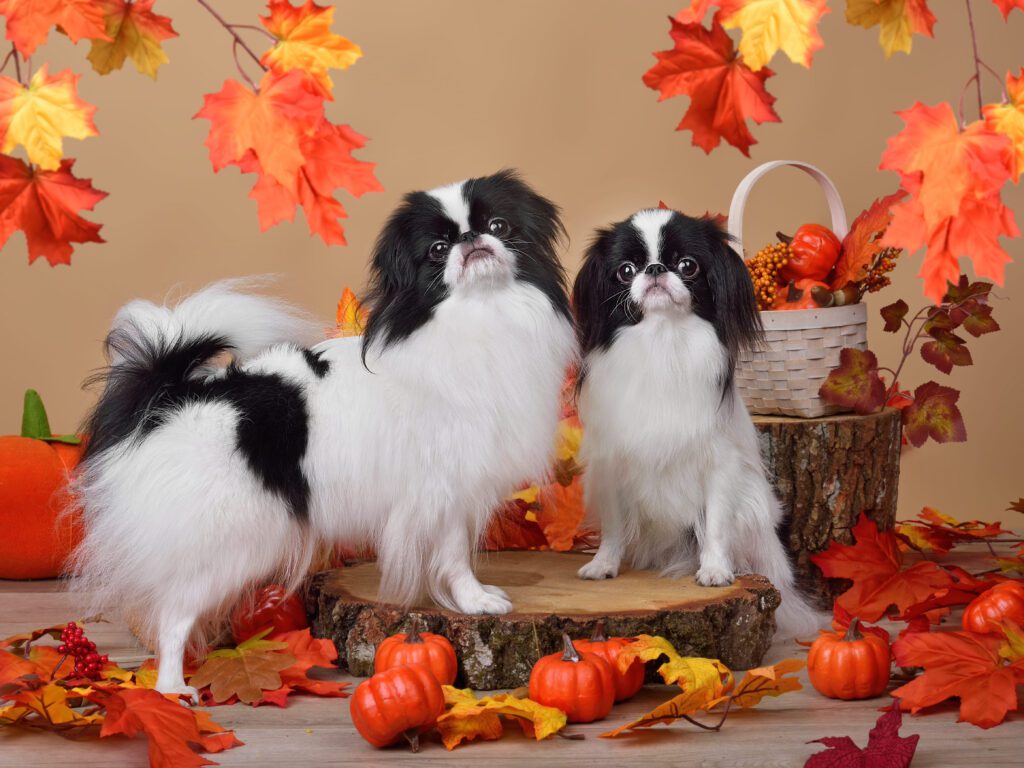

The Japanese Chin is an elegant toy companion with a bright mind, a gentle spirit, and a charming sense of humor. This breed forms close bonds, enjoys quiet indoor time, and loves short play sessions. A well-bred Chin moves lightly and often shows a cat-like grace. Before you adopt, learn the breed’s needs so you can provide a safe, calm, and consistent home.
Adoption gives a dog a second chance while offering you a companion who already has essential veterinary care. You also gain support from people who know the dog’s history. Buying can invite unpredictable expenses and unknown backgrounds. Adoption helps reduce overpopulation, and it makes room for the next dog in need.
Arizona’s desert climate brings special considerations for a Japanese Chin. Heat rises quickly, and this brachycephalic breed can overheat. Plan indoor living with strong air conditioning. Schedule walks during cool morning or evening hours. Dry air and dust can irritate eyes, so regular eye cleaning is wise. Cactus, sharp rocks, and predators make unsupervised outdoor time risky. The breed does well in apartments or quiet homes across Arizona as long as you manage heat and keep exercise gentle.
You can avoid searching shelters and rescues one by one by using the listings on Dog Academy. You can browse available Japanese Chin in Arizona, learn what each dog needs, and inquire in a few clicks. Dog Academy also offers educational guides and a step-by-step adoption checklist so you can prepare your home and your schedule with confidence.
Start by checking local animal shelters, regional rescues, and breed-specific rescue groups. Many adoptable dogs also live in foster homes, which helps you learn about temperament and daily routines. Read each profile closely to confirm age, health, activity level, and any special needs that fit your lifestyle.
The process usually begins with browsing listings, then submitting an application that confirms your home setup, schedule, and experience. Most groups request references, a landlord letter if you rent, and proof that any resident pets are current on vaccinations. Next comes a meet-and-greet where you can assess chemistry and discuss care. Many groups complete a home check to ensure safety for a small dog. Approval timelines often run from a few days to 3 weeks, and timing depends on your responsiveness, the dog’s needs, and volunteer availability.
If the right dog is outside your city, ask about transport. Transport is often arranged by rescues to move dogs between locations when a good match is found. Most programs use ground transport or a flight escort. Dogs travel in a crate with a health certificate, and adopters typically pay a modest transport fee. Coordinators explain pickup points and timelines so you can plan ahead.
|
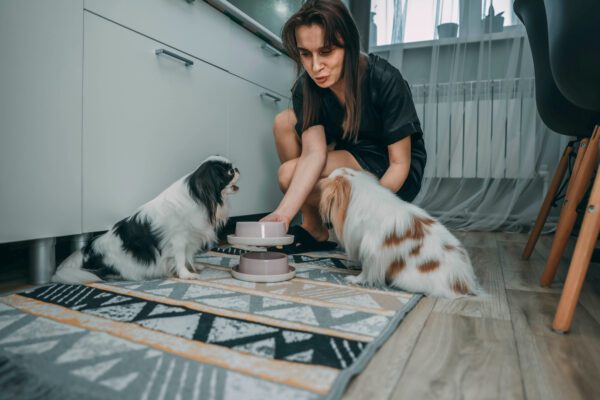
How Much Does It Cost to Adopt a Japanese Chin in Arizona?Most adopters in Arizona pay $200 to $450 to adopt a Japanese Chin. Younger dogs and highly sought-after small companions often fall near the top of that range, while seniors or dogs with special needs may be closer to the lower end. Fees reflect the care already provided, which commonly includes spaying or neutering, vaccinations, microchipping, and veterinary exams. Many toy breeds need dental evaluations, and a dental cleaning can raise costs when it is completed before adoption. Age, training, medical history, and local demand all affect the fee. A fully vetted, well-socialized adult with recent dental work and training may carry a higher fee that still represents strong value because much of the care is already complete. |
How Should I Train a Japanese Chin?The Japanese Chin is intelligent, sensitive, and eager to connect, which makes training rewarding when you keep sessions short and upbeat. Use positive reinforcement with tiny treats and warm praise. This breed learns house routines quickly when you follow a steady schedule for meals, potty breaks, and sleep. Crate training supports reliable house training and gives a small dog a safe place to relax. Common challenges include house training lapses, selective listening, and timid behavior around new people or noisy environments. Prevent setbacks by supervising closely, rewarding outdoor potty success, and avoiding long stretches without breaks. Socialize gently with calm visitors and quiet outings so confidence grows without overwhelm. Teach a soft, reliable recall indoors, then practice in safe, enclosed areas. Pair brushing, face wiping, and gentle handling with treats so grooming and eye care feel easy. For structured lessons you can follow at home, explore Dog Academy’s online training courses. You can build manners, confidence, and leash skills through step-by-step videos and trainer support that suit a sensitive toy breed. |
|
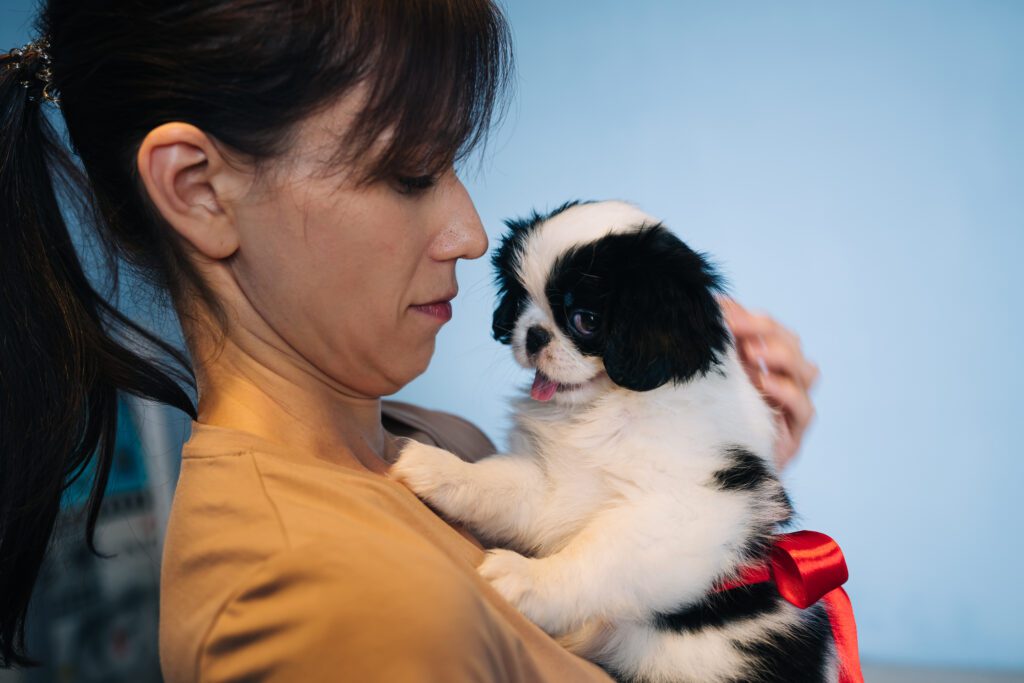
The ideal adopter provides a calm indoor home, steady routines, and air conditioning. A Japanese Chin thrives with people who are home often, enjoy gentle walks, and value quiet companionship. Families with respectful children, retirees, and remote workers all fit well when they supervise carefully and protect a small dog from heat and hazards.
Take time to prepare your space, gather supplies, and review your schedule before you apply. Research the breed, confirm a vet, and plan a gradual transition so your new companion settles in smoothly. With patience and the right match, you can adopt a Japanese Chin in Arizona and enjoy a loyal friend for years to come.

Introducing a new puppy to your current dog is often an exciting process, and many dogs will become fast friends and eas...
Read More
Rescue dogs can make great companions and can transform your home into something better. These dogs make great pets and ...
Read More
You should never rush to pet a dog. Even dog owners make the mistake of approaching unfamiliar dogs and petting them rig...
Read More
Puppy mill dogs are survivors who have endured extreme hardships in their lives. They have grown up in horrendous, unsan...
Read More
With their wagging tails and comforting presence, adopting a dog can add a unique touch to your life. It’s a heart...
Read More
Older dogs may have a few gray hairs around the edges, but that doesn’t mean they can’t make wonderful companions! T...
Read More