





























































































































































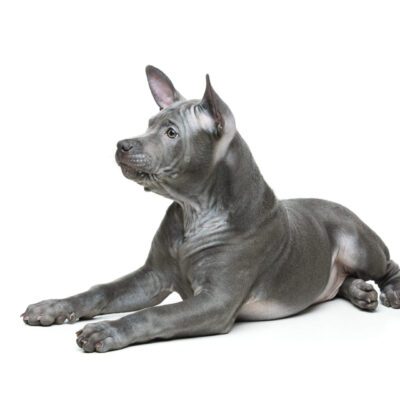













Introducing a new puppy to your current dog is often an exciting process, and many dogs will become fast friends and eas...
Read MoreAdopt Me
Habanero
Morton Grove, IL
Breed: Nova Scotia Duck-Tolling Retriever
Sex: Female
Age: 11 mos




The Nova Scotia Duck Tolling Retriever is a bright, athletic, and affectionate companion. The breed loves to retrieve, enjoys water, and thrives on daily mental work. Many families choose a Toller for the cheerful spirit, keen intelligence, and strong bond with people.
Research is essential before you adopt. The breed’s energy and drive require time and structure every day. Adoption helps a dog in need and supports responsible placement. Adopting also provides transparency about health and temperament through foster notes and behavior records, which helps you find a good match.
Arizona offers big skies, desert trails, lakes, and mountain escapes. The hot and dry climate demands careful planning for exercise, hydration, and paw safety. Early morning activity, shade breaks, and water access keep a Toller comfortable. Cooler high-elevation areas can suit longer hikes, while desert zones require short sessions and rest. With smart routines, this breed can thrive in Arizona’s outdoor lifestyle.
You can avoid searching rescues and shelters separately by using the listings on Dog Academy. You can browse available Tollers and similar retrievers in one place. You can also use Dog Academy’s educational guides and adoption checklists to prepare your home and your routine. In Arizona, adoptable Tollers may appear through local animal shelters, regional rescues, and breed-specific rescue groups. Some dogs live in foster homes, which helps gather detailed notes about behavior and daily needs.
Start by browsing current profiles and reading each dog’s description in full. Each profile should explain age, energy level, medical history, and any training progress. Submit an application that shares your experience, schedule, and housing details. Many groups request personal references, a veterinary reference, and landlord approval when relevant. Clear and complete answers speed up review.
Meet-and-greets help confirm a good fit. You may meet the dog at a shelter, a foster home, or a neutral location. Some groups arrange a home check to confirm safety, fencing, and indoor setup. Home checks can be in person or virtual, and they assess gates, trash access, and hazard risks. The full approval timeline often runs 1 to 3 weeks, depending on volunteer availability and your responsiveness.
Availability can be limited because the breed is rare. You may widen your search to nearby regions. Rescues sometimes arrange transport between locations to move an approved dog to your area. Transport can involve volunteer drivers or licensed services that coordinate multi-stop routes. Transport commonly requires a health certificate, scheduling lead time, and a modest fee to cover fuel or carrier costs.

|
How Much Does It Cost to Adopt a Nova Scotia Duck Tolling Retriever in Arizona?In Arizona, a realistic adoption fee for a Nova Scotia Duck Tolling Retriever is usually $300 to $650. The fee is higher for puppies due to demand and recent veterinary care, and the fee is lower for seniors who need a calm home. Most fees include spaying or neutering, vaccinations, microchipping, and veterinary exams. Fees can also reflect training progress, dental work, or treatment for injuries or infections completed before placement. Demand for this rare breed can nudge fees toward the top of the range. Costs also vary by age, medical history, and the group’s expenses for food, supplies, and professional care. Some groups add small charges for transport or post-adoption support materials when provided. Always confirm what the fee includes so you understand total value and any remaining care needs. |
How Should I Train a Nova Scotia Duck Tolling Retriever?The Toller is quick to learn and eager to work with people. The breed responds best to positive reinforcement that uses rewards, play, and clear timing. Short, upbeat sessions help a smart dog stay focused. Daily mental enrichment prevents boredom and reduces nuisance behaviors. Common challenges include jumping, mouthing during play, and alert barking when excited. Consistent impulse control, structured fetch, and calm settle routines build good manners. Reliable recall, loose leash walking, and polite greetings are essential skills for busy Arizona paths and parks. Heat-aware training sessions should be short with shade, water, and rest. You can build strong foundations with Dog Academy’s online training courses. Step-by-step lessons teach core cues, impulse control, crate comfort, and distraction handling. Courses support puppies, adolescents, and adult rescues, which helps you guide a new Toller from day one. |

|
The ideal adopter enjoys daily activity, patient training, and regular time outdoors. A Toller needs frequent exercise, fetching or swimming opportunities, and mental games that challenge problem solving. Families who plan their routines around heat safety and hydration set this breed up for success in Arizona.
Take time to research, prepare your home, and gather supplies before you apply. A calm setup with shade, water, and safe enrichment makes the first week smooth. Browse Dog Academy to review current listings and to use expert checklists. Move at a thoughtful pace, ask clear questions, and choose the Toller whose needs match your lifestyle. A careful process creates a lasting, happy match.

Introducing a new puppy to your current dog is often an exciting process, and many dogs will become fast friends and eas...
Read More
Rescue dogs can make great companions and can transform your home into something better. These dogs make great pets and ...
Read More
You should never rush to pet a dog. Even dog owners make the mistake of approaching unfamiliar dogs and petting them rig...
Read More
Puppy mill dogs are survivors who have endured extreme hardships in their lives. They have grown up in horrendous, unsan...
Read More
With their wagging tails and comforting presence, adopting a dog can add a unique touch to your life. It’s a heart...
Read More
Older dogs may have a few gray hairs around the edges, but that doesn’t mean they can’t make wonderful companions! T...
Read More