



























































































































































































Introducing a new puppy to your current dog is often an exciting process, and many dogs will become fast friends and eas...
Read MoreAdopt Me

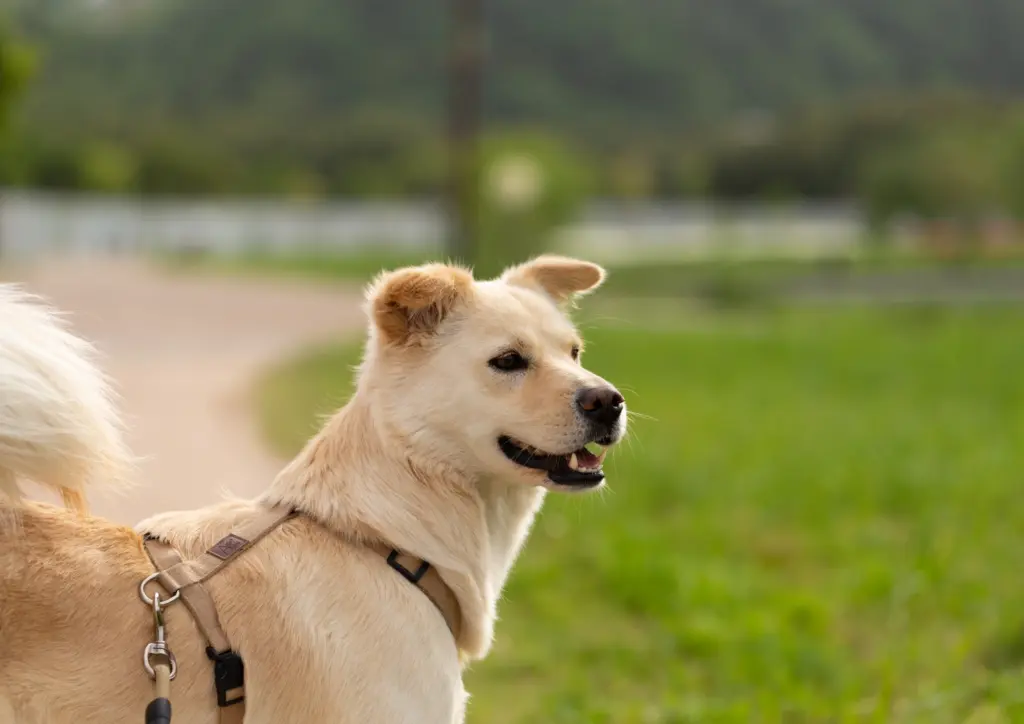
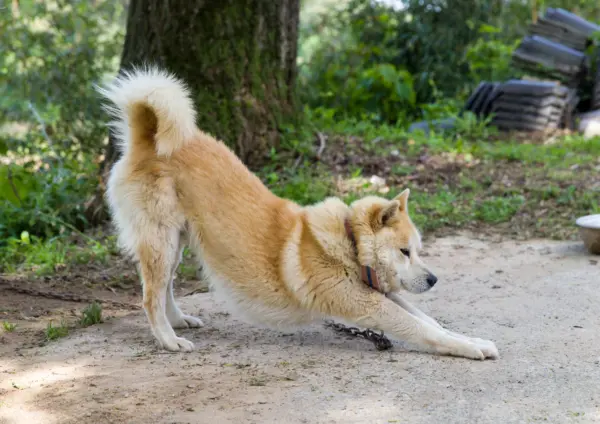
The Korean Jindo is loyal, intelligent, clean, and deeply bonded to a small circle of people. The breed is calm in the home, quick to learn, and naturally watchful. Many families value the way a Jindo stays close to loved ones while showing polite reserve with strangers. The breed’s independent mind and quiet confidence make daily life rewarding for prepared owners.
Research matters before you adopt a Korean Jindo in Arizona. This breed has a strong prey drive, a high escape risk, and a streak of independence that needs steady guidance. A Jindo thrives with daily exercise, mental challenges, and a predictable routine. The double coat sheds year-round and sheds heavily during seasonal changes. Regular brushing keeps the coat healthy and reduces loose hair in the home.
Adoption gives a dog a second chance and supports responsible animal welfare. Adopted dogs often come with medical care already completed and with notes on temperament that help you match the right dog to your lifestyle. Arizona offers wide open trails and sunny skies, which suits an athletic Jindo when you plan outings during cooler hours. Heat is the main challenge. Protect your dog with indoor air conditioning, early morning or evening walks, shade, and constant water. Watch for hot pavement, cactus spines, and desert wildlife. A secure, escape-proof yard is essential in any Arizona neighborhood.
You can avoid searching rescues and shelters separately by using Dog Academy. Dog Academy’s adoption listings let you filter for breed, location, age, and size. You can also use Dog Academy’s educational guides and adoption checklists to prepare your home, plan your budget, and organize vet care before your dog arrives.
When you look beyond a single tool, you can also check local animal shelters, regional rescues, breed-specific rescue groups, and foster-based networks. Jindos and Jindo mixes may be listed under spitz-type mixes, so read profiles closely. Ask about history, energy level, social comfort, and any notes on prey drive or fence testing.
The process usually starts with browsing listings and submitting an application. Applications ask about your household, your schedule, other pets, housing details, landlord approval when needed, and your veterinary references. After an initial review, many groups schedule a phone interview to discuss fit. Timelines vary by group size and volunteer availability, though approvals often take 3 to 10 days once you complete each step.
Next comes a meet-and-greet at a shelter, a foster home, or a neutral public space. Bring all household members so the dog meets everyone and so you see how the dog handles new people. If you have a resident dog, most groups ask for a slow and supervised introduction. Many rescues complete a home check as a virtual tour or a short visit to confirm safe spaces, secure fencing, shade outdoors, and a plan for exercise and containment. Final approval ends with an adoption contract, an adoption fee, and a pick-up date.
Some groups arrange transport to move dogs between locations when a strong match exists. Transport is organized by rescue volunteers or licensed carriers who coordinate routes, rest stops, and handoffs to reach approved adopters. In warm months, transport into Arizona may shift to cooler hours to protect dogs from heat. Rescues may request a modest transport surcharge to cover fuel, health certificates, and crate costs, and they explain these charges before you commit.
|
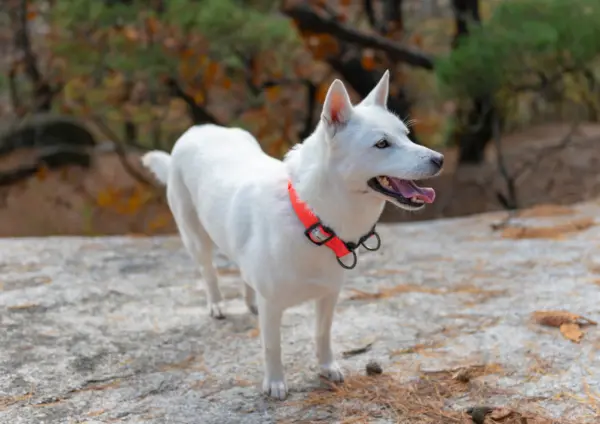
How Much Does It Cost to Adopt a Korean Jindo in Arizona?In Arizona, expect adoption fees for a Korean Jindo to land around $300 to $550 for most adults. Puppies with higher demand and recent veterinary care often range from $450 to $650. Seniors or special-needs dogs can be lower, often around $150 to $300, as groups encourage experienced adopters to step forward. Costs vary with age, training, recent medical care, and local demand for the breed. Fees typically include spaying or neutering, vaccinations, microchipping, and veterinary exams. Some groups also include a heartworm test and a basic health certificate when transport is involved. |
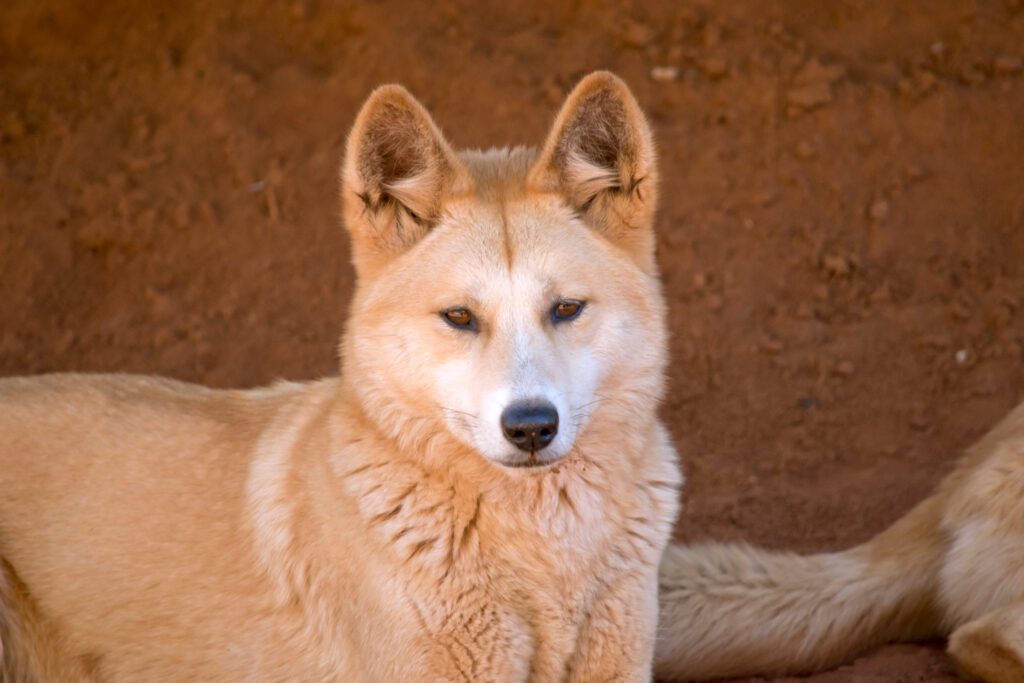
How Should I Train a Korean Jindo?A Korean Jindo is bright and fast to understand patterns, yet the breed keeps an independent streak. Training succeeds when you use positive reinforcement, short sessions, and clear goals. Reward calm choices, quiet check-ins, and reliable responses to simple cues. Avoid harsh corrections, since pressure can damage trust and increase avoidance in a sensitive dog. Focus early work on leash skills, recall management with a long line, impulse control at doors, and relaxed crate time. Many Jindos have a strong prey drive, so plan for on-leash hikes and secure fields rather than off-leash parks. Build neutrality around other dogs through distance, movement, and rewards for attention on you. Introduce body handling, muzzle conditioning for vet care, and calm greetings with visitors. For step-by-step help, use Dog Academy’s online training courses, which offer structured lessons for recall, loose-leash walking, impulse control, and confidence building for sensitive dogs. |
|
The ideal Arizona home for a Korean Jindo includes secure fencing, a calm routine, and time for daily training and mental work. An active person who enjoys early hikes, neighborhood walks, and quiet evenings at home will give this loyal dog a balanced life. A family that respects canine boundaries and follows consistent rules will help a Jindo feel safe and settled.
Preparation sets you up for success. Research the breed, gather supplies, and plan your schedule before you bring a dog home. Move at a thoughtful pace, ask clear questions, and trust your instincts about fit. When you are ready, use Dog Academy to browse listings and take the next step to adopt a Korean Jindo in Arizona with confidence.

Introducing a new puppy to your current dog is often an exciting process, and many dogs will become fast friends and eas...
Read More
Rescue dogs can make great companions and can transform your home into something better. These dogs make great pets and ...
Read More
You should never rush to pet a dog. Even dog owners make the mistake of approaching unfamiliar dogs and petting them rig...
Read More
Puppy mill dogs are survivors who have endured extreme hardships in their lives. They have grown up in horrendous, unsan...
Read More
With their wagging tails and comforting presence, adopting a dog can add a unique touch to your life. It’s a heart...
Read More
Older dogs may have a few gray hairs around the edges, but that doesn’t mean they can’t make wonderful companions! T...
Read More