



























































































































































































Introducing a new puppy to your current dog is often an exciting process, and many dogs will become fast friends and eas...
Read MoreAdopt Me



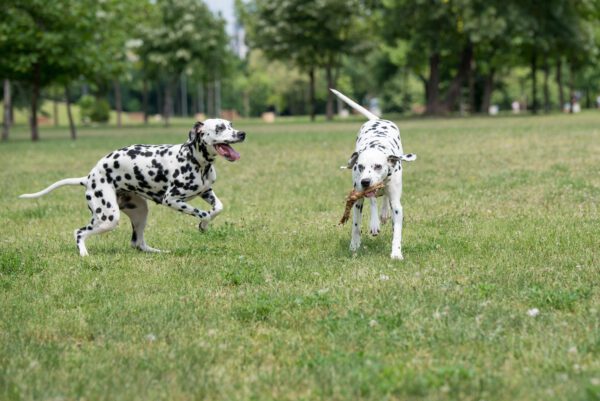
Dalmatians are athletic, clever, and loyal. The breed’s spotted coat turns heads, and the lively personality keeps families smiling. A Dalmatian thrives with daily exercise, clear structure, and steady affection. The breed suits active owners who enjoy running, hiking, or long neighborhood walks.
Thoughtful research matters before you adopt a Dalmatian in Arizona. Dalmatians shed year-round and need regular brushing. The breed can be sensitive, which means training should be kind and consistent. Health considerations include a higher risk of deafness and a unique metabolism that can lead to urinary stones. Arizona’s heat adds another layer. Dogs need shade, cool rest spots, early or late outings, and steady hydration. Desert trails can be rocky and hot, so paw care and route planning help keep outings safe.
Adoption gives a good dog a second chance and often includes essential veterinary care at a lower cost than buying. Many purebred Dalmatians enter shelters or breed-specific rescues due to mismatched energy or time needs. Arizona offers urban convenience, open desert, and mountain trails, which can suit the breed when owners plan exercise and heat management with care.
You can skip searching multiple shelters and rescues by starting with Dog Academy. The adoption listings gather options from many sources in one place. Dog Academy also provides educational guides and checklists that help you screen for fit, prepare your home, and plan the first week with your new dog.
To adopt a Dalmatian in Arizona, browse adoptable dogs through local animal shelters, regional rescues, foster-based groups, and breed-specific rescue groups. Read each profile closely. Look for details about energy level, compatibility with children or other pets, training history, medical notes, and the dog’s ideal environment. Arizona has busy metro areas and quieter communities, and both can work well when exercise, shade, and water are part of the daily plan.
When you find a good match, submit an application that explains your lifestyle, schedule, and experience with dogs. Applications often ask for identification, landlord approval when you rent, and veterinary references for current or past pets. Many groups schedule a meet-and-greet to watch how everyone interacts. A home check may follow. A home check is a virtual or in-person review of your space to confirm safety, fencing, shade, water access, and secure storage of hazards. These steps help ensure long-term success for you and the dog.
Approval timelines vary with demand and volunteer availability. Simple cases can move in 3 to 7 days. More complex cases can take 1 to 3 weeks. Some rescues arrange transport to move dogs between locations when the best adopter is not nearby. Transport is usually handled by volunteer drivers or licensed carriers, and health paperwork travels with the dog to keep everyone safe. Once approved, you sign an adoption contract, pay the fee, and schedule pickup. Bring a secure leash and collar, a crate sized for safe travel, and fresh water for the ride home.
|
How Much Does It Cost to Adopt a Dalmatian in Arizona?In Arizona, the typical adoption fee for a Dalmatian is $200 to $450. Puppies and highly in-demand dogs can be at the upper end of that range. Older dogs or dogs with ongoing medical needs can be a bit lower when a group wants to encourage adoption. Fees reflect services already provided, which often include spaying or neutering, vaccinations, microchipping, and veterinary exams. Costs vary with age, training, and medical care. Hearing tests, urinalysis, and dental cleanings can increase fees because they add real veterinary expense. Demand in a specific region can also affect pricing. A well-trained adult with recent preventive care usually falls near the middle of the range, while a puppy with high demand can reach the top. |
How Should I Train a Dalmatian?Dalmatians are bright, athletic, and eager to work. The breed learns quickly with positive reinforcement, clear cues, and short sessions. Reward calm choices with treats and praise. Build reliable leash manners, recall, and impulse control. Daily mental work reduces restlessness. Use food puzzles, scent games, and short trick sessions to keep the brain engaged. Plan for at least 60 minutes of aerobic exercise each day, split into cooler morning and evening outings in Arizona. Common challenges include pulling, jumping, and vocalizing when bored. Prevent problems by meeting exercise needs and reinforcing quiet, settled behavior. Many Dalmatians excel with structured running once growth plates close and a veterinarian clears the activity level. Deaf dogs can learn with hand signals and tactile cues. For step-by-step guidance, explore Dog Academy’s online training courses. These lessons offer clear plans for obedience, leash skills, enrichment, and manners tailored to busy households. |

|
The ideal Arizona adopter enjoys an active lifestyle, values routine, and has time for training and play. Preparation matters. Set up shade, water stations, and safe walking routes before adoption day. Take your time, ask thoughtful questions, and choose the dog whose needs match your home and schedule. With patience and planning, you can adopt a Dalmatian in Arizona and enjoy a resilient, joyful partner for years to come.

Introducing a new puppy to your current dog is often an exciting process, and many dogs will become fast friends and eas...
Read More
Rescue dogs can make great companions and can transform your home into something better. These dogs make great pets and ...
Read More
You should never rush to pet a dog. Even dog owners make the mistake of approaching unfamiliar dogs and petting them rig...
Read More
Puppy mill dogs are survivors who have endured extreme hardships in their lives. They have grown up in horrendous, unsan...
Read More
With their wagging tails and comforting presence, adopting a dog can add a unique touch to your life. It’s a heart...
Read More
Older dogs may have a few gray hairs around the edges, but that doesn’t mean they can’t make wonderful companions! T...
Read More