


























































































































































































Introducing a new puppy to your current dog is often an exciting process, and many dogs will become fast friends and eas...
Read MoreAdopt Me

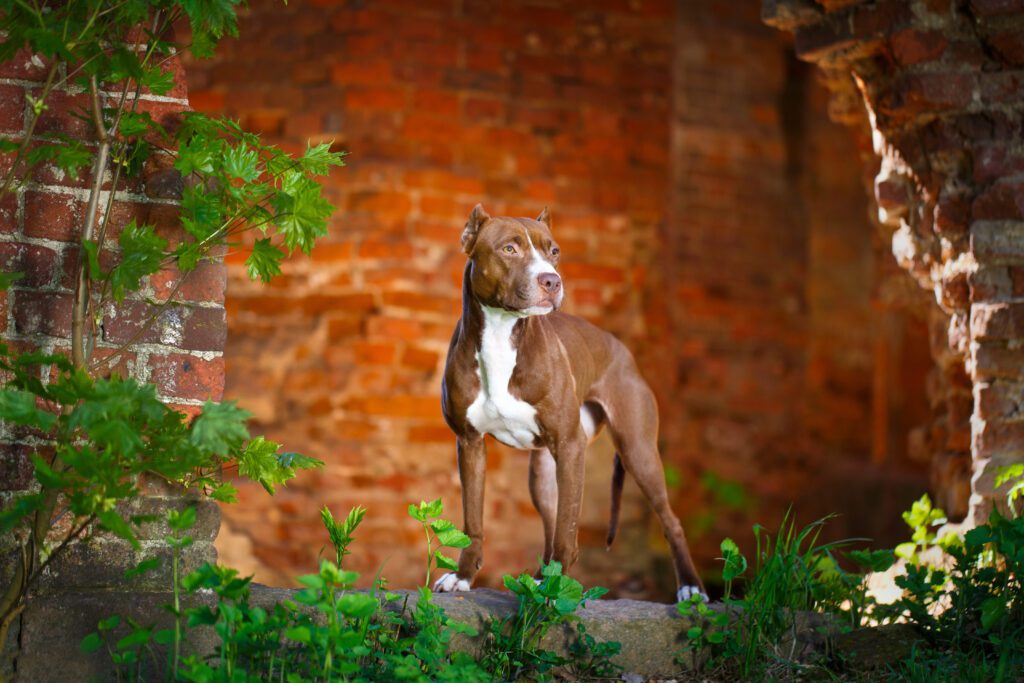


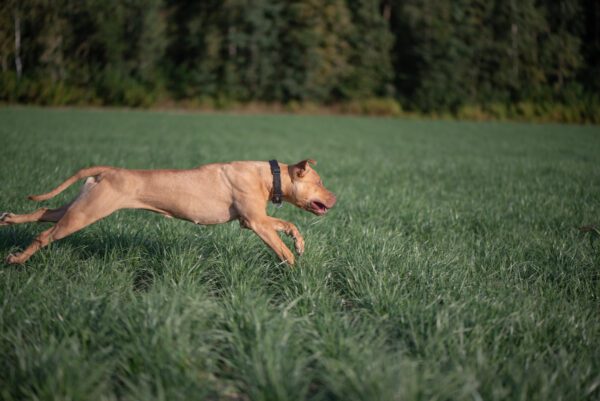
The American Pit Bull Terrier is affectionate, athletic, and eager to please. Many families love this breed for its people focus and cheerful energy. An American Pit Bull Terrier thrives when daily exercise pairs with clear structure and calm leadership.
Responsible research matters before you bring any dog home. Adoption gives a dog a second chance and helps you avoid the uncertainty that often comes with buying from unknown sources. Many adoptable dogs already have basic manners, and foster notes can help you match with a good fit for your lifestyle.
Arizona offers sun, open space, and active communities. The climate is hot and dry for much of the year, which means your dog needs shade, frequent water, and rest during the hottest hours. Desert pavement can burn paws, so plan walks at sunrise and sunset. Urban apartments in Arizona can work well with daily walks and enrichment, while suburban homes benefit from secure fencing to match this breed’s strength and curiosity.
You can skip searching shelters and rescues one by one by starting with Dog Academy. You can browse updated listings for American Pit Bull Terriers across Arizona in one place. You can also use Dog Academy’s educational guides and adoption checklists to prepare your home, compare dogs, and plan your first week.
You can find adoptable dogs through local animal shelters, regional rescues, breed-specific rescue groups, and volunteer foster networks. You can browse profiles by age, size, and energy level. You should read each description closely to confirm temperament notes, medical history, and any training progress. You should reach out with clear questions about exercise needs, comfort with other pets, and ideal home setup.
The process usually starts with an online or in-person application. You should expect to provide identification, proof of address, information about your household, and permission for a landlord or homeowner check if you rent. Many groups schedule a phone interview to discuss your experience and daily routine. A meet-and-greet follows, which may include introductions with resident dogs in a neutral area to support calm behavior. Some groups complete a home check, which can be virtual or in person, to confirm safe fencing, secure gates, and a plan for heat management in Arizona. Timelines vary, but approvals often take 3 to 10 days. Some organizations offer foster-to-adopt placements, which allow you to host the dog for a short trial while support continues. When dogs are not local, rescues may arrange transport to move dogs between cities or states, and they coordinate health certificates, safe travel, and pickup details.
Once approved, you sign an adoption contract, pay the fee, and take your dog home with basic supplies and care records. You should ask about post-adoption support, which often includes training advice and medical follow-ups. You should schedule a veterinary visit within the first week, and you should begin a steady routine immediately to help your American Pit Bull Terrier settle.

|
How Much Does It Cost to Adopt a American Pit Bull Terrier in Arizona?Most adopters in Arizona pay $150 to $300 for an adult American Pit Bull Terrier. Puppies usually cost $250 to $400 due to higher demand and early veterinary care. Fees vary with age, training, medical care, and regional demand. A dog with recent veterinary work and basic manners often sits at the higher end, while seniors and long-stay dogs may have reduced fees. Adoption fees typically include spaying or neutering, vaccinations, microchipping, and veterinary exams. Some groups add heartworm testing, deworming, or a starter bag of food, which can affect the final price. You should budget for a collar, leash, crate, bowls, toys, and a first vet appointment so you can start strong. |
How Should I Train a American Pit Bull Terrier?An American Pit Bull Terrier learns quickly and responds best to positive reinforcement. You should use food rewards, toys, and praise to build reliable cues. Short sessions build success, and calm repetition turns skills into habits. You should start with a name response, hand target, sit, down, and a solid recall, since these cues teach focus even when distractions rise. Common challenges include leash pulling, jumping during greetings, and overexcitement around other dogs. You can teach loose-leash walking with frequent reinforcement at your side and planned decompression breaks. You can prevent jumping by rewarding four paws on the floor and by asking for a sit before any attention. Many American Pit Bull Terriers are social with people yet sensitive around unfamiliar dogs, so you should manage introductions carefully and reward calm behavior. Consistency, clear rules, and daily mental work matter. You should aim for 60 to 90 minutes of total exercise each day, split into cooler morning and evening sessions in Arizona’s heat. Enrichment such as food puzzles, sniff walks, and tug games helps your dog relax indoors. Structured learning keeps progress steady. You can follow step-by-step lessons through Dog Academy’s online training courses. Courses cover puppy foundations, loose-leash walking, impulse control, crate training, and confidence building. You get professional guidance you can apply at home, and you can adapt plans to your dog’s temperament and your Arizona routine. |

|
The ideal adopter enjoys daily activity, values structure, and wants a loyal companion that stays close to the family. A prepared home offers shade, water, and safe flooring for hot days. A committed owner guides training with patience and rewards and provides clear routines that help the dog feel secure.
Take your time as you meet dogs, ask questions, and review notes. Preparation sets you up for success, and the right match will thrive in Arizona with thoughtful care. You can start your search today and move forward with confidence using Dog Academy’s tools, training, and support.

Introducing a new puppy to your current dog is often an exciting process, and many dogs will become fast friends and eas...
Read More
Rescue dogs can make great companions and can transform your home into something better. These dogs make great pets and ...
Read More
You should never rush to pet a dog. Even dog owners make the mistake of approaching unfamiliar dogs and petting them rig...
Read More
Puppy mill dogs are survivors who have endured extreme hardships in their lives. They have grown up in horrendous, unsan...
Read More
With their wagging tails and comforting presence, adopting a dog can add a unique touch to your life. It’s a heart...
Read More
Older dogs may have a few gray hairs around the edges, but that doesn’t mean they can’t make wonderful companions! T...
Read More