

























































































































































































Introducing a new puppy to your current dog is often an exciting process, and many dogs will become fast friends and eas...
Read MoreAdopt Me


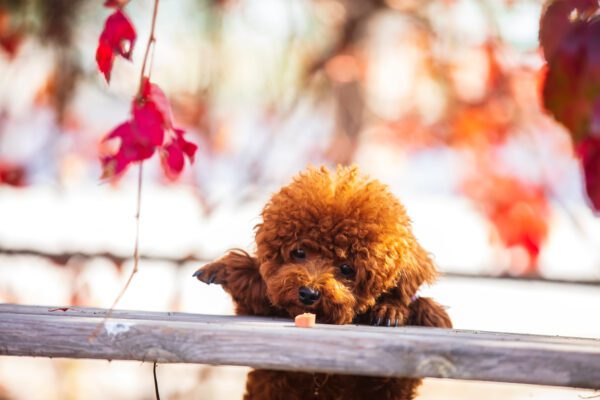
Toy Poodles are bright, affectionate, and people oriented. The breed thrives on companionship and mental challenges, and the small size fits easily into apartments and compact homes. A Toy Poodle often bonds deeply with a favorite person, yet still enjoys meeting new people when socialized well. The low-shedding coat makes the breed appealing to families who want less loose hair in the home, though regular grooming remains essential.
Thoughtful research helps every adopter succeed. A Toy Poodle needs daily exercise, enrichment, and consistent routines. Adoption gives a dog a second chance and supports ethical placement practices, which often include behavior assessments and essential veterinary care. Adopting instead of buying also reduces pressure on irresponsible breeding and helps local communities by opening shelter space for other animals in need.
New Hampshire’s climate includes cold, snowy winters and warm, humid summers. A Toy Poodle handles cold weather poorly due to small size and a coat that needs trimming, so the dog benefits from sweaters, booties, and short outdoor sessions in winter. The state’s mountains, forests, and coastline offer beautiful walks, but small dogs need careful supervision around wildlife and rough terrain. The New Hampshire lifestyle suits a Toy Poodle when the adopter provides indoor play, short but frequent walks, and year-round grooming and skin care.
You can avoid searching rescues and shelters separately by using Dog Academy’s adoption listings. You can view current Toy Poodles and similar small poodle mixes in one place, and you can also use practical educational guides and adoption checklists to prepare your home. Start by browsing available dogs through Dog Academy, local animal shelters, regional rescues, and breed-specific rescue groups that serve New Hampshire and nearby states.
Read each dog’s profile carefully and match energy level, age, and care needs to your routine. Most groups ask you to submit an application that includes personal details, lifestyle information, veterinarian references, and landlord permission for renters. Applications help teams ensure that exercise plans, training goals, and home setups fit the dog’s needs.
After an application review, many groups schedule a phone interview to discuss daily schedules, training preferences, and expectations. Meet-and-greets follow, which allow you to observe temperament, handling comfort, and how the dog responds to new environments. Some organizations conduct home checks to confirm safety features like secure doors, safe stairs, and a quiet sleeping area. Home checks may be in person or virtual through a video call, and they focus on safety rather than decor.
Approval timelines vary by group and by dog. Straightforward adoptions often finish in 1 to 3 weeks. Dogs with special medical or behavioral needs may require additional conversations and training plans before placement. If the perfect Toy Poodle is outside your immediate area, rescues sometimes arrange transport between locations using volunteer drivers or professional ground transport so that dogs can move safely to approved adopters.

|
How Much Does It Cost to Adopt a Toy Poodle in New Hampshire?Most adopters in New Hampshire can expect an adoption fee between $300 and $600 for a Toy Poodle. Younger dogs and highly social small breeds tend to sit at the top of that range due to strong demand in New England. Senior dogs or dogs with ongoing medical needs may fall near the lower end to encourage placement with prepared adopters. Fees reflect completed care that protects your dog and reduces early costs. Typical inclusions are spaying or neutering, vaccinations, microchipping, and veterinary exams. Fees can also reflect dental cleanings, grooming, and baseline bloodwork if provided. Age, prior training, recent medical treatment, and regional demand all affect the final fee. Many groups include a starter supply of food or a collar and leash, which helps during the first week at home. |
How Should I Train a Toy Poodle?Toy Poodles are highly intelligent and eager to learn, which makes training efficient and rewarding. The breed excels with short sessions that use food rewards, toys, and praise. Puzzle games, nose work, and trick training keep these quick thinkers engaged and less likely to develop nuisance behaviors. Common challenges include alert barking, sensitivity to noise, and pushy behavior that can develop when rules are inconsistent. Early socialization with calm dogs and friendly people builds confidence. House training improves with frequent outdoor trips, a consistent feeding schedule, and careful supervision to prevent mistakes. Positive reinforcement works best because it builds trust and keeps training fun for a sensitive breed. Clear guidance speeds progress for both first-time and experienced owners. You can follow structured lessons through Dog Academy’s online training courses, which teach core obedience, polite leash skills, and enrichment routines that suit indoor living during New Hampshire winters. Consistency, gentle feedback, and rewarding calm behavior help your Toy Poodle settle and shine. |
|
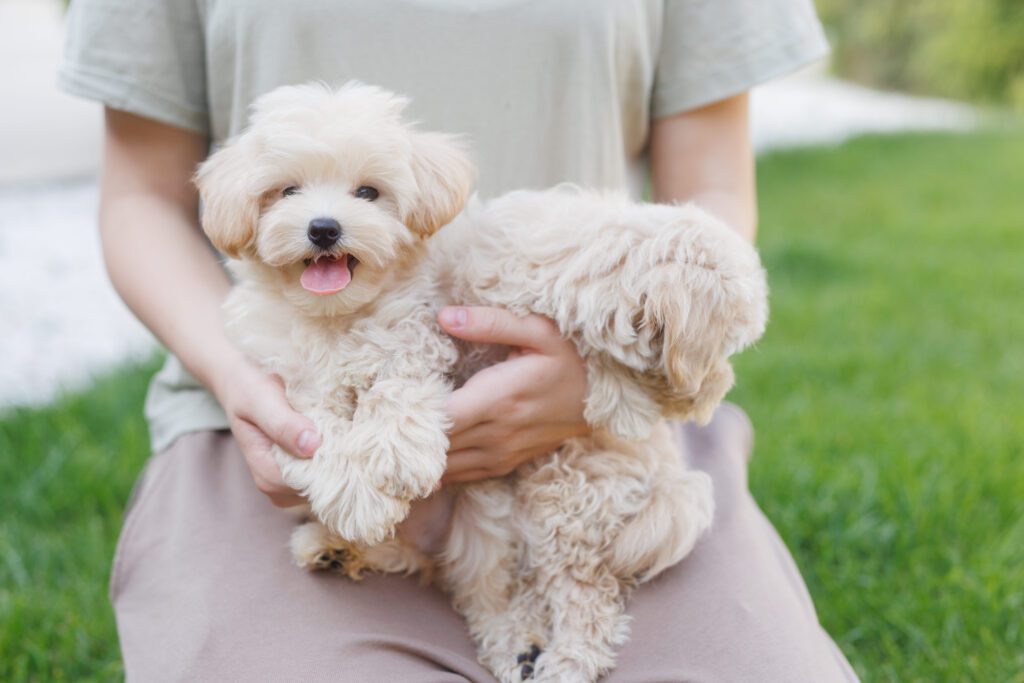
A great match for a Toy Poodle is a person or family that enjoys daily interaction, short but regular walks, and mental games. The ideal home provides time for grooming every 4 to 6 weeks, safe indoor spaces, and a plan for midday breaks. Families with respectful children and calm schedules often find this breed a joyful companion.
Take your time, ask detailed questions, and prepare your home before the first day. Research, training, and realistic expectations help you adopt a Toy Poodle in New Hampshire with confidence and compassion. When you choose adoption, you give a deserving dog a safe home and you welcome a bright, loving partner into your life.

Introducing a new puppy to your current dog is often an exciting process, and many dogs will become fast friends and eas...
Read More
Rescue dogs can make great companions and can transform your home into something better. These dogs make great pets and ...
Read More
You should never rush to pet a dog. Even dog owners make the mistake of approaching unfamiliar dogs and petting them rig...
Read More
Puppy mill dogs are survivors who have endured extreme hardships in their lives. They have grown up in horrendous, unsan...
Read More
With their wagging tails and comforting presence, adopting a dog can add a unique touch to your life. It’s a heart...
Read More
Older dogs may have a few gray hairs around the edges, but that doesn’t mean they can’t make wonderful companions! T...
Read More