

























































































































































































Introducing a new puppy to your current dog is often an exciting process, and many dogs will become fast friends and eas...
Read MoreAdopt Me

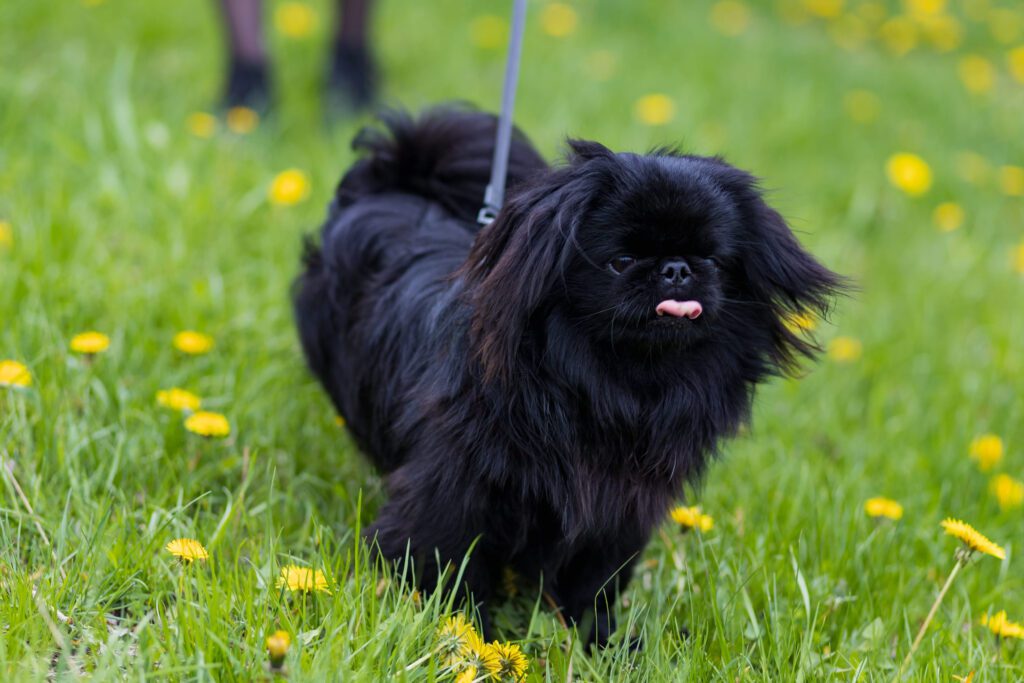
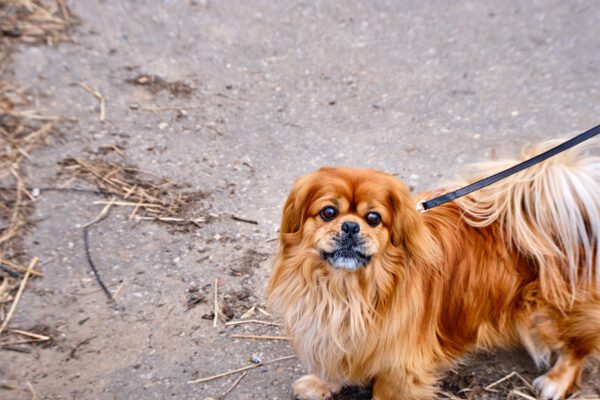
The Pekingese is a loyal, dignified, and affectionate companion that forms deep bonds with family. The breed prefers calm households, enjoys short walks, and loves a cozy lap. A luxurious coat and a charming lion-like look make this small dog stand out. Careful research helps every adopter understand needs related to grooming, breathing, and exercise so the dog can thrive for years.
Choosing adoption gives a dog a second chance and supports ethical pet ownership. Adopters gain histories, behavior notes, and vetting information that help with an informed match. New Hampshire offers many pet-friendly communities, but the climate requires planning. Winters are cold with ice and snow, and summers can be humid. A Pekingese benefits from warm layers in winter, paw protection on salted sidewalks, and cool indoor time during hot weather. The breed’s short muzzle makes heat management essential. New Hampshire’s mix of small towns, cities, and rural areas suits a Pekingese that enjoys short, frequent outings rather than long hikes.
You can avoid searching shelters and rescues one by one by using Dog Academy’s adoption listings, which combine available dogs from multiple sources in one place. You can also rely on Dog Academy for educational guides and simple checklists that help you stay organized from your first search through gotcha day. You can start with Dog Academy to browse Pekingese currently up for adoption and to learn how to prepare your home.
Prospective adopters in New Hampshire can find Pekingese through local animal shelters, regional rescues, and breed-specific rescue groups. Listings usually show age, size, medical notes, and personality highlights. You can compare dogs, ask questions, and request updates. Understanding the breed’s needs is important. The Pekingese has a flat face, which requires careful exercise and temperature control. The long coat needs regular brushing and professional grooming. A quiet home with patience for training usually suits this breed.
The process typically starts with browsing listings and submitting an application. Applications often ask about work schedules, housing, other pets, and plans for training and grooming. Many groups conduct a phone interview and request veterinary or personal references. A meet-and-greet follows so you can see how the dog interacts with you and your household. Some organizations complete a home check to confirm safety, which may be virtual or in person. Most approvals take 1 to 3 weeks, although puppies or high-demand dogs can take longer due to higher interest.
After approval, you sign an adoption contract and pay the fee. Some rescues offer a short trial period to ensure a good match, which helps both the adopter and the dog. New England groups sometimes coordinate transport to move dogs safely between locations when a good match is found. Transport is often arranged by rescues to move dogs between states, and adopters receive clear pickup instructions and schedules. Good communication keeps the process smooth and minimizes stress for the dog.

|
How Much Does It Cost to Adopt a Pekingese in New Hampshire?Most adopters in New Hampshire should expect an adoption fee between $300 and $550 for a Pekingese. Fees vary based on age, demand, and the level of veterinary care already provided. Puppies or young adults often sit at the higher end of the range, while seniors can be slightly lower. Dogs that received recent medical care can cost more because the organization needs to recover expenses. Adoption fees often include spaying or neutering, vaccinations, microchipping, and veterinary exams. Additional factors that affect price include training progress, grooming needs at intake, dental work, and any eye or respiratory treatment. Asking for an itemized breakdown helps you understand value and ensures you bring home a healthy companion. |
How Should I Train a Pekingese?The Pekingese is intelligent and perceptive but also independent. Short, upbeat sessions work best. Positive reinforcement with small treats and praise keeps focus high and prevents stubborn behavior. Early socialization with calm people and gentle dogs builds confidence and reduces reactivity. Many owners find house training more successful with frequent outdoor breaks and a consistent routine, because small dogs have smaller bladders. Respect the breed’s physical limits during training. The short muzzle makes the dog prone to overheating, so you should train indoors or in shade during warm weather and provide water breaks. Handling practice for grooming is essential. Teach calm brushing, nail care, and face cleaning in small steps with rewards. For structured guidance at home, explore Dog Academy’s online training courses, which offer step-by-step lessons tailored to real-life skills like polite leash walking, relaxation, and reliable recall. |
|
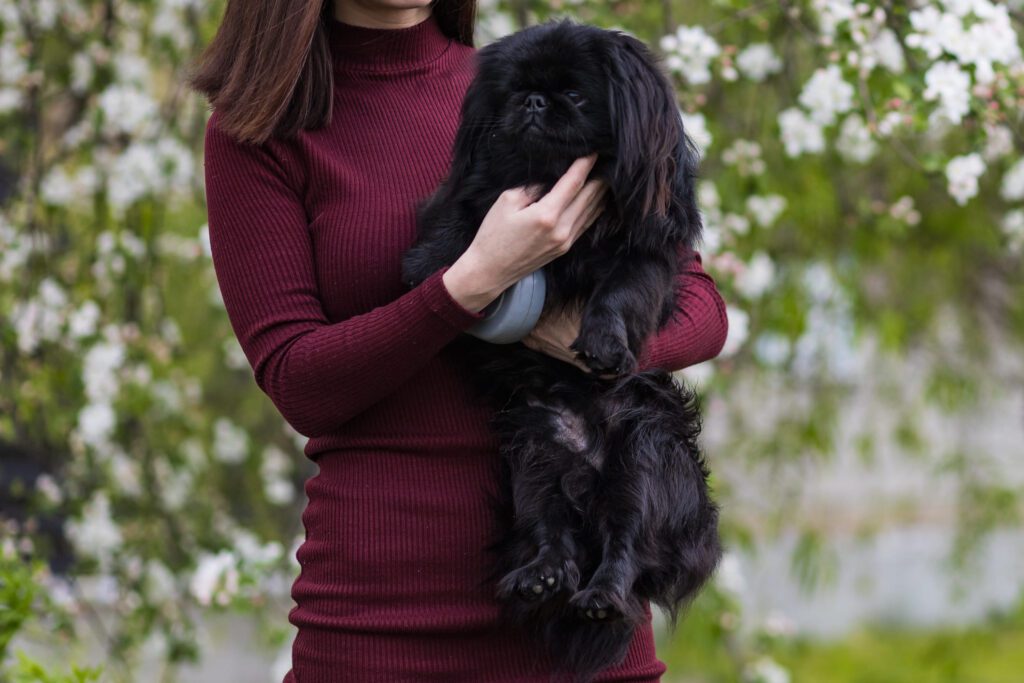
The ideal Pekingese adopter enjoys a relaxed pace, values gentle companionship, and can commit to regular grooming and mindful exercise. A family that understands heat safety, indoor enrichment, and routine veterinary care will help this breed flourish. Preparation matters. A safe home setup, a plan for training, and a clear budget all support a successful transition.
Take your time to research, ask questions, and meet suitable matches. When you feel confident about the breed’s needs and your routine, you will be ready to adopt a Pekingese in New Hampshire and welcome a devoted friend into your life.

Introducing a new puppy to your current dog is often an exciting process, and many dogs will become fast friends and eas...
Read More
Rescue dogs can make great companions and can transform your home into something better. These dogs make great pets and ...
Read More
You should never rush to pet a dog. Even dog owners make the mistake of approaching unfamiliar dogs and petting them rig...
Read More
Puppy mill dogs are survivors who have endured extreme hardships in their lives. They have grown up in horrendous, unsan...
Read More
With their wagging tails and comforting presence, adopting a dog can add a unique touch to your life. It’s a heart...
Read More
Older dogs may have a few gray hairs around the edges, but that doesn’t mean they can’t make wonderful companions! T...
Read More