




































































































Introducing a new puppy to your current dog is often an exciting process, and many dogs will become fast friends and eas...
Read MoreAdopt Me

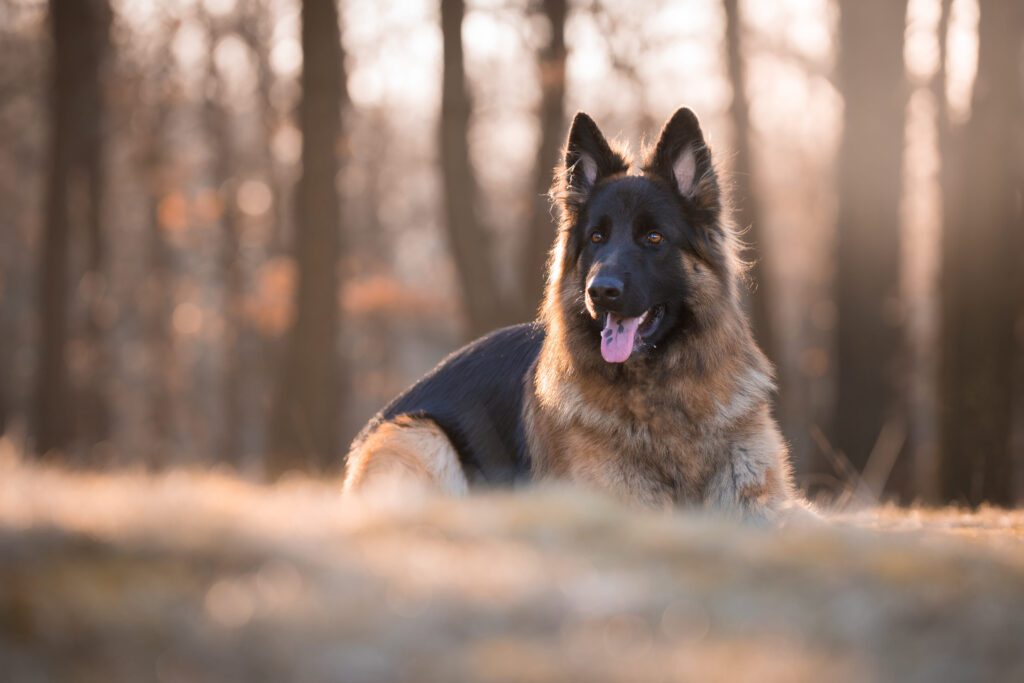
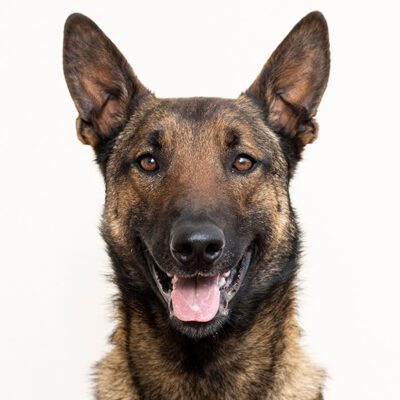
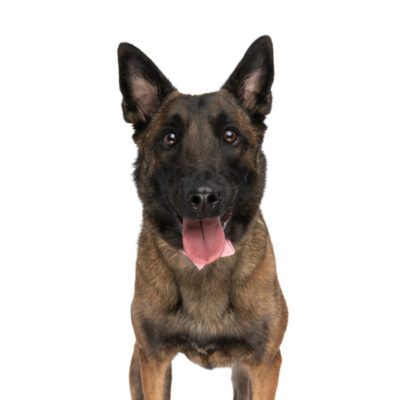
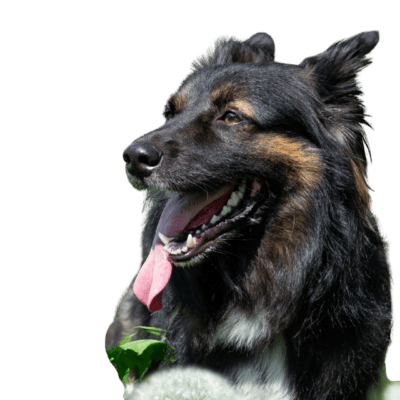
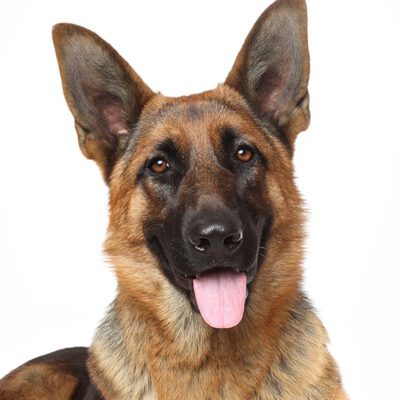
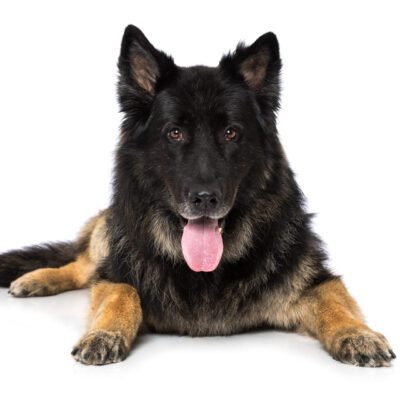
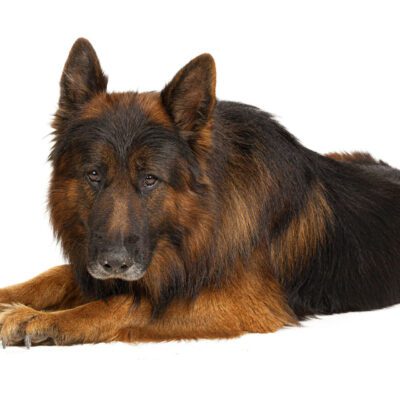
Confident, loyal, and highly capable, the King Shepherd is a large companion that blends family friendliness with working-dog grit. This breed offers steadfast devotion, sharp intelligence, and a calm presence once properly exercised and trained. Careful research before you adopt helps you match energy levels, grooming needs, and temperament with your household. Adoption is a thoughtful way to welcome a King Shepherd because it gives a deserving dog a second chance while supporting responsible animal welfare.
Nebraska’s four-season climate suits a double-coated breed. Cold winters favor the King Shepherd’s insulating coat, while hot summers require shade, hydration, and limited midday activity. The state’s open spaces, trails, and suburban yards can serve this athletic dog well, though apartments can also work when daily exercise and enrichment stay consistent. The right Nebraska home provides structure, opportunities to move, and time for training, which allows this gentle giant to thrive.
You can avoid searching shelters and rescues separately by browsing adoptable King Shepherds through Dog Academy. Dog Academy curates adoption listings, which helps you compare dogs across local animal shelters, regional rescues, and breed-specific rescue groups in one place. You can also use Dog Academy resources to review educational guides and adoption checklists so you stay prepared for every step.
Start by browsing listings and reading each profile carefully. Profiles usually describe age, temperament, activity level, and medical updates. When you find a match, submit an application that shares your living situation, schedule, training plan, and experience with large breeds. Many groups ask for references, proof of landlord approval when you rent, and vet contact details for current pets. Strong applications explain how you will meet exercise needs, provide mental enrichment, and maintain grooming routines for a heavy-coated dog.
After application screening, most groups schedule a meet-and-greet. This meeting allows you to confirm temperament and to observe how the dog responds to handling, new people, and resident pets. Many groups also complete a home check, which can be virtual or in person, to verify safe fencing, secure gates, and a plan for crate training and decompression. Approval timelines vary. Straightforward cases can move in 1 to 2 weeks, while medical holds or complex matches can take several weeks.
Nebraska groups sometimes collaborate with partners in nearby states. When a great match appears outside your area, rescues may arrange transport between locations using volunteer drivers or professional carriers. Transport requires coordination, health certificates from a veterinarian, and confirmed pickup logistics so the dog arrives safely and on schedule.
|
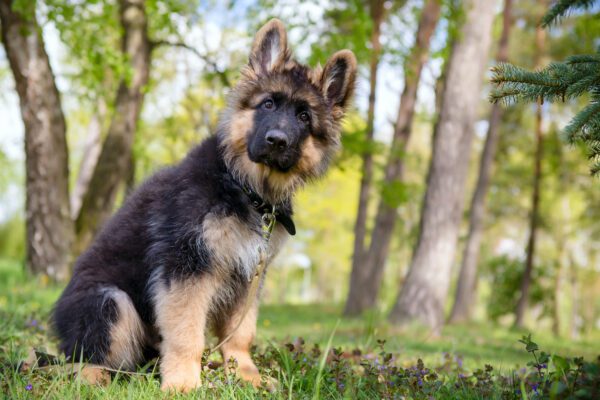
How Much Does It Cost to Adopt a King Shepherd in Nebraska?Expect adoption fees in Nebraska to range from $200 to $450 for a King Shepherd or a closely related mix. Fees trend toward the lower half of that range in municipal shelters and toward the higher half in specialized rescues that provide extensive care. Age, training, medical history, and local demand all affect pricing. Puppies and dogs with completed training plans often cost more, while seniors and dogs needing long-term care may cost less. Most fees help cover spaying or neutering, vaccinations, microchipping, and veterinary exams. Fees can also reflect dental cleanings, orthopedic evaluations, heartworm treatment, or behavior support when needed. Large breeds typically require larger doses of medications and more supplies during care, which can influence the final fee. |
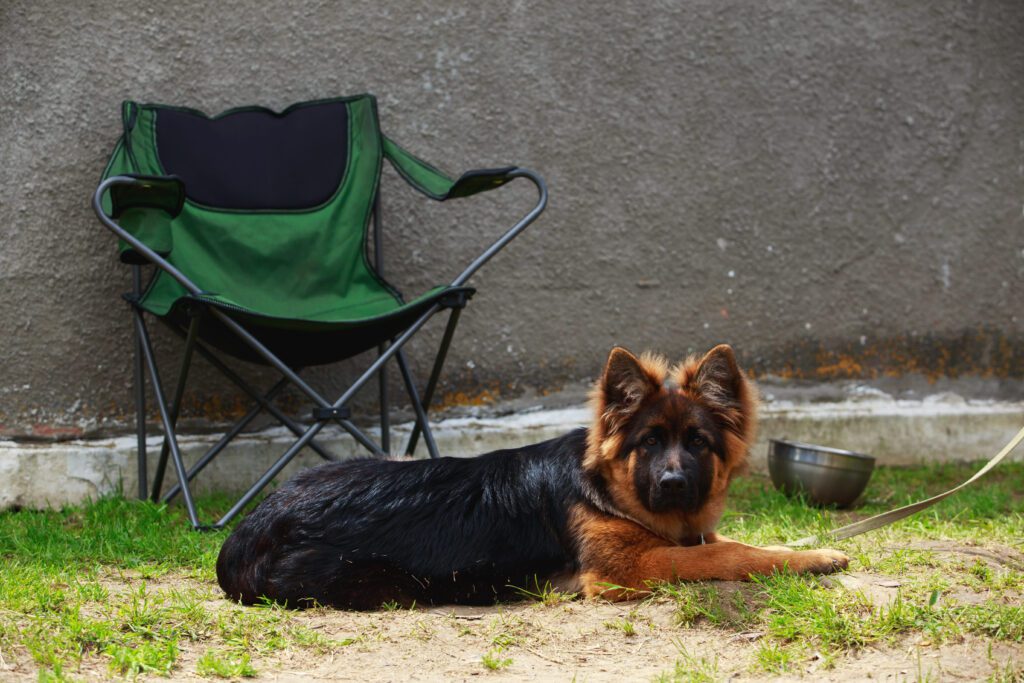
How Should I Train a King Shepherd?King Shepherds are intelligent, eager, and loyal, which makes them highly trainable with clear guidance. They excel when you use positive reinforcement, consistent cues, and generous rewards. Early socialization to people, places, and sounds builds confidence. Many young King Shepherds test boundaries, pull on leash, or guard resources, which calls for calm structure, impulse-control games, and predictable routines. Focus on foundation skills that make daily life smooth. Prioritize loose-leash walking, reliable recall, sit and down stays, relaxed crate time, and settling on a mat. Rotate puzzle feeders and scent games to satisfy a strong working drive. Short, focused sessions prevent frustration and keep learning fun. If you want step-by-step support, explore Dog Academy’s online training courses, which provide guided lessons, problem-solving tips, and enrichment plans designed for active, intelligent dogs. |
|
The ideal owner enjoys daily activity, values structure, and commits to ongoing training. A fenced yard helps but is not required when you meet exercise needs through brisk walks, hiking, and focused play. Families with children can succeed when they supervise interactions, set clear rules, and keep training consistent. First-time owners can thrive when they follow a plan, ask questions, and build a reliable support network.
Preparation sets everyone up for success. Gather essentials like a properly fitted harness, a sturdy leash, an appropriately sized crate, slow-feed bowls, and durable chew options. Choose a veterinarian, schedule time for gradual decompression, and review your training plan before pickup. When you take your time, ask thoughtful questions, and use trusted resources, you can adopt a King Shepherd in Nebraska with confidence and welcome a devoted companion for years to come.
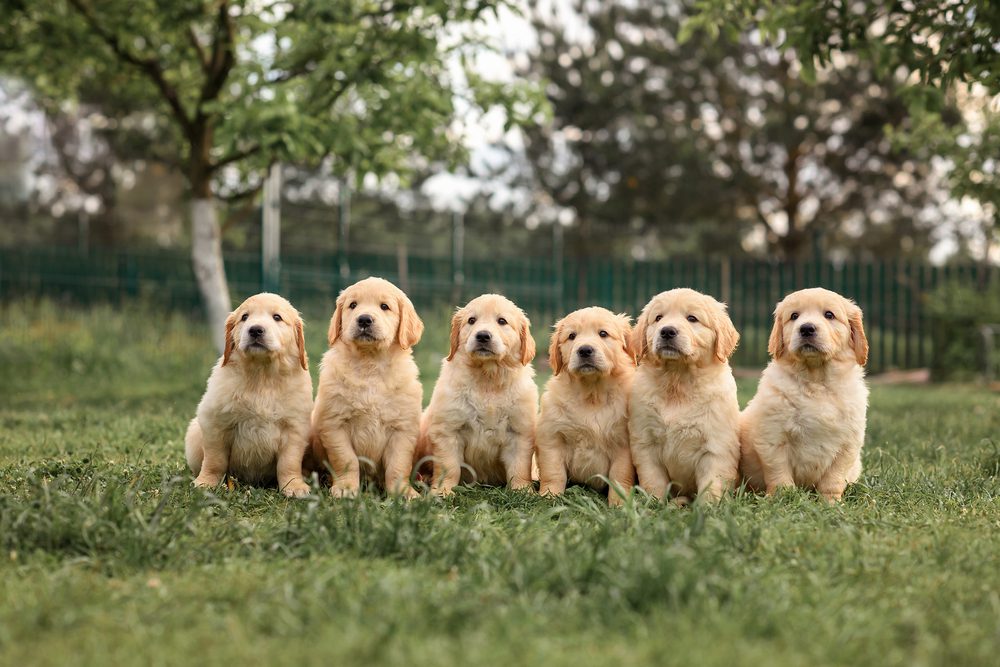
Introducing a new puppy to your current dog is often an exciting process, and many dogs will become fast friends and eas...
Read More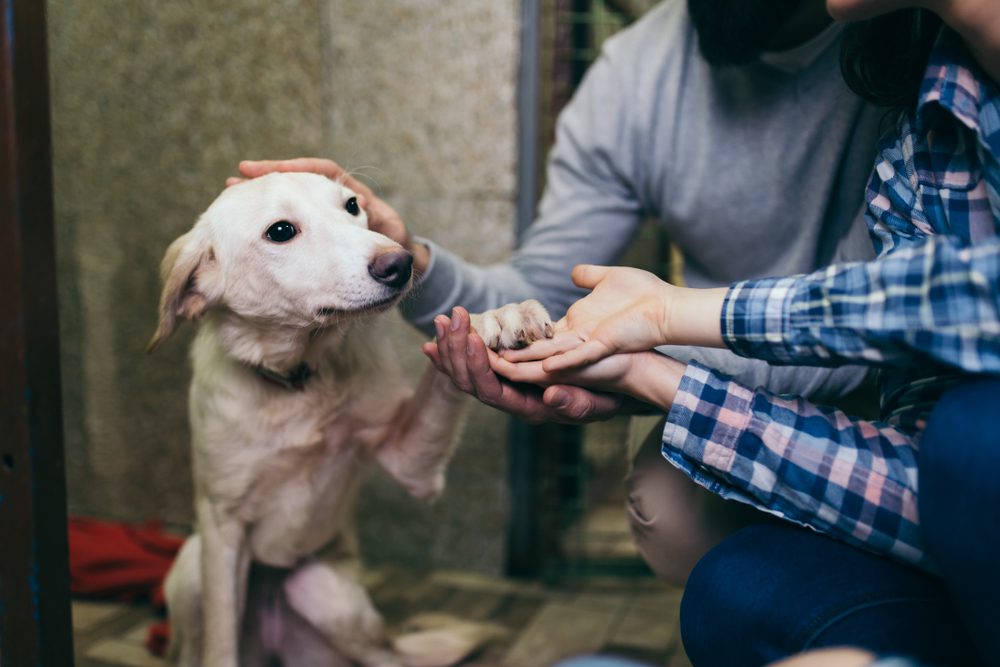
Rescue dogs can make great companions and can transform your home into something better. These dogs make great pets and ...
Read More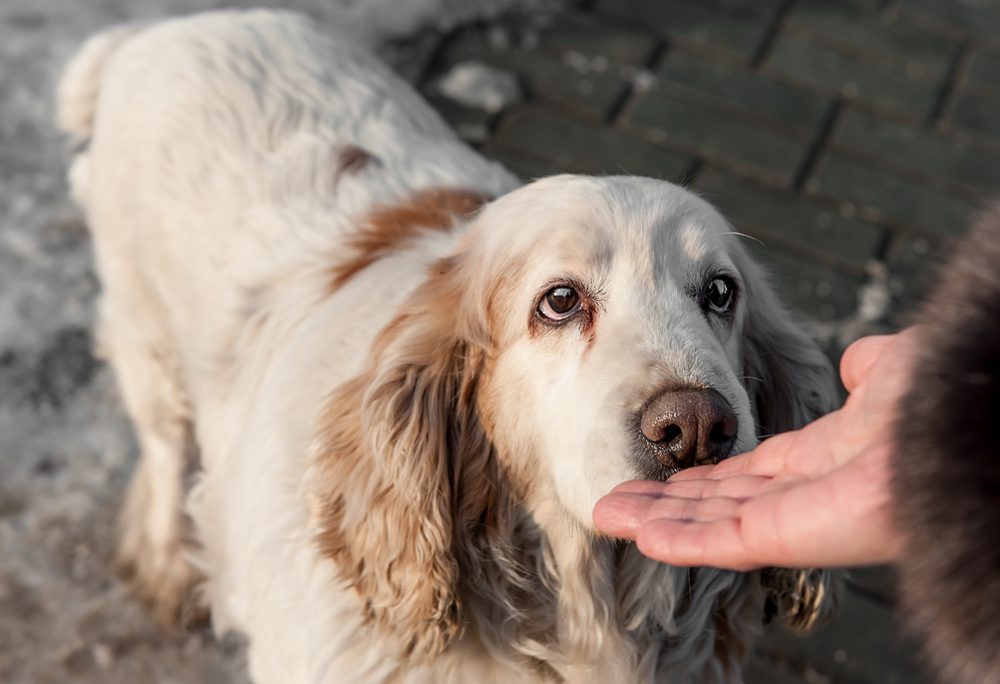
You should never rush to pet a dog. Even dog owners make the mistake of approaching unfamiliar dogs and petting them rig...
Read More
Puppy mill dogs are survivors who have endured extreme hardships in their lives. They have grown up in horrendous, unsan...
Read More
With their wagging tails and comforting presence, adopting a dog can add a unique touch to your life. It’s a heart...
Read More
Older dogs may have a few gray hairs around the edges, but that doesn’t mean they can’t make wonderful companions! T...
Read More