

























































































































































































Introducing a new puppy to your current dog is often an exciting process, and many dogs will become fast friends and eas...
Read MoreAdopt Me



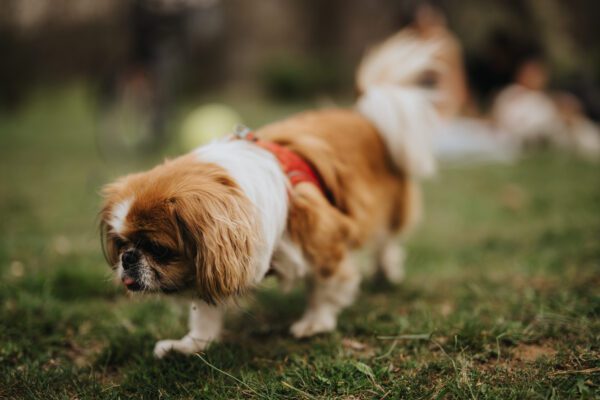
The Japanese Chin is a gentle, affectionate companion that loves to be close to its people. This toy breed is playful and bright, with a soft coat and expressive face that win hearts fast. A Japanese Chin thrives on calm routines, short daily walks, and quiet downtime, which suits many New Hampshire households that enjoy cozy evenings after active days.
Thoughtful research matters before you bring home any dog. Adoption gives a dog in need a second chance and often includes valuable veterinary care that supports a healthy start. Buying can encourage breeding that does not always put welfare first, while adoption helps reduce overcrowding and supports ethical placement. New Hampshire’s climate includes cold winters and humid summers, which can challenge a flat-faced toy breed. A Japanese Chin does best with climate control, protected winter walks, and summer outings during cooler hours.
New Hampshire’s mix of small cities, coastal towns, and mountain communities offers plenty of indoor living and short walking routes. A Japanese Chin enjoys strolls on safe sidewalks and quiet neighborhood paths. Rural areas require extra supervision due to wildlife and uneven terrain. This small dog needs secure leashing, careful stair safety, and warm layers in winter. With these adjustments, the breed can thrive across the Granite State.
You can avoid searching shelters and rescues separately by browsing Dog Academy for adoption listings statewide. You can also use Dog Academy for educational guides and adoption checklists that help you prepare each step. Beyond Dog Academy’s listings, you can look to local animal shelters, regional rescues, breed-specific rescue groups, and foster networks that place small companion dogs.
Start by browsing available dogs and reading each profile closely. You should confirm energy level, medical history, behavior notes, and compatibility with children or other pets. You can contact the group to ask questions about daily routines, exercise needs, and any ongoing care. You should match the dog’s needs with your schedule, home setup, and experience level to set everyone up for success.
Most organizations use an application to learn about your home, your experience, and your plans for training and veterinary care. An application usually includes references, a landlord check if you rent, and a call with an adoption counselor. Approval timelines vary by workload and fit, and many decisions are made within 3 to 14 days. Clear communication, quick replies, and complete information help move the process forward.
After an initial review, many groups arrange a meet-and-greet at the shelter, at a foster home, or at a neutral location. You should bring household members and resident dogs for a calm introduction. Some organizations also complete a home check, which can be virtual or in person, to confirm safety gates, secure doors, and a plan for safe indoor spaces. A fenced yard is not required for a toy breed, but safe leashing, blocked stair gaps, and draft-free resting areas are important.
If you find the right match outside New Hampshire, rescues sometimes arrange transport between locations. Transport is often arranged by rescues to move dogs between states using volunteer drivers or licensed carriers, and the group coordinates trip timing and required health certificates. You should ask about any transport fees and handoff details so you can prepare for arrival day.

|
How Much Does It Cost to Adopt a Japanese Chin in New Hampshire?In New Hampshire, most adopters pay about $250 to $500 for a Japanese Chin, with puppies or recent medical work sometimes raising fees toward $600. Fees vary by age, training, medical care, and local demand for small companion breeds. A senior dog or a dog with ongoing care needs may fall on the lower end, while a puppy with high demand and recent vetting often costs more. Adoption fees typically include spaying or neutering, vaccinations, microchipping, and veterinary exams. Some groups also include heartworm testing, deworming, and a starter supply of food. If the dog received dental work or treatment for a condition, the fee may reflect that investment. You should also budget for a harness and leash, a crate, grooming tools, and a first veterinary visit after adoption. |
How Should I Train a Japanese Chin?The Japanese Chin is intelligent, sensitive, and eager to connect with its person. Short, upbeat lessons work best, with calm praise and tasty treats for success. You should keep sessions to 3 to 5 minutes and end on a win so your dog stays engaged. Consistency builds confidence, and gentle handling helps this delicate toy breed feel safe. Common challenges include house training, inconsistent recall, and alert barking. A structured potty schedule, frequent outdoor breaks, and reward timing improve house training. A harness supports safe leash walks and protects the neck. You can redirect barking with quiet cues, enrichment, and calm greetings. You can build reliable recall indoors first, then add low-distraction outdoor practice on a long line. For step-by-step guidance, explore Dog Academy’s online training courses, which cover puppy foundations, polite manners, crate training, and confidence building for small dogs. |
|
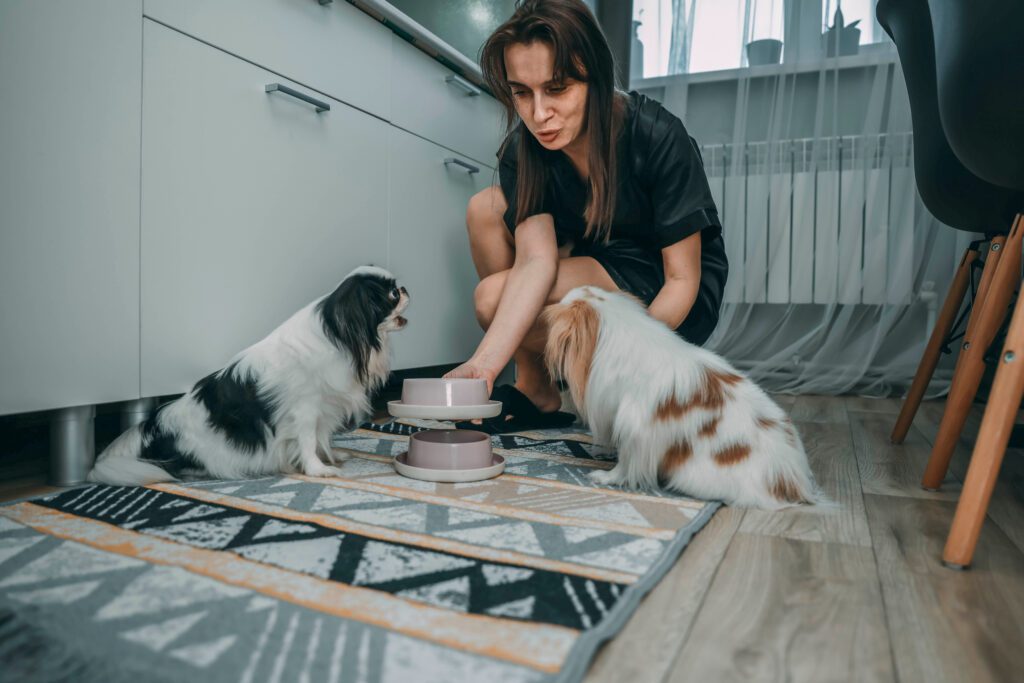
The best match is an adopter who enjoys close companionship, gentle play, and quiet routines. A Japanese Chin suits apartments and single-family homes when the family provides daily walks, indoor enrichment, soft bedding, and regular grooming. Patient adopters, retirees, and first-time owners who commit to positive training often find this breed a perfect fit.
Preparation leads to a smooth transition. You should gather supplies, set a safe rest area, confirm a veterinary appointment, and plan a calm first week at home. Take your time, ask thoughtful questions, and keep learning. With careful research and a steady routine, you can adopt a Japanese Chin in New Hampshire and enjoy a happy, lasting bond.

Introducing a new puppy to your current dog is often an exciting process, and many dogs will become fast friends and eas...
Read More
Rescue dogs can make great companions and can transform your home into something better. These dogs make great pets and ...
Read More
You should never rush to pet a dog. Even dog owners make the mistake of approaching unfamiliar dogs and petting them rig...
Read More
Puppy mill dogs are survivors who have endured extreme hardships in their lives. They have grown up in horrendous, unsan...
Read More
With their wagging tails and comforting presence, adopting a dog can add a unique touch to your life. It’s a heart...
Read More
Older dogs may have a few gray hairs around the edges, but that doesn’t mean they can’t make wonderful companions! T...
Read More