




























































































































































































Introducing a new puppy to your current dog is often an exciting process, and many dogs will become fast friends and eas...
Read MoreAdopt Me

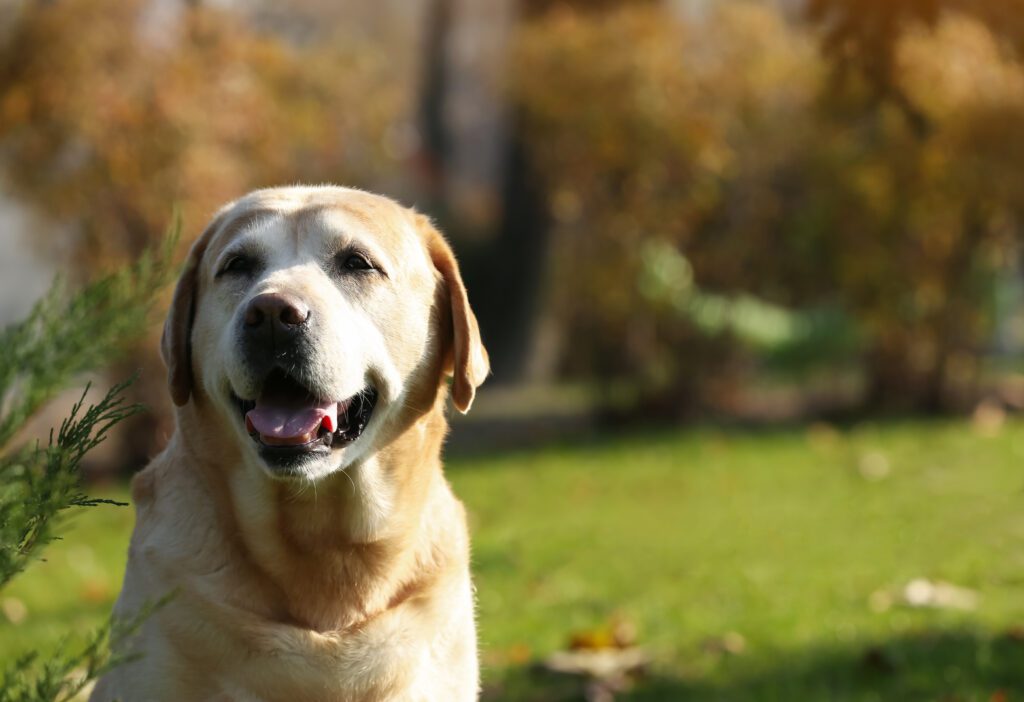
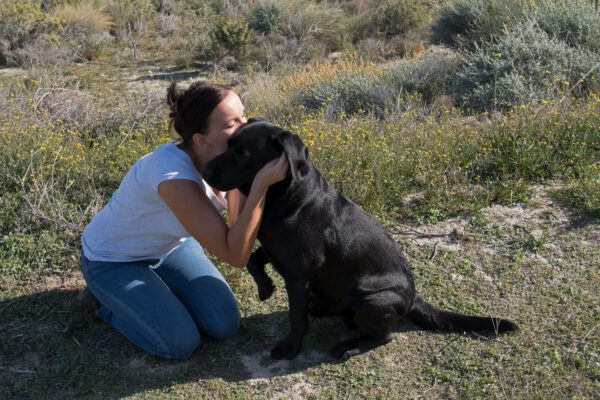
The English Labrador is affectionate, steady, and eager to please. This stockier, calmer variation of the Labrador Retriever loves people, enjoys gentle play, and thrives on routine. An English Lab usually settles well in family homes, responds quickly to training, and remains puppy-like in spirit even as an adult. The breed’s easygoing nature makes it a favorite for first-time adopters who want a friendly companion with a reliable temperament.
Adoption works best when you research first. English Labs need daily exercise, mental stimulation, and consistent guidance. They shed through the year, they like to carry and chew, and they gain weight when overfed. Adoption gives a deserving dog a new start and often provides helpful post-adoption support from knowledgeable volunteers.
Nebraska’s climate and geography suit this breed with a few thoughtful adjustments. The thick double coat handles cold winters, but your dog still needs a warm, draft-free place to sleep and shorter outings during severe windchill. Hot summers require shade, cool water, and walks during morning or evening hours. Nebraska’s open spaces and neighborhood sidewalks offer room to stretch, while urban living works well when you commit to structured walks, training, and indoor enrichment.
You can skip searching shelters and rescues one by one by starting with Dog Academy. Dog Academy’s adoption listings show dogs from local animal shelters, regional rescues, and breed-specific rescue groups across Nebraska and nearby areas. You can compare profiles in one place, then use Dog Academy’s educational guides and adoption checklists to prepare your home, supplies, and schedule before you apply.
Begin by browsing listings and filtering for age, size, energy level, and location. Read each biography closely. Look for notes about temperament, medical needs, house training, and compatibility with children or other pets. Message the organization with clear questions about exercise needs, past behavior, feeding, and any current medications.
Most organizations ask you to submit an application with personal information, references, a copy of your ID, and landlord approval if you rent. If you already have pets, you may be asked to share veterinary records and proof of vaccinations. Many groups review applications within 2 to 7 days based on volunteer availability and the number of applicants.
Approved applicants typically schedule a meet-and-greet at a shelter or a foster home. Bring all household members and arrange a careful introduction with resident dogs. Some groups offer a short trial to ensure a comfortable fit. A home check often follows. It may be virtual or in-person, and it verifies safe fencing or a secure leash plan, proper storage for cleaning supplies, and a quiet space for rest and crate training.
Once approved, you sign an adoption agreement, pay the fee, and coordinate your pickup date. If your match is outside your immediate area, rescues sometimes arrange transport to move dogs between locations. Transport usually involves volunteer drivers or licensed carriers who move dogs in secure crates along planned routes. The organization provides a schedule, obtains any required health certificates, and sets an agreed meeting point for the handoff.
|
How Much Does It Cost to Adopt a English Labrador in Nebraska?In Nebraska, you can expect to pay about $200 to $450 to adopt an adult English Labrador and about $300 to $600 to adopt a puppy. Fees vary with age, training history, medical care, and demand for this family-friendly breed. Adoption packages usually include spaying or neutering, vaccinations, microchipping, and veterinary exams. Some groups also provide heartworm testing, preventives, and a starter supply of food or medications. Prices may sit near the top of the range for puppies, for dogs with recent training, or for dogs with documented lineage. Seniors or dogs with manageable medical conditions may cost less. These fees help organizations cover care and allow them to support future dogs in need. |
How Should I Train a English Labrador?English Labradors are intelligent and highly trainable. They learn quickly when you use short sessions, clear cues, and consistent rewards. Positive reinforcement builds confidence and strengthens your bond. Food rewards work well, and you can also use toys or praise to keep motivation high without overfeeding. Common challenges include pulling on leash, jumping to greet, mouthiness during play, and counter surfing. Tackle these early with impulse-control games, structured walks, and reliable sit and stay cues. Teach a rock-solid recall and a calm place cue to help your dog settle during busy family routines. Provide daily mental enrichment through scent games, puzzle feeders, and controlled retrieving. For step-by-step guidance, explore Dog Academy’s online training courses for loose-leash walking, polite greetings, crate training, and recall. |

|
The ideal adopter enjoys daily walks, play in the yard or at safe open spaces, and relaxed evenings with a loyal companion. An English Labrador fits best with people who value steady routines, patient training, and time for exercise and grooming. Preparation matters. Set a budget, gather essentials, and plan for training and enrichment before your dog comes home.
Adopt at a comfortable pace and ask thoughtful questions along the way. Use Dog Academy to compare dogs, learn from clear adoption guides, and take the time you need to find a balanced, healthy match. With patience and preparation, you will bring home an English Labrador that thrives in Nebraska’s seasons and in your daily life.

Introducing a new puppy to your current dog is often an exciting process, and many dogs will become fast friends and eas...
Read More
Rescue dogs can make great companions and can transform your home into something better. These dogs make great pets and ...
Read More
You should never rush to pet a dog. Even dog owners make the mistake of approaching unfamiliar dogs and petting them rig...
Read More
Puppy mill dogs are survivors who have endured extreme hardships in their lives. They have grown up in horrendous, unsan...
Read More
With their wagging tails and comforting presence, adopting a dog can add a unique touch to your life. It’s a heart...
Read More
Older dogs may have a few gray hairs around the edges, but that doesn’t mean they can’t make wonderful companions! T...
Read More