




























































































































































































Introducing a new puppy to your current dog is often an exciting process, and many dogs will become fast friends and eas...
Read MoreAdopt Me
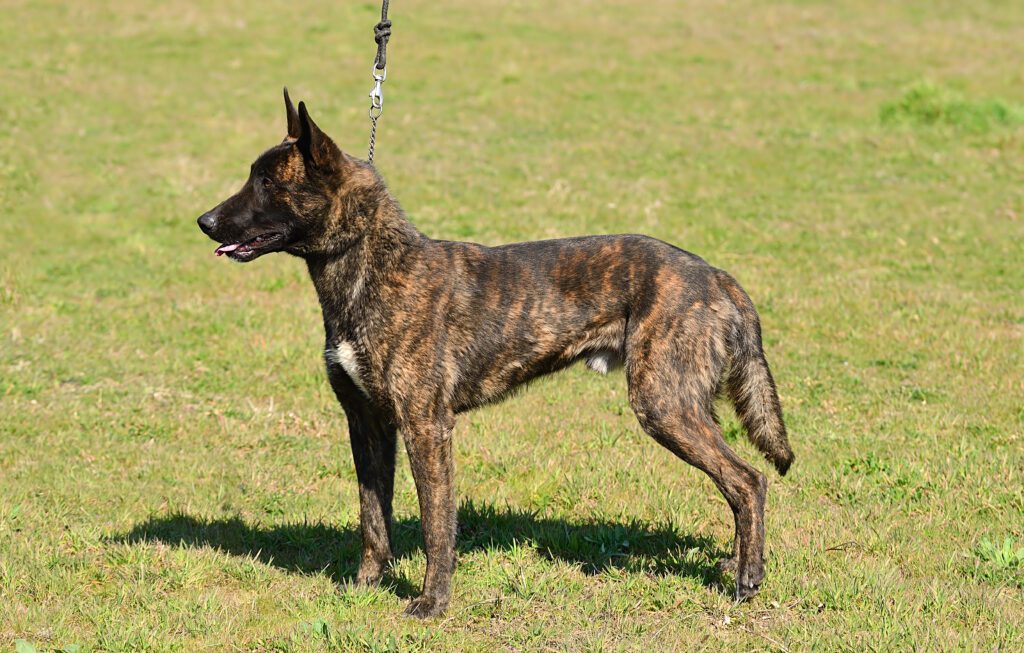
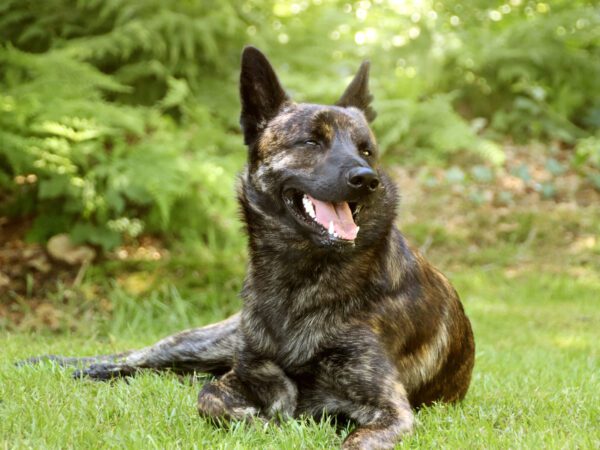
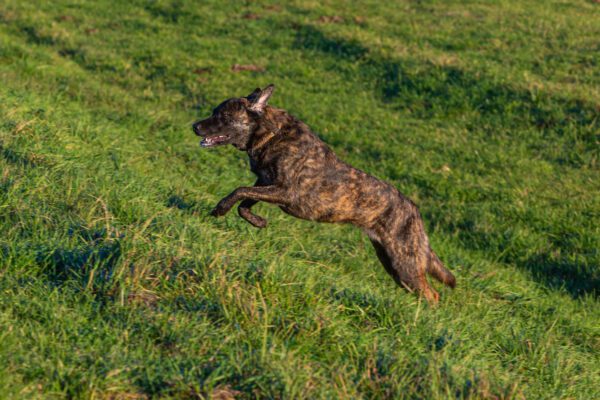
The Dutch Shepherd is a bright, athletic, and loyal working dog that bonds deeply with its family. This breed thrives on having a job, enjoys learning new skills, and stays happiest when daily exercise and mental challenges are part of the routine. If you want a confident, versatile companion for hiking, jogging, or dog sports, a Dutch Shepherd can be a rewarding match.
Research matters before you bring any working breed home. A Dutch Shepherd needs clear structure, consistent training, and time with you. Adoption is a thoughtful way to welcome this breed because you give a dog a second chance while gaining honest information from caregivers who already know the dog’s needs and personality.
Nebraska offers wide open spaces, dog-friendly trails, and a strong outdoor lifestyle that suits an energetic herding breed. The state’s winters are cold and windy, which a Dutch Shepherd’s double coat can handle with proper protection and short breaks indoors. Summers can be hot and humid, so early or late activity, shade, and water are important. Urban living in Nebraska can also work if you commit to daily exercise, structured training, and enrichment.
You can skip separate searches of local shelters and rescues by browsing statewide listings on Dog Academy. You will find adoptable Dutch Shepherds, detailed profiles, and tools that help you compare options across Nebraska in one place. You can also access educational guides and adoption checklists that make each step clear and organized.
In Nebraska, available Dutch Shepherds appear through local animal shelters, regional rescues, breed-specific rescue groups, and foster networks. Some organizations transfer dogs in from other states when demand and space allow. When transfers occur, rescues often arrange transport to move dogs safely between locations, and they coordinate schedules with fosters and adopters.
The process usually starts with browsing listings and submitting an application. Applications often request personal references, proof of address, and landlord approval when you rent. Many groups ask about your schedule, fencing, training plan, and experience with active breeds. After the application review, you can expect a meet-and-greet with the dog and with any resident pets to confirm compatibility.
Home checks are common and can be virtual or in person. A home check confirms that your space is secure, that hazards are addressed, and that you have a plan for exercise and training. Approval timelines vary by group and by dog, but many Nebraska adopters complete the process in 1 to 3 weeks. Some groups offer a foster-to-adopt period so you can confirm the match before finalizing the contract.
Dutch Shepherds are less common than many companion breeds, so you may need to broaden your search radius or join a waitlist. Set alerts on Dog Academy, keep your application current, and stay open to adults and young adults. Patience helps you find a dog whose energy level, social history, and training background fit your home.
|
How Much Does It Cost to Adopt a Dutch Shepherd in Nebraska?In Nebraska, expect adoption fees for a Dutch Shepherd to range from $250 to $500 for most adults and from $350 to $650 for puppies. The fee reflects medical care already provided and the resources invested in evaluation and placement. Fees are often higher for puppies and for dogs with advanced training, and they can be lower for seniors or dogs with special needs. Costs vary based on age, training, medical care, and local demand. Most adoption fees include spaying or neutering, vaccinations, microchipping, and veterinary exams. Many groups also include heartworm testing and treatment when needed. When a dog has completed obedience training or behavior work, the fee often reflects that added value. |
How Should I Train a Dutch Shepherd?The Dutch Shepherd is intelligent, eager, and quick to learn. This breed excels with positive reinforcement, clear markers, and short sessions that mix obedience, games, and problem solving. You can build focus by rewarding eye contact, settling on a mat, and calm behavior during daily routines. Common challenges include high energy, herding tendencies like nipping or chasing, and frustration when the dog does not get enough structure. You can prevent trouble by giving daily aerobic exercise, puzzle feeders, scent games, and training that teaches impulse control. Teach reliable recall, loose-leash walking, leave-it, and settle. Socialize thoughtfully with people and dogs in controlled settings to build confidence. Consistent practice keeps this working breed satisfied and polite. If you want step-by-step support, explore Dog Academy’s online training courses. You will find programs for puppies, basic manners, leash skills, recall, and enrichment that fit busy Nebraska schedules. Lessons use positive methods that help you channel drive without creating conflict. |

|
The ideal owner enjoys daily activity, values training, and wants a smart partner for work and play. A Dutch Shepherd does best with 60 to 90 minutes of exercise each day, plus mental work that asks the dog to think. A fenced area helps, but structured walks and training games can also meet needs in apartments and townhomes when you plan ahead.
Prepare before you bring your dog home. Set up a crate, enrichment toys, chew items, and a safe walking routine. Choose a veterinarian, schedule a wellness exam, and map out a training plan for the first 30 days. Take your time, ask questions, and rely on Dog Academy’s adoption resources to adopt a Dutch Shepherd in Nebraska with confidence.

Introducing a new puppy to your current dog is often an exciting process, and many dogs will become fast friends and eas...
Read More
Rescue dogs can make great companions and can transform your home into something better. These dogs make great pets and ...
Read More
You should never rush to pet a dog. Even dog owners make the mistake of approaching unfamiliar dogs and petting them rig...
Read More
Puppy mill dogs are survivors who have endured extreme hardships in their lives. They have grown up in horrendous, unsan...
Read More
With their wagging tails and comforting presence, adopting a dog can add a unique touch to your life. It’s a heart...
Read More
Older dogs may have a few gray hairs around the edges, but that doesn’t mean they can’t make wonderful companions! T...
Read More