

























































































































































































Introducing a new puppy to your current dog is often an exciting process, and many dogs will become fast friends and eas...
Read MoreAdopt Me

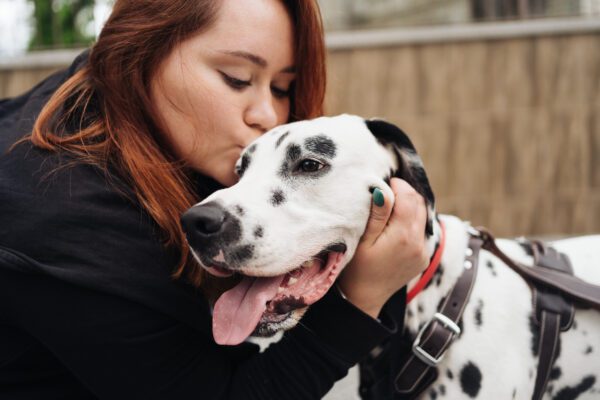
Dalmatians are energetic, intelligent, and devoted companions. They thrive with active families and enjoy structured routines. Many people love their striking coats and their eager, people-focused nature. A Dalmatian wants regular exercise, mental challenges, and clear guidance, which makes research before adoption essential.
Adoption is a compassionate choice because it opens space for another dog in need and often provides a pet that already has basic veterinary care. Adopting also helps you match personality and energy level to your home. New Hampshire suits many Dalmatians because the state offers trails, coastal paths, and quiet neighborhoods for daily walks. Cold winters require planning because the breed has a short coat and limited insulation. A warm jacket, dog-safe boots, and shorter winter outings keep a Dalmatian comfortable. Humid summers call for shade, hydration, and tick checks after forest hikes.
New Hampshire’s mix of small towns, forests, and mountains supports an active lifestyle. A Dalmatian does well when you schedule brisk walks, focused training, and play sessions every day. Apartment living can work when you commit to daily exercise and enrichment. A fenced yard is helpful but is not a substitute for structured activity.
You can avoid searching local rescues and shelters one by one by using Dog Academy to browse adoption listings in one place. You can also use Dog Academy guides and adoption checklists to plan each step with confidence. In New Hampshire, adoptable Dalmatians may appear through local animal shelters, regional rescues, and breed-specific rescue groups. Many organizations list dogs statewide and in nearby regions, which expands your options.
The process starts with browsing listings. Read each profile closely and note age, size, activity needs, and medical notes. Many Dalmatians are evaluated for hearing, and profiles may state results from a hearing screening. Good listings also include information about house manners and behavior around other pets and children. Make a shortlist of dogs that fit your routine and energy level.
Next, submit an application. Applications ask about your schedule, housing, experience with dogs, and plans for exercise and training. You may provide references and proof of landlord approval if you rent. Follow-up calls confirm the details and clarify your expectations. A meet-and-greet comes next. You spend time with the dog, practice a short walk, and observe how the dog responds to you and your family. If you have another pet, many groups request a controlled introduction to ensure safety.
Some organizations conduct a home check. A home check confirms safe fencing, secure trash, and proper storage of chemicals and medications. Approval timelines vary. Many adoptions finalize within 1 to 3 weeks, though puppies often take longer due to higher demand. If the right dog is in another state, transport is often arranged by rescues to move dogs between locations. Transport usually involves ground travel with a health certificate, a set schedule, and a pickup location. Some groups add a small transport fee that covers fuel and care during the trip.
|
How Much Does It Cost to Adopt a Dalmatian in New Hampshire?Expect to pay about $300 to $600 to adopt a Dalmatian in New Hampshire. Fees vary by age, training, and medical care. Puppies and young adults usually cost more because demand is high. Dogs that arrive with completed training can cost more because groups recoup investment in classes and handling. Medical factors also affect price. Hearing screenings, dental care, or treatment for infections can raise fees. Urban groups often have higher operating costs than rural groups, which can influence pricing. Adoption fees typically include spaying or neutering, vaccinations, microchipping, and veterinary exams. You may also see deworming, heartworm tests, and flea and tick prevention. Budget for supplies such as a crate, a bed, a winter jacket, secure booties for icy sidewalks, a harness, and quality food. Transport or licensing fees may be separate. |
How Should I Train a Dalmatian?Dalmatians are bright, energetic, and sensitive. They learn quickly when training feels fun and consistent. Use positive reinforcement, reward calm behavior, and keep sessions short and engaging. Rotate skills so the dog stays focused. Practice daily sits, downs, stays, and recall. Add impulse control games and leash skills to channel energy into good manners. Some Dalmatians test boundaries or become vocal when bored. Regular mental enrichment prevents trouble. Food puzzles, nose work, and structured play help your dog relax. Early socialization builds confidence around people, dogs, and novel environments. If you want step-by-step guidance, try Dog Academy’s online training courses. You can follow clear lessons for obedience, loose-leash walking, recall, crate training, and polite greetings. |
|
The ideal owner enjoys daily activity, clear routines, and patient training. A Dalmatian will reward that commitment with loyalty, laughter, and steady companionship. Prepare for winter care, plan enrichment for stormy days, and set a schedule you can keep.
Take time to research, ask questions, and compare options. Use Dog Academy to review current listings and to follow helpful checklists. The right match is worth the wait, and a thoughtful process creates a lasting partnership.

Introducing a new puppy to your current dog is often an exciting process, and many dogs will become fast friends and eas...
Read More
Rescue dogs can make great companions and can transform your home into something better. These dogs make great pets and ...
Read More
You should never rush to pet a dog. Even dog owners make the mistake of approaching unfamiliar dogs and petting them rig...
Read More
Puppy mill dogs are survivors who have endured extreme hardships in their lives. They have grown up in horrendous, unsan...
Read More
With their wagging tails and comforting presence, adopting a dog can add a unique touch to your life. It’s a heart...
Read More
Older dogs may have a few gray hairs around the edges, but that doesn’t mean they can’t make wonderful companions! T...
Read More