


























































































































































































Introducing a new puppy to your current dog is often an exciting process, and many dogs will become fast friends and eas...
Read MoreAdopt Me

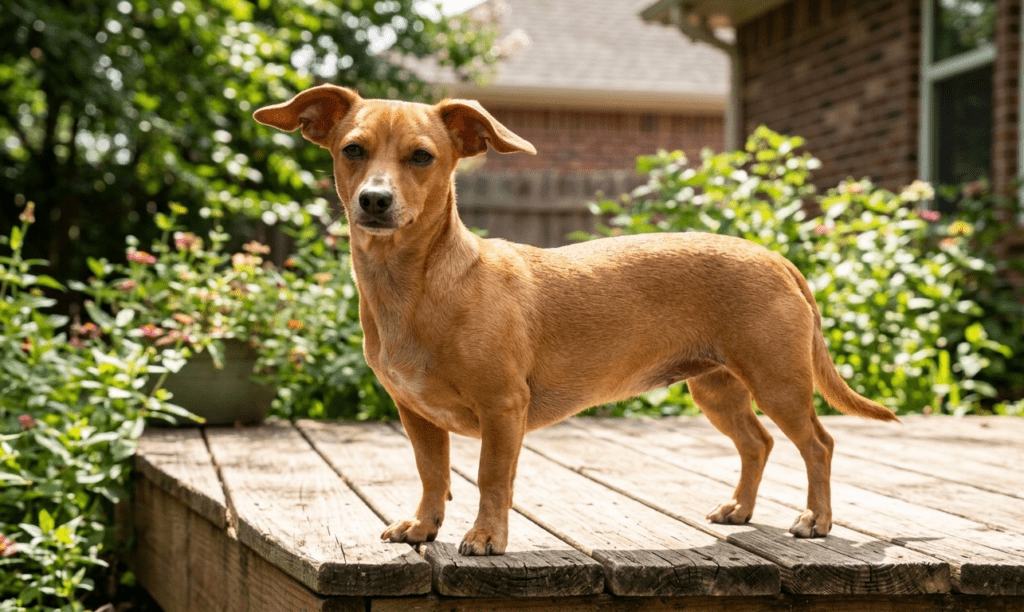
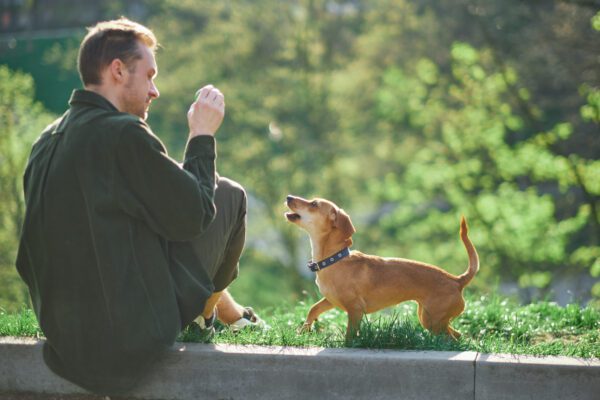
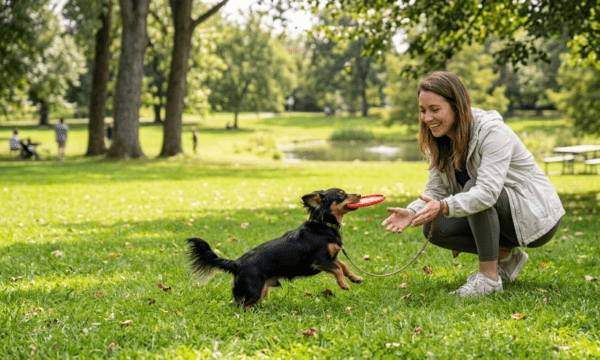
A Chiweenie is a small, lively companion that blends the Chihuahua’s spark with the Dachshund’s bold heart. Most Chiweenies are affectionate, people focused, and alert. Many love curling up on the couch after a short play session. They can be talkative and wary of strangers, so thoughtful socialization matters. Before you adopt, research the breed’s needs, including regular mental enrichment, gentle handling, and consistent house training. Adoption gives a dog a second chance, supports community animal welfare, and often provides more transparency about temperament than buying from a seller.
Nebraska offers a good fit for many Chiweenies when owners plan for the climate. Winters can be cold, windy, and snowy, so a warm coat, booties, and short outdoor sessions keep a small dog comfortable. Summers can be hot and humid, so walks in the morning or evening and plenty of water reduce heat stress. The state’s mix of cities, towns, and rural spaces suits a Chiweenie that enjoys short daily walks and indoor play. Secure fencing and close supervision are important because small dogs can slip through gaps and may chase wildlife. Stairs and big jumps can strain a Dachshund-like back, so ramps and carpet runners help protect the spine.
You can skip searching rescues and shelters separately by browsing adoptable dogs through Dog Academy. The listings help you compare profiles in one place, which saves time and reduces missed opportunities. Dog Academy also provides educational guides and adoption checklists that help you prepare with confidence.
In Nebraska, you can find Chiweenies through local animal shelters, regional rescues, breed-specific rescue groups, and foster-based networks. Start by browsing profiles, reading each dog’s bio, and confirming fit with your home, schedule, and resident pets. When you see a match, submit an application that includes personal references, proof of identification, veterinary history for current pets, and landlord approval if you rent. Clear, complete information speeds review and puts you in a strong position for approval.
After your application, most organizations arrange a meet-and-greet at a shelter, an adoption center, or a foster home. Many groups also schedule a home check to confirm safety, which can be a virtual video tour or an in-person visit. If all looks good, you receive an approval and a pickup date. Timelines vary by group, but many adoptions in Nebraska move from application to decision in 3 to 14 days. Puppies and dogs with high demand may take longer due to additional screening.
Some rescues place dogs across regions to help more animals find homes. When distance is a factor, transport is often arranged by rescues to move dogs between locations. Transport can involve volunteer drivers or licensed carriers who move pets along a planned route. Adopters may meet at a central handoff point and may pay a modest transport fee that covers fuel and care during travel. Always confirm health certificates, vaccination records, and transfer agreements before pickup.
|
How Much Does It Cost to Adopt a Chiweenie in Nebraska?Most adopters in Nebraska can expect to pay about $225 to $425 to adopt a Chiweenie. Puppies often land near the top of that range, and some may reach $500 due to higher demand and early veterinary care. Fees vary based on age, training, medical care, and local demand. A well-socialized adult that has completed basic training may cost less than a young puppy that requires more veterinary visits and supplies. Adoption fees typically include spaying or neutering, vaccinations, microchipping, and veterinary exams. Many groups also provide deworming, flea and tick prevention, and a starter bag of food. These services reduce your first-month costs and help your new dog arrive healthy and ready to settle in. |
How Should I Train a Chiweenie?Chiweenies are bright and eager to connect, yet they can be sensitive and strong willed. Short sessions, clear cues, and generous rewards work best. Use positive reinforcement with food, toys, and praise to mark the exact behavior you want. Keep lessons under 5 minutes and end on a win to build confidence and momentum. Focus early on socialization, house training, and polite greetings. A consistent potty schedule, frequent outdoor breaks, and a well-fitted crate support success with small bladders. For barking, teach a quiet cue, reward calm behavior, and manage triggers with distance and enrichment. Protect the back by limiting stairs and jumping, lifting with support under the chest and hind end, and using ramps for furniture. Mental stimulation matters, so add scent games, food puzzles, and short training games throughout the day. For step-by-step help at home, explore Dog Academy’s online training courses. Courses cover foundation skills, loose-leash walking, enrichment, and behavior solutions tailored to small, sensitive breeds. Clear videos and coaching help you stay consistent and make progress at a steady pace. |

|
The ideal Chiweenie adopter enjoys close companionship, provides daily short walks, and commits to kind, consistent training. A stable routine, gentle handling, and smart management help this small dog thrive. Preparation sets you up for success, including supplies, a safe rest space, a veterinary appointment, and time off to bond during the first week.
Take your time, ask thoughtful questions, and review each profile with care. When you are ready, use Dog Academy to find available Chiweenies, understand the process, and bring home the right match for your Nebraska lifestyle.

Introducing a new puppy to your current dog is often an exciting process, and many dogs will become fast friends and eas...
Read More
Rescue dogs can make great companions and can transform your home into something better. These dogs make great pets and ...
Read More
You should never rush to pet a dog. Even dog owners make the mistake of approaching unfamiliar dogs and petting them rig...
Read More
Puppy mill dogs are survivors who have endured extreme hardships in their lives. They have grown up in horrendous, unsan...
Read More
With their wagging tails and comforting presence, adopting a dog can add a unique touch to your life. It’s a heart...
Read More
Older dogs may have a few gray hairs around the edges, but that doesn’t mean they can’t make wonderful companions! T...
Read More