
































































































Introducing a new puppy to your current dog is often an exciting process, and many dogs will become fast friends and eas...
Read MoreAdopt Me

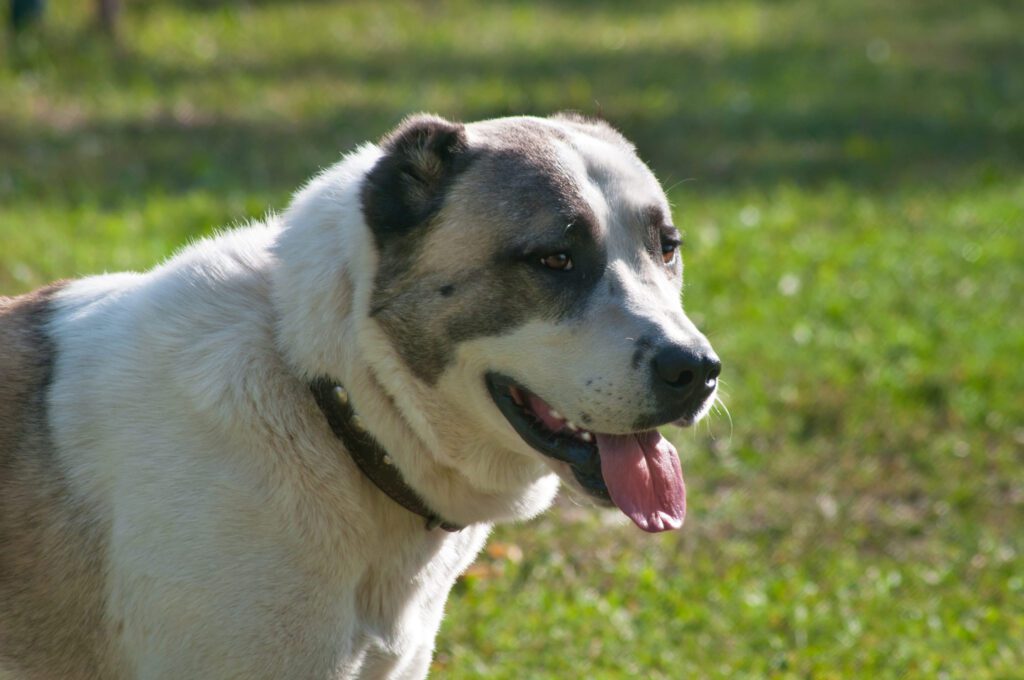


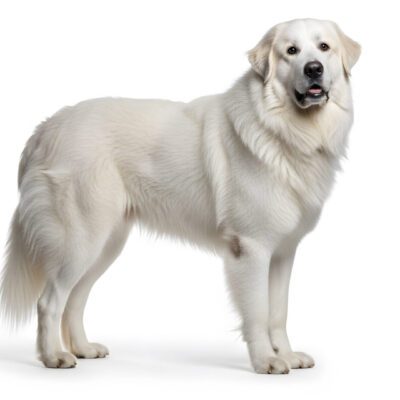
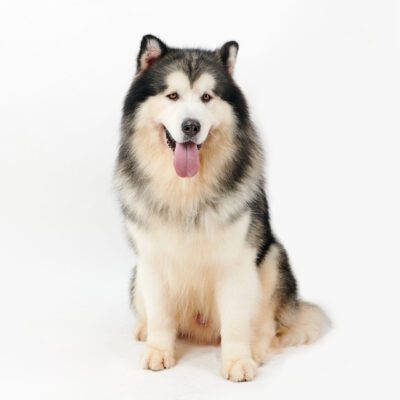
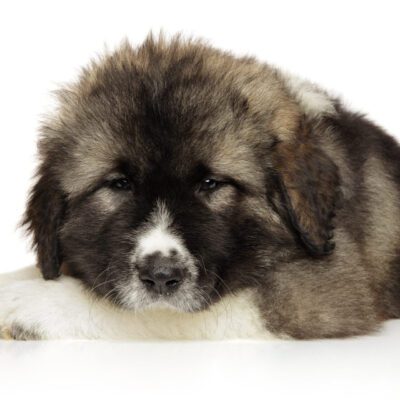
The Central Asian Shepherd is a powerful guardian breed known for calm confidence, steady loyalty, and strong protective instincts. These dogs thrive with structure, purpose, and clear boundaries. Careful research matters before you adopt because this breed is independent, large, and discerning with strangers, which requires thoughtful management and consistent training.
Adoption is a responsible way to welcome this breed because it gives a deserving dog a second chance while supporting community-based animal welfare. Nebraska can be a good fit thanks to its wide-open spaces and rural properties that suit a working guardian. The state’s cold winters generally suit the breed’s dense coat, while hot and humid summers require shade, water, and limited midday activity. Families who enjoy outdoor life, who can provide secure fencing, and who can commit to daily engagement will set a Central Asian Shepherd up for success.
Nebraska’s mix of farms, acreages, and quieter neighborhoods can help this breed relax and do well. Urban living can work when owners provide structure, controlled exposure to new places, and clear expectations. A Central Asian Shepherd that receives clear guidance, slow introductions, and purposeful outlets for its guardian instincts can become a devoted companion.
You can avoid searching through rescues and shelters one by one by starting with Dog Academy. You can browse adoptable Central Asian Shepherds and similar guardian breeds in one place, filter by location, and use educational guides and adoption checklists to prepare. You can also monitor new arrivals so you do not miss a great match.
Beyond centralized listings, you can check local animal shelters, regional rescues, and breed-specific rescue groups. These organizations often post detailed profiles that describe temperament, energy level, and home requirements. Reading profiles closely helps you understand whether a dog enjoys children, whether a dog is comfortable with other animals, and whether a dog has experience as a working guardian or a companion.
The process typically begins with browsing listings and submitting an application. Applications usually ask about fencing, experience with large guardian breeds, and daily schedule. After an initial review, many groups schedule a phone interview, request personal references, and verify landlord permission when relevant. Meet-and-greets allow you to observe the dog’s behavior in a neutral setting and to practice calm handling. Home checks confirm that fencing is secure and that spaces are safe. Approval timelines vary, but most adoptions move from application to decision within 1 to 3 weeks when communication is prompt.
Availability can be limited, so patience helps. Some groups consider out-of-area adopters when a strong match appears. Transport is often arranged by rescues to move dogs between states or regions when a suitable home is available. Transport can include volunteer drivers or professional services that follow veterinary and safety requirements. Clarify transport costs, travel timelines, and handoff procedures before you commit.

|
How Much Does It Cost to Adopt a Central Asian Shepherd in Nebraska?In Nebraska, you can expect a typical adoption fee of $250 to $500 for a Central Asian Shepherd. Puppies and young adults often fall near the top of that range, while seniors usually fall near the lower end. Fees tend to reflect medical care already provided, the dog’s age, the level of training completed, and local demand for large guardian breeds. Most fees help cover spaying or neutering, vaccinations, microchipping, and veterinary exams. Fees may also reflect dental cleanings, heartworm testing, deworming, or behavior support. If transport is involved, you may see an added charge that covers fuel, health certificates, or safe kenneling during travel. Planning a small reserve for equipment and training can help you start strong on day one. |
How Should I Train a Central Asian Shepherd?The Central Asian Shepherd is intelligent and thoughtful, yet often independent. These dogs learn quickly when the training plan is fair, consistent, and rewarding. Positive reinforcement builds trust and creates reliable behavior even when distractions appear. Short, focused sessions work best. Clear cues, generous reinforcement, and calm handling keep this breed engaged. Common challenges include selective recall, heightened territorial awareness, and pushy behavior when boundaries are unclear. You can prevent problems by reinforcing name recognition, building a rock-solid recall on a long line, and teaching calm stationing on a mat. You can also proof obedience around livestock, wildlife, and visitors in a controlled way. Early socialization should be slow and intentional so the dog learns to relax and look to you for guidance. For structured support, you can use Dog Academy’s online training courses to build leash skills, impulse control, and reliable obedience that respects the breed’s natural temperament. |

|
This breed suits experienced owners who value structure, who can maintain secure fencing, and who enjoy purposeful time outdoors. A patient, confident handler who provides daily mental work, steady routines, and fair rules will bring out the best in a Central Asian Shepherd.
Take time to research, prepare your home, and choose a dog that matches your lifestyle. When you move at a thoughtful pace, you give this remarkable guardian the stable start it deserves, and you set the foundation for a safe, loyal, and deeply rewarding partnership in Nebraska.

Introducing a new puppy to your current dog is often an exciting process, and many dogs will become fast friends and eas...
Read More
Rescue dogs can make great companions and can transform your home into something better. These dogs make great pets and ...
Read More
You should never rush to pet a dog. Even dog owners make the mistake of approaching unfamiliar dogs and petting them rig...
Read More
Puppy mill dogs are survivors who have endured extreme hardships in their lives. They have grown up in horrendous, unsan...
Read More
With their wagging tails and comforting presence, adopting a dog can add a unique touch to your life. It’s a heart...
Read More
Older dogs may have a few gray hairs around the edges, but that doesn’t mean they can’t make wonderful companions! T...
Read More