


























































































































































































Introducing a new puppy to your current dog is often an exciting process, and many dogs will become fast friends and eas...
Read MoreAdopt Me
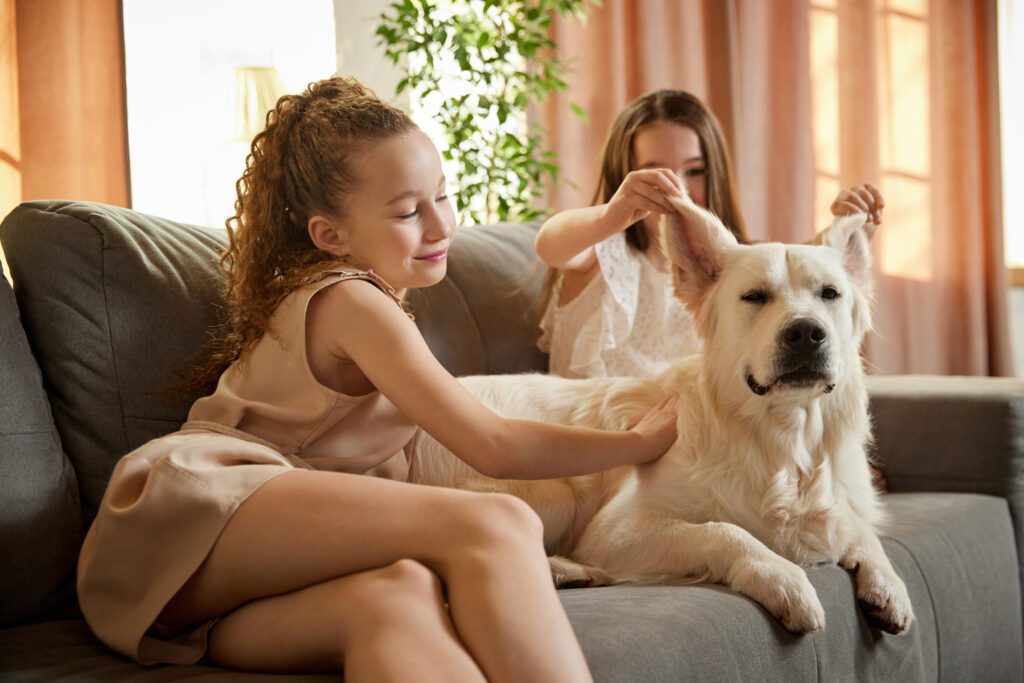
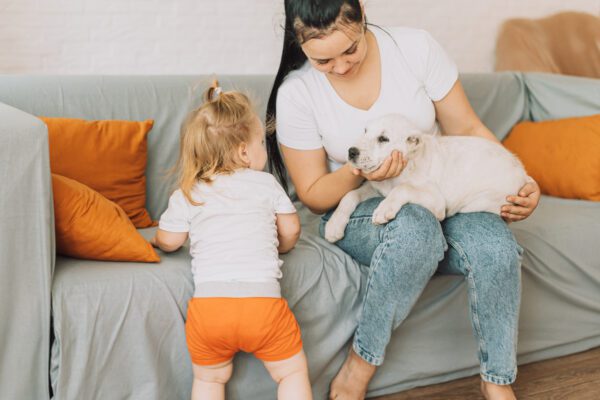
The Akbash is a calm, confident livestock guardian that bonds deeply with its family and watches over home and property with quiet vigilance. This large, white-coated dog is gentle with people it trusts and reserved with strangers, which makes thoughtful socialization and steady leadership essential. Careful research matters because the Akbash is independent and protective, and it thrives when its instincts are understood and respected.
Adoption gives a deserving dog a second chance while supporting the lifesaving work of shelters and rescues. Nebraska can be a great fit for an Akbash, especially for adopters who live on acreage or in a home with a secure yard. Apartment life is usually challenging due to the breed’s size, guarding instincts, and vocal alerts.
Nebraska’s climate and geography also matter. The Akbash tolerates cold and wind well thanks to its dense double coat, which suits Nebraska winters. Hot, humid summers require shade, cool rest periods, and ample water to prevent overheating. Rural properties and open plains can stimulate the breed’s watchfulness, so reliable fencing, supervised yard time, and consistent training help channel that instinct safely.
You can avoid searching for rescues and shelters separately by starting with Dog Academy adoption listings, which help you see available dogs in one place. You can also check local animal shelters, regional rescues, and breed-specific rescue groups that evaluate temperament and place dogs in homes that match their needs. Reading each profile closely helps you find an Akbash whose energy level, space requirements, and social history fit your lifestyle.
The process begins by browsing listings and submitting an application that shares your home setup, fencing details, work schedule, and experience with large or guardian breeds. Many groups request references and landlord approval if you rent. Clear, complete answers build trust and speed the review because coordinators must confirm that your environment can keep a strong, independent guardian safe.
After the application, expect a phone interview to discuss training plans and daily routines. A home check often follows to verify secure fencing and safe containment because Akbash dogs can be skilled problem solvers. Next comes a meet-and-greet at a shelter, a foster home, or a neutral location to confirm the match with all family members and resident pets. If the right dog is outside your area, some rescues arrange transport between locations by using vetted drivers or partner services, and they guide you on pickup logistics and health paperwork that keeps the dog safe during travel.
Approvals usually take 1 to 3 weeks depending on application volume, reference responses, and scheduling for home checks and meet-and-greets. Once approved, you sign an adoption contract, pay the fee, and receive medical records and care instructions. Dog Academy offers helpful educational guides and adoption checklists that make the first weeks smoother and more predictable for both you and your new dog.
|
How Much Does It Cost to Adopt a Akbash in Nebraska?In Nebraska, most adopters pay $200 to $450 to adopt an Akbash from a shelter or rescue. Fees reflect the care already provided, which commonly includes spaying or neutering, vaccinations, microchipping, and veterinary exams. Costs vary with age, training and manners work completed, medical care provided beyond routine procedures, and local demand for livestock guardian dogs. Some groups may add a separate transport fee when they arrange safe travel between locations, which covers fuel and required health documentation. Budget for post-adoption essentials as well. A properly fitted collar and harness, a long line for recall practice, a crate, quality food, and an initial veterinary visit help your Akbash settle in safely and comfortably. |
How Should I Train a Akbash?The Akbash is intelligent and observant, yet it is bred to make independent decisions. Training works best when it builds trust and invites cooperation. Use positive reinforcement with high-value rewards, calm handling, and short, focused sessions that end on success. Consistency matters because this breed notices patterns and responds to fair rules delivered the same way every time. Prioritize foundation skills that support real-life control. Teach name recognition and check-ins, loose-leash walking, a reliable recall with a long line, and a solid settle on a mat. Introduce a quiet cue to reduce nuisance barking by rewarding calm moments before arousal escalates. Begin early socialization with friendly people and steady dogs, and supervise introductions to livestock or small animals to prevent chasing. A secure fence, gate routines, and impulse control at doorways help a strong guardian dog make good choices. Structured guidance accelerates progress. You can follow step-by-step lessons with Dog Academy’s online training courses, which cover polite leash skills, dependable recall, cooperative care for grooming and vet visits, and confidence-building games tailored to large, independent breeds. |
|
The ideal adopter for an Akbash is patient, consistent, and comfortable leading a large guardian breed. A home with a secure yard, time for daily exercise and training, and a commitment to socialization sets this dog up for success. Families can thrive with an Akbash when adults manage introductions, supervise interactions, and teach respectful behavior to children and visitors.
Prepare before you bring your dog home. Gather supplies, choose a veterinarian, plan a quiet decompression period, and map out your first 2 weeks of training. Take your time, ask questions, and use expert resources. When you are ready to adopt a Akbash in Nebraska, explore listings and educational guides through Dog Academy to find a safe, thoughtful match that lasts a lifetime.

Introducing a new puppy to your current dog is often an exciting process, and many dogs will become fast friends and eas...
Read More
Rescue dogs can make great companions and can transform your home into something better. These dogs make great pets and ...
Read More
You should never rush to pet a dog. Even dog owners make the mistake of approaching unfamiliar dogs and petting them rig...
Read More
Puppy mill dogs are survivors who have endured extreme hardships in their lives. They have grown up in horrendous, unsan...
Read More
With their wagging tails and comforting presence, adopting a dog can add a unique touch to your life. It’s a heart...
Read More
Older dogs may have a few gray hairs around the edges, but that doesn’t mean they can’t make wonderful companions! T...
Read More