



























































































































































































Introducing a new puppy to your current dog is often an exciting process, and many dogs will become fast friends and eas...
Read MoreAdopt Me

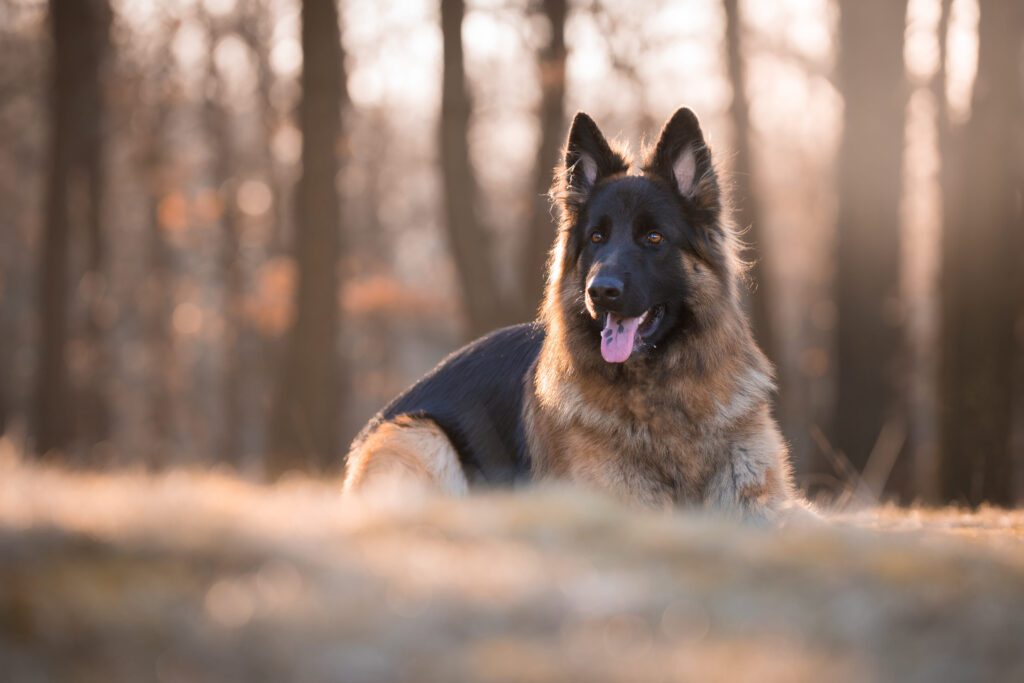
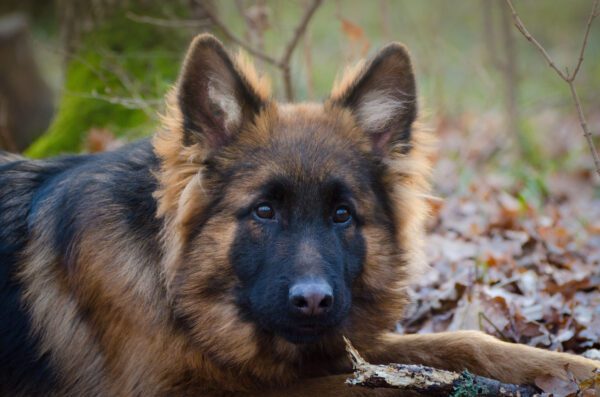
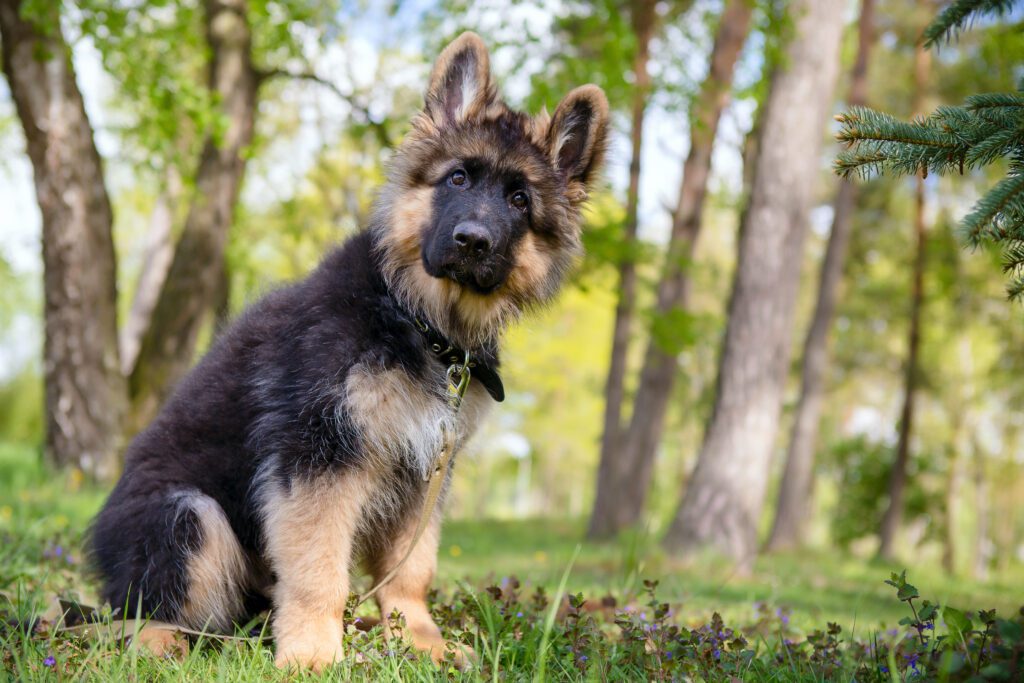
The King Shepherd is a large, confident, and devoted companion that blends intelligence with a calm, family-friendly nature. This breed thrives on purposeful activity and close bonds. A well-bred King Shepherd often shows steady nerves, strong work ethic, and gentle affection for trusted people. These dogs need daily exercise, mental enrichment, and clear guidance to reach their full potential.
Before you adopt a King Shepherd in California, take time to study the breed’s needs and your own routine. Adoption gives a dog a second chance and often provides post-adoption support that helps families succeed. You can give a home to a dog that already has some training and health care. Many adopters also value that adoption reduces demand for commercial breeding and helps local animal welfare systems.
California offers an active lifestyle that can suit a King Shepherd well. Coastal regions provide mild weather that works for a thick double coat. Inland and desert areas bring heat that requires early walks, shade, and steady hydration. Mountain trails and open spaces can be a dream for adventure, while dense urban neighborhoods can work with structured exercise and solid training. Plan your schedule around the climate in your area and choose activities that protect your dog from heat and rough terrain.
You can skip searching rescues and shelters one by one by using Dog Academy’s adoption listings, which pull opportunities into one place. Start with Dog Academy to browse available dogs and to access educational guides and adoption checklists. These resources help you move from interest to approval with fewer surprises.
In California you will find King Shepherds through local animal shelters, regional rescues, breed-specific rescue groups, and foster networks. Some groups list dogs across several counties. Transport is often arranged by rescues to move dogs between locations when a better match or open foster spot exists. Ask how transport works, who handles safety, and when the dog can arrive.
Begin by browsing listings and reading each profile closely. Most applications ask about your housing, yard or containment plan, work schedule, training experience, family members, and other pets. You may need proof of landlord approval or homeowner rules. Clear answers show that you understand the breed’s size, exercise needs, and care requirements.
If your application moves forward, the group will schedule a meet-and-greet or a virtual call. Many organizations complete a home check to confirm secure fencing, safe storage of chemicals, and a calm area for decompression. Approval timelines vary, but many adopters in California complete the process in 1 to 3 weeks. After approval you sign an adoption contract, pay the fee, and receive medical records along with microchip transfer details. Most groups offer post-adoption support and training referrals to help your new dog settle in.
|
How Much Does It Cost to Adopt a King Shepherd in California?Most adopters in California pay between $250 and $550 to adopt a King Shepherd. Fees tend to sit toward the lower end for adult dogs from municipal shelters and toward the higher end for puppies or dogs under active medical care with rescue groups. Urban demand and the dog’s training level can also influence pricing. Adoption fees usually include spaying or neutering, vaccinations, microchipping, and veterinary exams. Fees may also reflect recent treatments for infections, orthopedic evaluations, dental cleanings, or behavioral support. Ask for an itemized summary so you know exactly what is covered and what follow-up care you will need to schedule after pick-up. |
How Should I Train a King Shepherd?The King Shepherd is intelligent and eager to work, which makes training efficient when you use clear structure and reward-based methods. This breed often excels in obedience, tracking, and agility. Consistent routines, frequent reinforcement, and short daily sessions help your dog retain new skills and stay motivated. Common challenges include strong pulling due to size, alert barking, and protective or herding tendencies when under-socialized. Focus on calm leash manners, impulse control, and steady exposure to people, dogs, and environments. Reward quiet attention, relaxed body language, and loose-leash walking. If you want a guided plan, explore Dog Academy’s online training courses, which provide step-by-step lessons for manners, reactivity, and leash skills designed for large, intelligent breeds. |
|
The ideal home for a King Shepherd is an active household that enjoys training, plans daily exercise, and values a loyal guardian. A secure yard, access to safe walking routes, and time for enrichment games help this breed thrive. Families that communicate clearly and maintain routines will see a confident, affectionate partner emerge.
Prepare your home, review your schedule, and learn the breed’s needs before you apply. Take your time to meet candidates and ask detailed questions. When you feel ready, use Dog Academy’s tools to adopt a King Shepherd in California with confidence and begin a lifetime of teamwork and adventure.

Introducing a new puppy to your current dog is often an exciting process, and many dogs will become fast friends and eas...
Read More
Rescue dogs can make great companions and can transform your home into something better. These dogs make great pets and ...
Read More
You should never rush to pet a dog. Even dog owners make the mistake of approaching unfamiliar dogs and petting them rig...
Read More
Puppy mill dogs are survivors who have endured extreme hardships in their lives. They have grown up in horrendous, unsan...
Read More
With their wagging tails and comforting presence, adopting a dog can add a unique touch to your life. It’s a heart...
Read More
Older dogs may have a few gray hairs around the edges, but that doesn’t mean they can’t make wonderful companions! T...
Read More