

















































































































































Introducing a new puppy to your current dog is often an exciting process, and many dogs will become fast friends and eas...
Read MoreAdopt Me

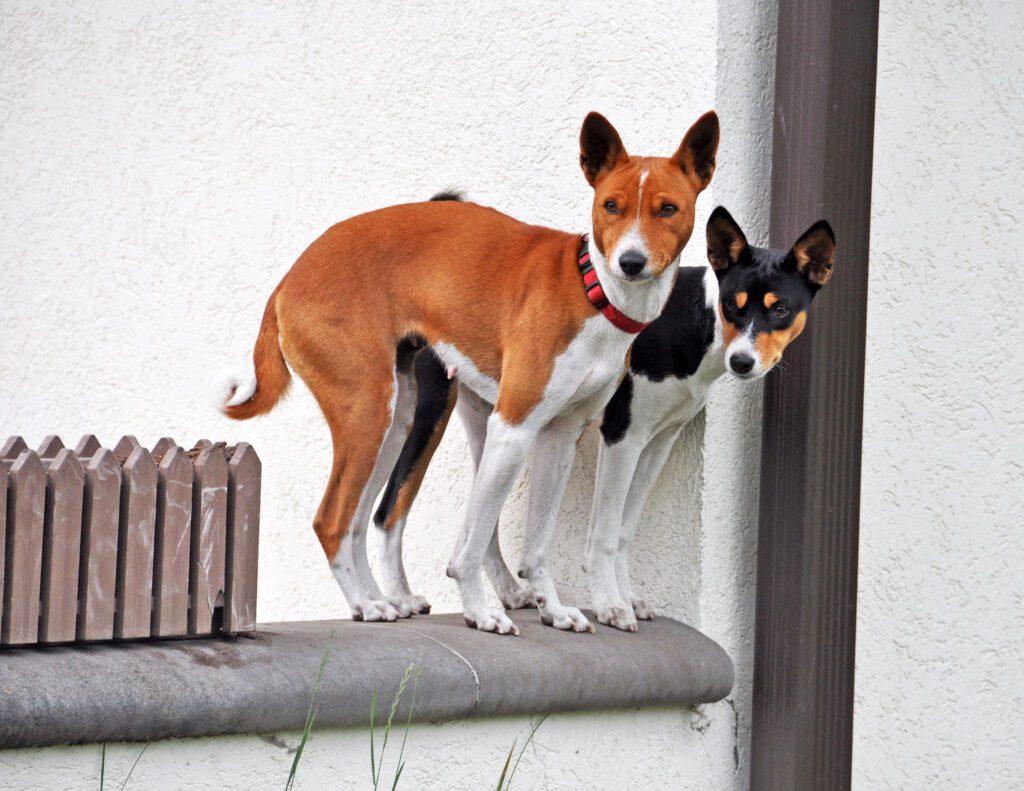
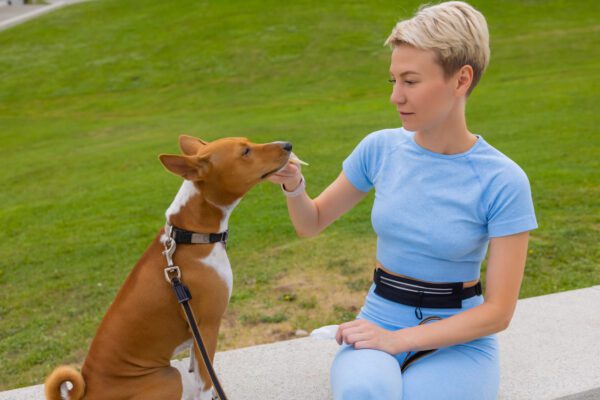
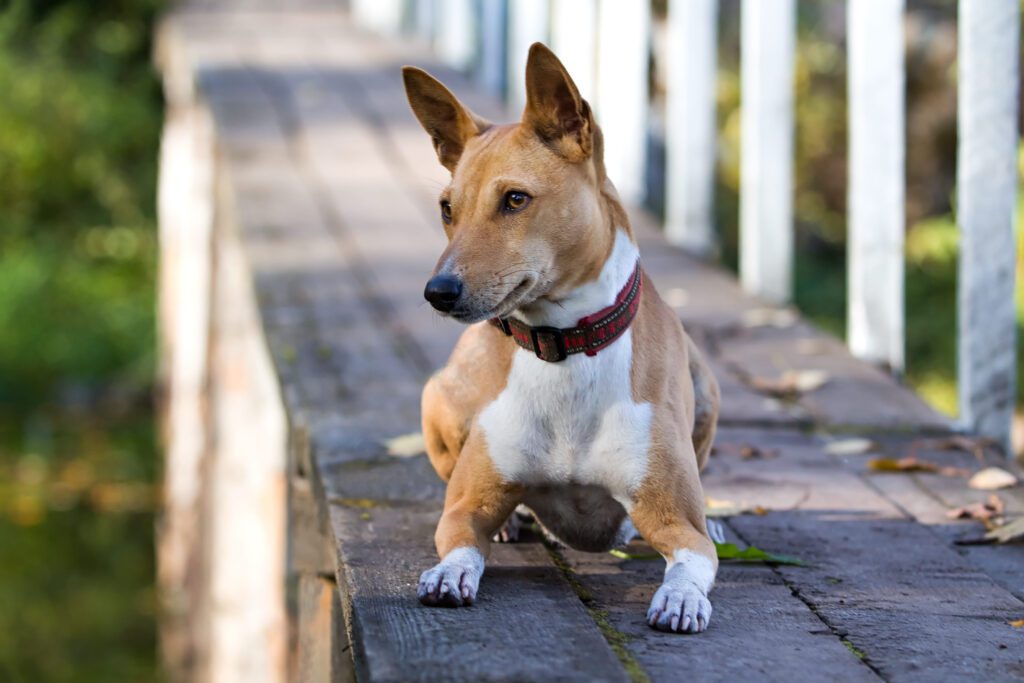
The Basenji is a compact, athletic hound with a catlike personality. The breed stays clean, sheds lightly, and has very little odor. A Basenji bonds closely with family, stays curious, and prefers to think independently. The breed rarely barks but can yodel, growl, or chortle when excited. The Basenji is swift, alert, and always ready to chase, which reflects strong sighthound roots.
Thoughtful research leads to a happy match. Adoption allows you to give a deserving dog a second chance while supporting responsible animal care. Many Basenjis in rescue are adults with known temperaments and energy levels, which helps you choose a dog that fits your home and lifestyle.
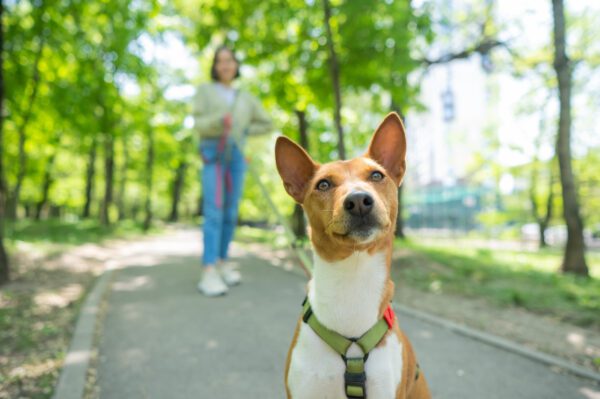
California offers great outdoor opportunities for an active Basenji. Coastal areas have mild weather that suits regular walks and training outings. Inland and desert regions can be hot, which means you must plan shade, hydration, and rest. Mountain trails invite adventure, yet a Basenji should remain on leash due to a strong prey drive and limited recall. Urban living can work when you commit to daily exercise, secure fencing, and mental enrichment. Wildfire smoke and heat waves can limit outdoor time during parts of the year, so you should keep indoor enrichment ready.
You can skip searching shelters and rescues one by one by using the adoption listings from Dog Academy. You can browse statewide listings, filter by age and location, and learn what each dog needs. Dog Academy also provides educational guides and adoption checklists that help you prepare your home and plan a smooth transition.
Adoptable Basenjis appear through local animal shelters, regional rescues, breed-specific rescue groups, and foster networks. Start by browsing listings and saving dogs that match your experience, housing, and schedule. Read every profile closely, including notes about energy, reactivity, or medical needs. A careful read ensures you understand the breed’s independence and prey drive before you apply.
The application usually asks about your household, daily routine, training experience, and veterinary history. You may need to share proof of residence and landlord approval when you rent. Approval timelines vary by group, yet most decisions take 1 to 4 weeks once references and interviews are complete.
Meet-and-greets help you confirm the match. These visits may happen at a shelter, at a foster home, or at a neutral location. Some groups request a home check to confirm secure fencing, safe containment, and a quiet place for decompression. Many organizations offer a foster-to-adopt or trial period so everyone can adjust with support.
California has a large rescue network, and transport is sometimes arranged by rescues to move dogs between cities or states. Transport typically uses volunteer drivers or licensed carriers and requires health certificates, coordination, and clear pickup plans. Adopters may cover a modest transport fee when distance is involved.
|
How Much Does It Cost to Adopt a Basenji in California?Most Californians pay $350 to $650 to adopt a Basenji through a breed-focused rescue. Puppies and young adults often sit at the higher end due to demand and medical care. Local shelters can be lower, especially for mixed breeds, though prices vary by region and services included. Fees often cover spaying or neutering, vaccinations, microchipping, and veterinary exams. Costs rise when dogs receive dental work, diagnostics, or specialized treatment before adoption. Age, training, and medical history affect price. A well-socialized adult with basic manners may cost more than an untrained dog because training time saves adopters effort later. Demand in large metro areas can lift fees, while senior dogs or dogs with ongoing medical needs may cost less to encourage placement. Plan a starter budget for supplies, a crate, a secure leash and harness, food, and training, which often adds $150 to $400 in the first weeks. |
How Should I Train a Basenji?The Basenji is intelligent and observant, yet the breed values independence. Training works best when sessions are short, upbeat, and consistent. Positive reinforcement builds trust and motivation. Reward with high-value treats, toys, and chances to explore, and keep criteria clear so the dog always understands how to earn rewards. Common challenges include recall, impulse control, and boredom. A Basenji can chase wildlife or cats if given the chance, so you should practice long-line recalls and pattern games in safe spaces. Chewing and escape attempts signal unmet mental or physical needs. Rotate puzzle feeders, scent games, and novel routes to keep the mind engaged. Crate training and calm relaxation skills help a Basenji decompress at home and travel comfortably. If you want structured guidance, explore Dog Academy’s online training courses. Step-by-step lessons cover basics, loose-leash walking, recall foundations, and enrichment plans that fit a busy California lifestyle. |
|
The ideal Basenji adopter enjoys daily activity, values consistency, and appreciates an independent thinker. A secure yard, a reliable leash plan, and a calm routine help the breed thrive. Families with patient adults and older children often do well, especially when everyone follows the same rules and rewards.
Preparation leads to success. Take time to research, gather supplies, and plan a gentle decompression period. Move at the dog’s pace, use rewards generously, and ask for help when you need it. When you are ready to adopt a Basenji in California, start with clear goals, trust the process, and choose the dog that fits your home and heart.
Introducing a new puppy to your current dog is often an exciting process, and many dogs will become fast friends and eas...
Read More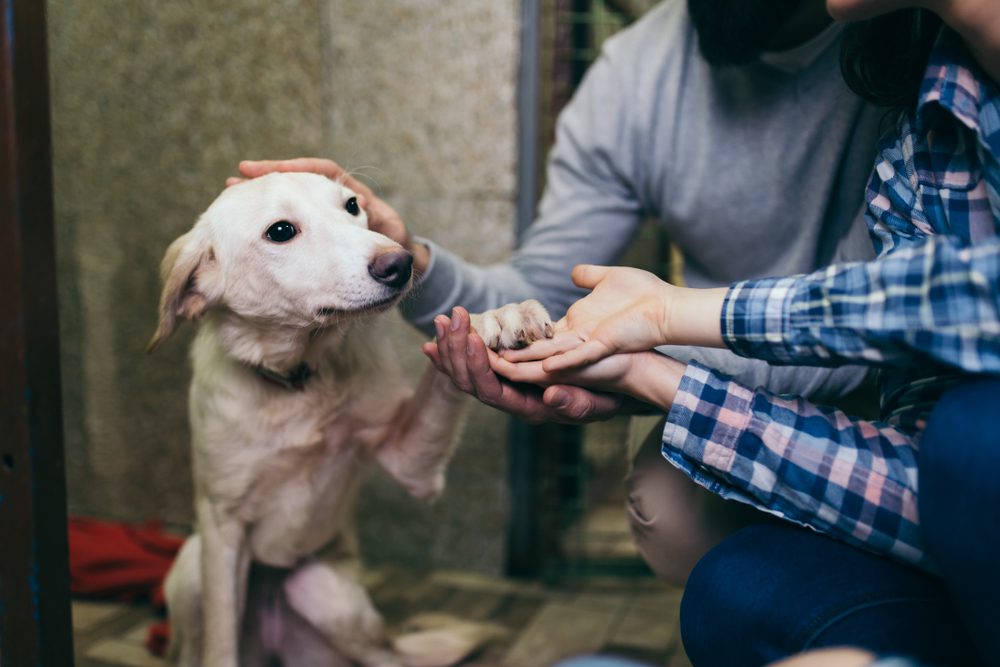
Rescue dogs can make great companions and can transform your home into something better. These dogs make great pets and ...
Read More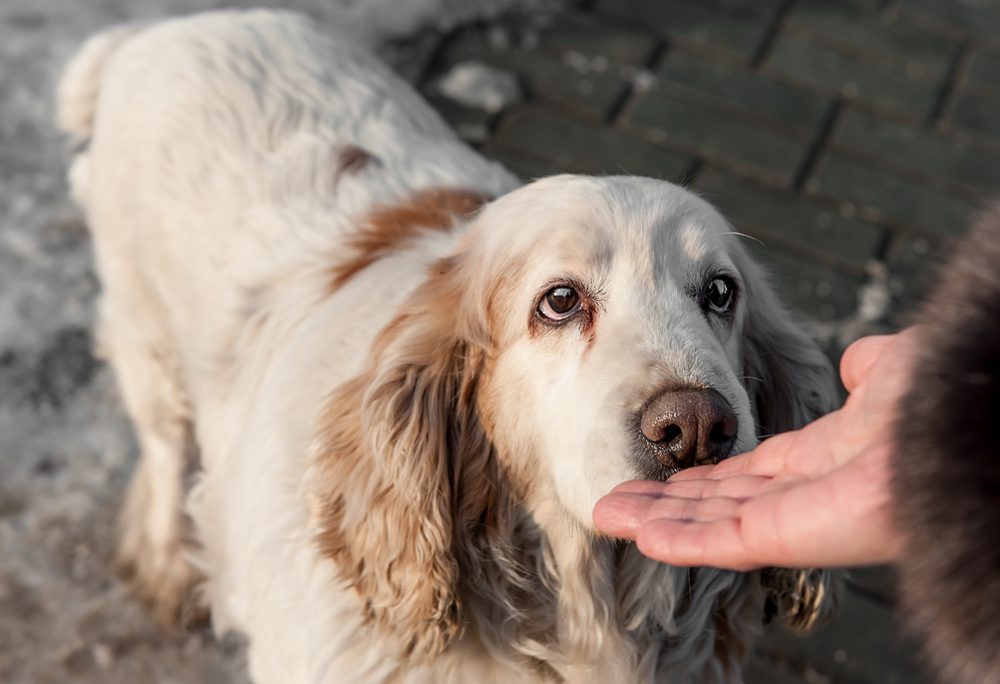
You should never rush to pet a dog. Even dog owners make the mistake of approaching unfamiliar dogs and petting them rig...
Read More
Puppy mill dogs are survivors who have endured extreme hardships in their lives. They have grown up in horrendous, unsan...
Read More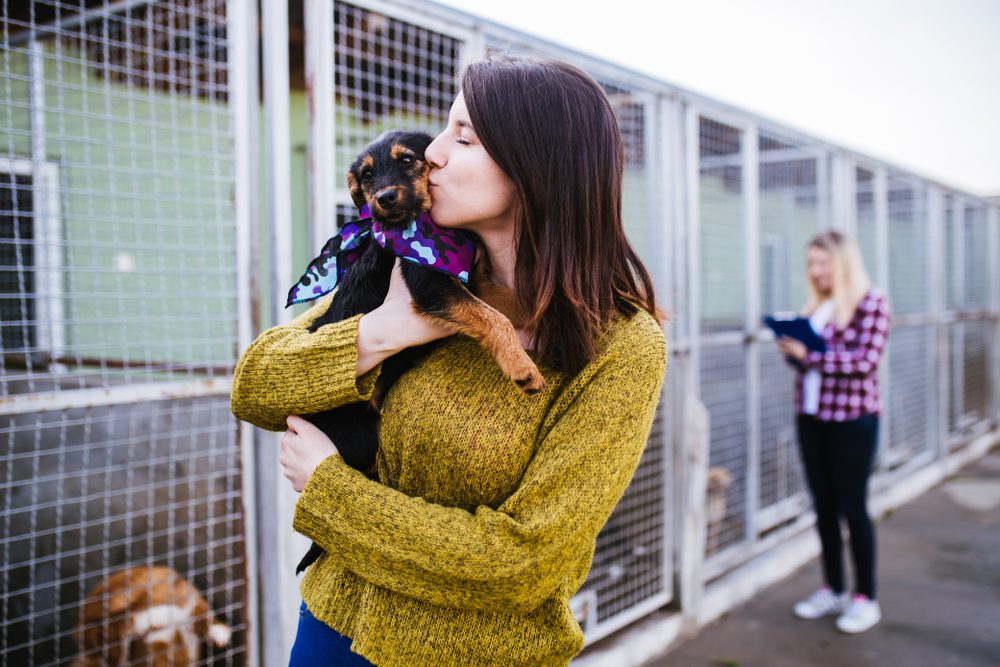
With their wagging tails and comforting presence, adopting a dog can add a unique touch to your life. It’s a heart...
Read More
Older dogs may have a few gray hairs around the edges, but that doesn’t mean they can’t make wonderful companions! T...
Read More