


























































































































































































Introducing a new puppy to your current dog is often an exciting process, and many dogs will become fast friends and eas...
Read MoreAdopt Me

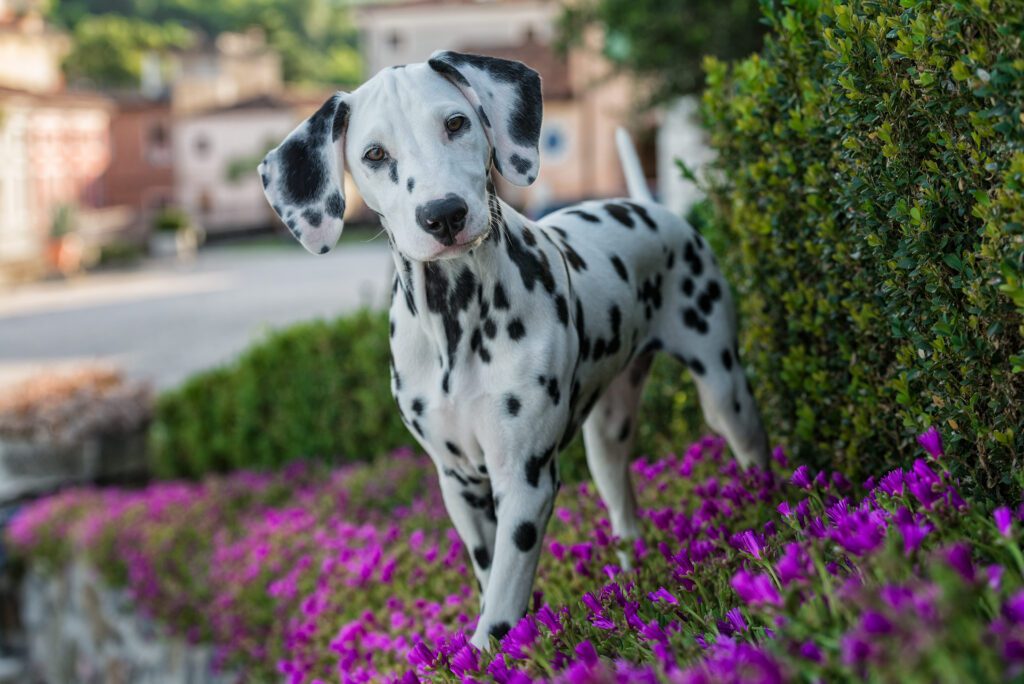
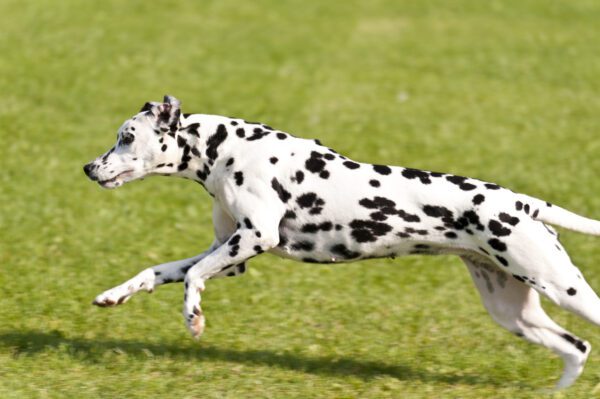
Dalmatians are energetic, intelligent, and affectionate dogs that love to work and play. The breed thrives with active people who enjoy daily walks, runs, hikes, and games. A Dalmatian often bonds closely with the family and prefers to stay involved in every part of daily life.
Research matters before you adopt a Dalmatian in California because this breed has unique needs. Dalmatians shed throughout the year, need consistent training, and require plenty of physical and mental exercise. The breed can be prone to urinary stones, which means careful hydration and a suitable diet are important. Adoption is a thoughtful choice because it gives a dog a second chance while also supporting responsible animal welfare in your community.
California offers many advantages for a Dalmatian, along with a few challenges. Coastal regions provide cooler temperatures for long outings, while inland areas can have intense summer heat that calls for shaded walks and early or late exercise. The state’s beaches, trails, and parks offer rich enrichment, yet wildfire smoke or extreme heat may require indoor activities and rest days. City apartments can work when you provide daily structured exercise and training, and suburban yards help when they include secure fencing and supervised play.
You can avoid searching for rescues and shelters separately by using Dog Academy to browse current Dalmatian adoption listings in one place. You can filter by age, size, and location, then bookmark favorites to compare. Dog Academy also provides educational guides and adoption checklists that help you prepare your home, your schedule, and your budget.
You can find adoptable Dalmatians through local animal shelters, regional rescues, and breed-specific rescue groups. Start by browsing listings to read each dog’s biography, age, temperament notes, and medical updates. You can look for signs of a good match, such as energy level, experience with children, and comfort around other dogs or cats. You can reach out to ask questions about exercise needs, training progress, and any special care.
Most groups use an application process that checks fit and readiness. You typically submit an application that explains your household, your daily routine, your training approach, and your plans for veterinary care. Many groups request references, landlord approval when you rent, and proof of identification. Timelines vary by group and by dog, yet most approvals in California take 1 to 3 weeks once your application is complete.
After an initial review, you can schedule a meet-and-greet with the dog, your family, and any resident pets. Some groups conduct a home check, which is a quick visit or video call that confirms safe fencing, secure gates, and space for rest and feeding. Many rescues use foster homes, which helps you learn about the dog’s habits in a real living environment. Some groups offer a short trial adoption so you can confirm the match before finalizing the contract.
Rescues sometimes arrange transport between locations to place the right dog with the right adopter. Transport is often arranged by rescues to move dogs between cities or states using volunteer drivers or professional pet transporters, and adopters usually meet at a safe pickup point. Finalizing the adoption includes signing a contract, paying the fee, receiving medical records, and transferring the microchip to your name.
|
How Much Does It Cost to Adopt a Dalmatian in California?Most adopters in California pay about $250 to $500 for an adult Dalmatian and about $350 to $650 for a Dalmatian puppy. Fees are often higher in major metro areas due to veterinary costs and demand. Adoption fees usually cover spaying or neutering, vaccinations, microchipping, and veterinary exams, and many groups also include deworming and a heartworm test. Puppies often cost more because they require multiple rounds of care and high demand increases competition. Age, training, medical care, and local demand all affect price. Adult dogs with completed training or recent dental work may cost more, and seniors with ongoing medication may be priced lower to encourage adoption. Medical updates completed while in care raise costs, yet they reduce your immediate expenses after you bring your dog home. You should also budget for a license, a quality diet, routine preventive care, training, and durable gear. |
How Should I Train a Dalmatian?Dalmatians learn quickly when training feels fun, consistent, and clear. The breed responds well to food rewards, toy play, and praise. Short sessions, simple steps, and frequent practice help a Dalmatian build strong habits. Positive reinforcement builds trust and enthusiasm, and it prevents conflict with a sensitive dog. Common challenges include pulling on leash, jumping when excited, and restless behavior when exercise is limited. Structured outlets for energy, such as brisk walks, jogging, agility games, and scent work, keep a Dalmatian calm at home. Many Dalmatians have partial or full hearing loss, which means hand signals, marker cues like a thumbs-up, and gentle vibration can replace verbal cues. You should teach a reliable recall, loose-leash walking, a solid stay, polite greetings, and a relaxed settle on a mat. You can build these skills with clear milestones through Dog Academy’s online training courses. Courses guide you step by step on socialization, impulse control, crate comfort, and enrichment that prevents boredom. A consistent plan helps your Dalmatian channel energy into learning and strengthens the bond you share. |
|
The ideal owner for a Dalmatian enjoys daily exercise, values structure, and practices kind, consistent training. Families that like outdoor time and also maintain calm indoor routines often do best. Households with children can succeed when adults supervise play, teach gentle handling, and provide rest breaks.
Preparation makes adoption smooth and rewarding. You can gather supplies, set a routine, review training goals, and talk through responsibilities with everyone in your home. You can take your time, meet several dogs, and ask detailed questions until you feel confident. When you are ready to adopt a Dalmatian in California, you can use Dog Academy to find a great match and to learn exactly how to welcome your new companion home with confidence.

Introducing a new puppy to your current dog is often an exciting process, and many dogs will become fast friends and eas...
Read More
Rescue dogs can make great companions and can transform your home into something better. These dogs make great pets and ...
Read More
You should never rush to pet a dog. Even dog owners make the mistake of approaching unfamiliar dogs and petting them rig...
Read More
Puppy mill dogs are survivors who have endured extreme hardships in their lives. They have grown up in horrendous, unsan...
Read More
With their wagging tails and comforting presence, adopting a dog can add a unique touch to your life. It’s a heart...
Read More
Older dogs may have a few gray hairs around the edges, but that doesn’t mean they can’t make wonderful companions! T...
Read More