




























































































































































































Introducing a new puppy to your current dog is often an exciting process, and many dogs will become fast friends and eas...
Read MoreAdopt Me

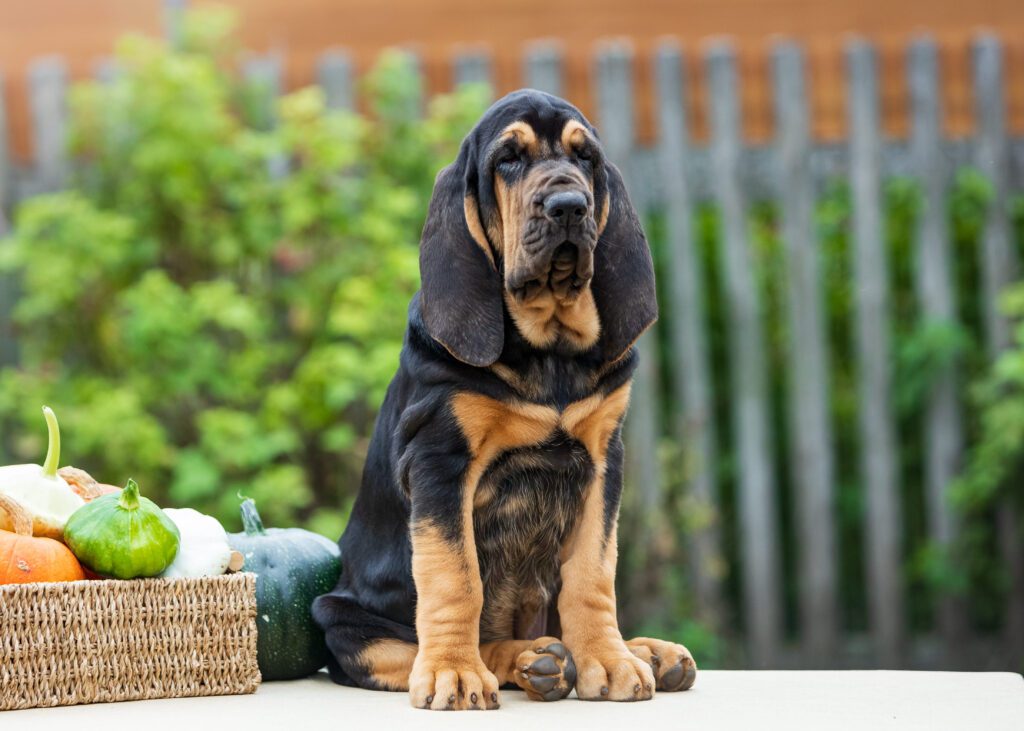

The Bloodhound is gentle, patient, and famously devoted. This large scent hound loves to work with its nose and then curl up with family. The breed bonds closely with people, stays tolerant with children when supervised, and uses a deep bay to communicate. Careful research is essential because a Bloodhound brings size, strength, and specific exercise needs that do not fit every home.
Adoption gives a dog a second chance and often places a well-matched companion with the right family. Choosing to adopt a Bloodhound in California also supports responsible animal welfare. California offers many opportunities for long walks and structured scent games. The state’s varied geography helps a Bloodhound thrive when owners use shady coastal trails, cooler morning hikes in inland areas, and safe fenced yards for sniffing sessions.
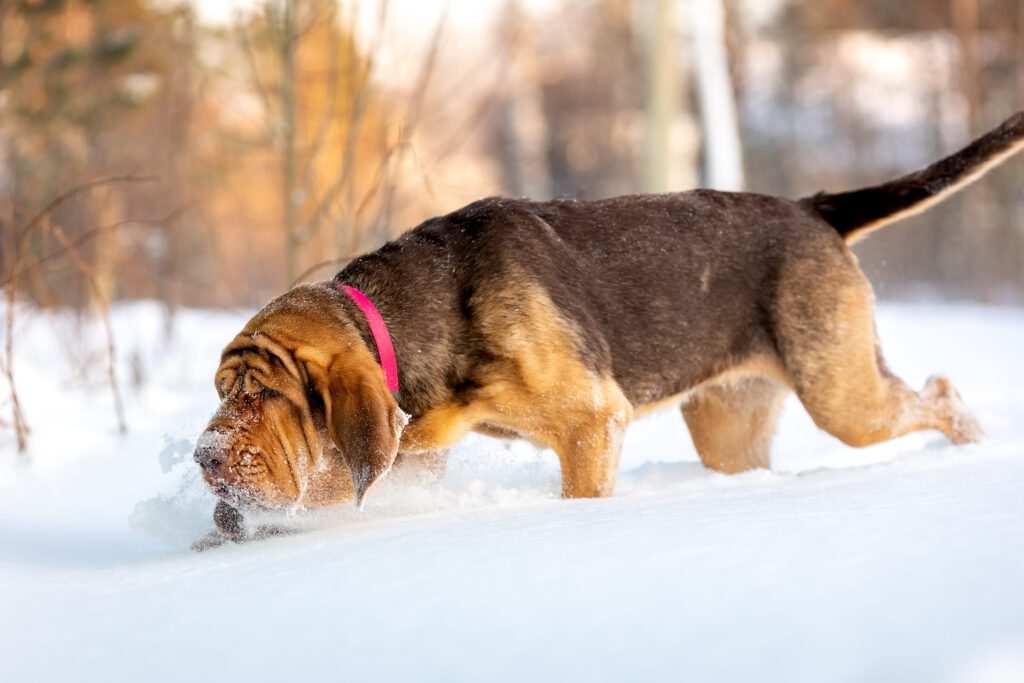
California’s climate varies widely by region. Coastal areas stay mild year-round, which suits a heavy-coated Bloodhound during exercise. Inland valleys and desert regions reach high summer temperatures, which means early walks, ample water, and enforced rest at midday. Mountain regions can be cold and snowy, which this sturdy breed manages with proper gear and paw care. Owners who plan activities around weather and terrain set their Bloodhound up for comfort and health.
You can avoid searching shelters and rescues one by one by browsing statewide listings on Dog Academy. You can filter for breed, age, and location, then follow an adoption checklist and educational guides to prepare your home. You can still contact local animal shelters, regional rescues, or breed-specific rescue groups if you want to cast a wider net, but a centralized listing saves time and keeps your search organized.
Start by browsing available dogs and reading each profile in full. Profiles typically include age, size, temperament notes, energy level, and any medical or training updates. A Bloodhound profile may mention leash-pulling, a strong prey drive, or a need for a secure fence, which are common for the breed. Understanding these notes helps you decide if the individual dog matches your lifestyle.
When you find a potential match, submit an application that includes information about your home, daily schedule, dog experience, and veterinary references. Many groups schedule a phone interview to discuss expectations and management plans. If you rent, the organization may request landlord approval to confirm pet policies. After the initial review, most groups arrange a meet-and-greet so everyone can evaluate fit and comfort.
Home checks are common and serve to confirm safety. A home check can be virtual or in person, and it reviews fencing, household hazards, and your plan for exercise and enrichment. Approval timelines vary by group and by dog. Many California adopters move from application to approval within 1 to 3 weeks when paperwork, references, and scheduling align. Some rescues offer trial periods to ensure the dog settles well. If your chosen Bloodhound is in another city, transport is often arranged by rescues to move dogs between locations using volunteer drivers or commercial partners with set safety protocols.

|
How Much Does It Cost to Adopt a Bloodhound in California?Most adopters pay between $300 and $600 to adopt a Bloodhound in California. Fees tend to land at the upper end for puppies and younger adolescents. Adults with basic training or recent medical care may also be priced near the top of the range. Senior dogs and dogs with special needs often have reduced fees within the same range to encourage placement. Costs reflect services already provided, which usually include spaying or neutering, vaccinations, microchipping, and veterinary exams. Fees can rise when a dog receives dental cleaning, ear infection treatment, or specialized diagnostics. Age, training history, medical care, and local demand all influence the final amount. Budget for initial supplies and ongoing care in addition to the adoption fee so you can support your Bloodhound from day one. |
How Should I Train a Bloodhound?The Bloodhound is intelligent and intensely scent-driven. The breed works best with positive reinforcement and clear structure. Food rewards and scent-based games keep focus high, while harsh corrections reduce motivation and trust. Short sessions build faster success because a Bloodhound can become absorbed in distracting smells. Common challenges include pulling on leash, selective recall, and excited baying. You can teach loose-leash walking with a front-clip harness, frequent reward points, and consistent pacing. You can improve recall with a long line, a distinctive cue, and jackpot rewards delivered every time the dog returns. You can reduce vocalization by meeting daily sniffing needs, reinforcing calm behavior, and teaching a settle cue for quiet relaxation. Structured enrichment is essential. Daily scent work, hide-and-seek with food, and controlled tracking outlets tire a Bloodhound’s mind. Crate training supports safe rest and travel. Impulse control skills like wait at doors and leave it help with manners in busy California neighborhoods and parks. For step-by-step support, you can follow Dog Academy’s online training courses, which provide video lessons, troubleshooting tips, and trainer-backed guidance tailored to real life. |
|
The ideal adopter enjoys outdoor time, values routine, and welcomes a large, affectionate companion. A Bloodhound needs daily sniffing walks, consistent training, and secure management at home. Families with patient leadership and room to roam often see the best results.
Preparation leads to success. Gather supplies, review training plans, and learn about the breed before you apply. Take time to meet a few dogs, ask detailed questions, and confirm that the dog’s needs match your lifestyle. When you adopt a Bloodhound in California with a thoughtful plan, you give a remarkable hound the stable, loving home it deserves.

Introducing a new puppy to your current dog is often an exciting process, and many dogs will become fast friends and eas...
Read More
Rescue dogs can make great companions and can transform your home into something better. These dogs make great pets and ...
Read More
You should never rush to pet a dog. Even dog owners make the mistake of approaching unfamiliar dogs and petting them rig...
Read More
Puppy mill dogs are survivors who have endured extreme hardships in their lives. They have grown up in horrendous, unsan...
Read More
With their wagging tails and comforting presence, adopting a dog can add a unique touch to your life. It’s a heart...
Read More
Older dogs may have a few gray hairs around the edges, but that doesn’t mean they can’t make wonderful companions! T...
Read More