




























































































































































































Introducing a new puppy to your current dog is often an exciting process, and many dogs will become fast friends and eas...
Read MoreAdopt Me



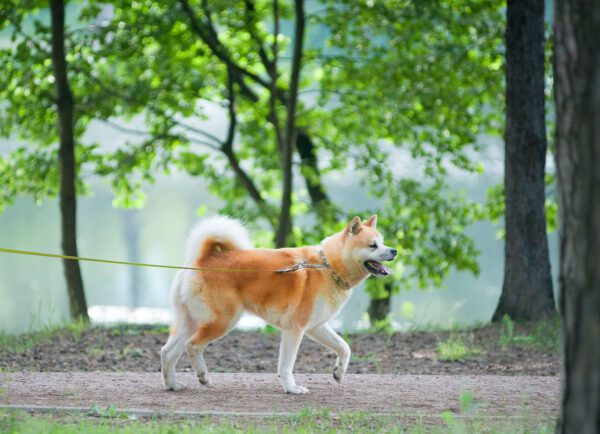
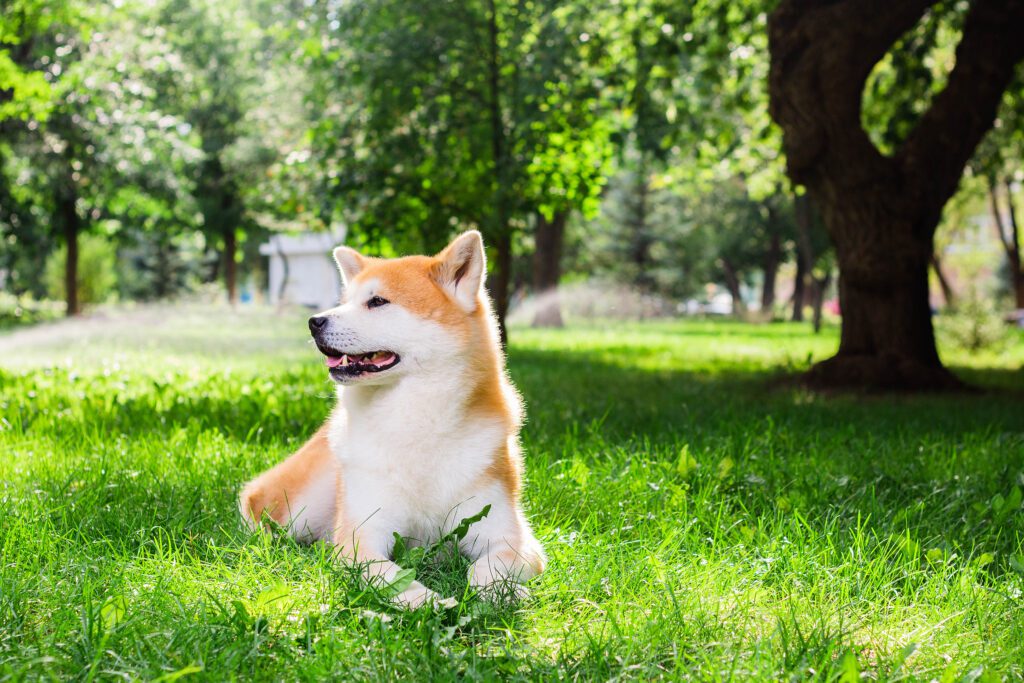
Akitas are loyal, confident, and deeply devoted to their families. The breed is known for dignified presence, strong protective instincts, and quiet intelligence. Many people love the calm companionship at home combined with an athletic, working-dog spirit outside. Careful research matters because Akitas are powerful, independent thinkers who need steady leadership and thoughtful socialization.
Adoption is a smart path for anyone who wants to give a dog a second chance while supporting responsible care. Adopting often provides transparent medical and behavior histories, post-adoption support, and a dog matched to your lifestyle. California offers a wide range of living environments, from cool coastal zones to hot inland valleys and snowy mountains. Akitas handle cool weather well, but they need shade, water, and rest during hot afternoons. Urban living in California can work with daily exercise, structured training, and consistent enrichment. Suburban or rural homes with secure fencing can also suit this breed, provided that supervision and training remain a priority.
You can save time by using Dog Academy to view adoptable Akitas from shelters and rescues in one place. You can browse current listings, learn about each dog, and follow clear steps without searching separate websites. Dog Academy also provides helpful educational guides and adoption checklists that explain what to expect before and after you bring a dog home.
In California, adoptable Akitas appear through local animal shelters, regional rescues, breed-specific rescue groups, and foster-based networks. Listings usually share age, size, temperament notes, and medical updates. Read every profile fully and match each dog’s needs with your home, schedule, and experience level. Akitas need confident handling, early socialization, and a calm routine. Make sure you are ready for double-coat grooming, strong leash manners, and thoughtful introductions to visitors and animals.
The adoption process typically starts by browsing listings, then submitting a detailed application. Applications usually ask about your living situation, experience with large breeds, household members, and current pets. Many groups request landlord or homeowners association approval when applicable. After the application review, most organizations schedule a meet-and-greet to observe your interaction with the dog and to assess fit. Introductions to resident pets are often done slowly and in neutral spaces to reduce tension and to promote safety.
Home checks are common because groups want to confirm safe spaces, secure fencing, and a plan for exercise and enrichment. Home checks can occur in person or by video. Approval timelines vary by organization, but many adoptions move from application to decision in about 1 to 3 weeks. Some groups offer foster-to-adopt arrangements, which allow you to welcome the dog on a trial basis under a clear agreement that outlines support and next steps. If a dog is located far from you, rescues sometimes arrange transport to move dogs between locations when it improves placement success. Transport usually involves pre-approved routes, volunteer drivers, and careful scheduling to keep the dog safe and comfortable.
|
How Much Does It Cost to Adopt a Akita in California?Most adopters in California can expect to pay around $300 to $650 to adopt an Akita, with puppies often ranging from $450 to $800. Fees reflect regional costs and the specialized care large breeds require. Adoption fees typically include spaying or neutering, vaccinations, microchipping, and veterinary exams. Many groups also provide a behavior assessment and initial parasite prevention. Age, training, medical care, and demand influence price. Puppies often cost more because they require additional veterinary visits and high demand increases interest. Adult dogs with completed basic training or recent dental work can fall toward the mid to high end. Senior dogs or dogs with ongoing medical needs may have reduced fees to encourage the right match. |
How Should I Train a Akita?Akitas are intelligent, observant, and capable learners who respond best to firm but kind guidance. The breed values trust and fairness. Positive reinforcement builds engagement and confidence, while harsh corrections create resistance or shutdown. Keep sessions short, upbeat, and consistent. Reward calm focus, loose-leash walking, and reliable recall with high-value treats and praise. Socialization is essential. Introduce neutral people and stable, well-mannered dogs in controlled settings to build polite greetings and impulse control. Teach clear household rules, practice handling for grooming, and reinforce calm behavior around doorways and food. Many owners benefit from structured curricula like Dog Academy’s online training courses, which provide step-by-step lessons for leash skills, impulse control, and cooperative care. Consistency, patience, and predictable routines help an Akita thrive. |
|
The ideal adopter is patient, consistent, and comfortable guiding a large, independent dog. Daily exercise, mental enrichment, and secure management help this breed succeed. A home that values structure, calm leadership, and time for training is a strong fit. Grooming commitment matters because Akitas shed year-round and blow coat seasonally.
Prepare before you bring your dog home. Set up safe confinement areas, gather training supplies, and plan a gradual schedule for decompression. Take your time, ask questions, and make decisions at a steady pace. When you are ready to adopt a Akita in California, careful research and thoughtful training will set the stage for a loyal partnership that lasts for years.

Introducing a new puppy to your current dog is often an exciting process, and many dogs will become fast friends and eas...
Read More
Rescue dogs can make great companions and can transform your home into something better. These dogs make great pets and ...
Read More
You should never rush to pet a dog. Even dog owners make the mistake of approaching unfamiliar dogs and petting them rig...
Read More
Puppy mill dogs are survivors who have endured extreme hardships in their lives. They have grown up in horrendous, unsan...
Read More
With their wagging tails and comforting presence, adopting a dog can add a unique touch to your life. It’s a heart...
Read More
Older dogs may have a few gray hairs around the edges, but that doesn’t mean they can’t make wonderful companions! T...
Read More