



















































































































































































Introducing a new puppy to your current dog is often an exciting process, and many dogs will become fast friends and eas...
Read MoreAdopt Me

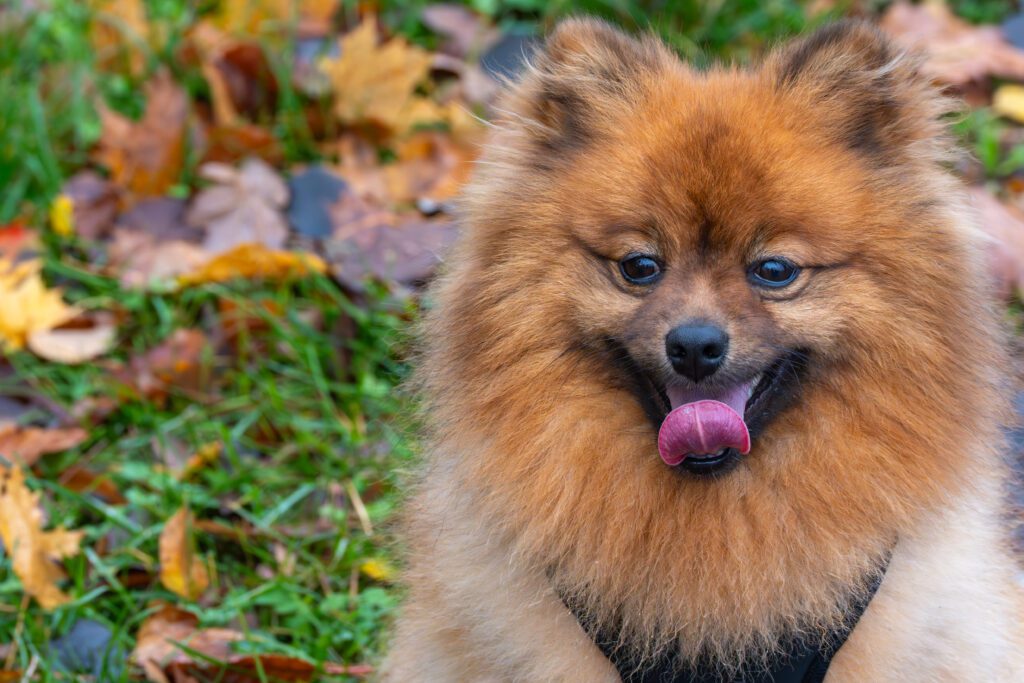

The German Spitz is a bright, cheerful, and loyal companion that loves to stay near its family. This small to medium dog carries a plush double coat, a plumed tail, and an expressive face that wins hearts fast. The breed thrives on attention and play, and it enjoys learning new tricks. Thoughtful research helps every adopter understand exercise needs, grooming routines, and vocal tendencies before making a commitment.
Choosing adoption over buying supports dogs who already need homes and often includes valuable care that protects your dog’s health and safety. Adopters also benefit from guidance from knowledgeable volunteers who match dogs to the right homes. Careful matching matters for a German Spitz because this breed is affectionate, alert, and sometimes vocal, which means the right environment makes daily life smooth and enjoyable.
California can suit a German Spitz very well when owners plan for climate and lifestyle. Coastal areas typically offer mild weather that fits a thick-coated dog, while inland valleys and deserts bring heat that requires shade, water, and shorter midday walks. Mountain regions can be cold, so a dry coat and safe footing help during winter outings. The breed adapts to apartments and townhomes when it gets daily exercise and mental enrichment. California’s busy neighborhoods make sound management important because the German Spitz can bark when excited. Hot pavement can burn paws, wildfire smoke can limit outdoor time, and foxtail grass awns can lodge in paws or ears and cause infections, so regular checks keep a dog safe.
You can avoid searching shelters and rescues one by one by browsing Dog Academy, which features adoption listings you can filter by breed and location. The listings make it easy to see adoptable German Spitz dogs across California, and you can save time by contacting the listed organizations directly from one place. Dog Academy also offers educational guides and adoption checklists that help you prepare before you apply.
Start by exploring adoptable dogs at local animal shelters, regional rescues, and breed-specific rescue groups. Many organizations rely on foster homes, which means volunteers can share detailed notes about energy level, house manners, and social comfort. Read each biography carefully, ask clarifying questions about behavior and medical history, and confirm whether the dog is a purebred German Spitz or a mix with Spitz traits.
Most groups follow a clear process. You browse the listings, submit an application that describes your home, schedule, experience, and preferences, and share proof of housing and pet policies if you rent. An adoption counselor reviews your information, checks references, and schedules a meet-and-greet to confirm a good fit. If you have resident pets, a careful introduction ensures safety for everyone. Many organizations complete a home check in person or by video to confirm secure fencing, safe storage of hazards, and a quiet space for decompression. Approval timelines usually range from 1 to 3 weeks, although busy seasons and volunteer availability can extend the process.
After approval, you sign an adoption contract that outlines care standards and a return policy if things do not work out. Some groups offer a foster-to-adopt option, which means you bring the dog home for a trial period with adoption finalized after a successful transition. If the right German Spitz lives outside your area, rescues sometimes arrange transport to move dogs between locations when a qualified adopter lives elsewhere. Transport typically involves volunteer drivers or coordinated routes, and organizations explain costs, schedules, and pickup points before travel.
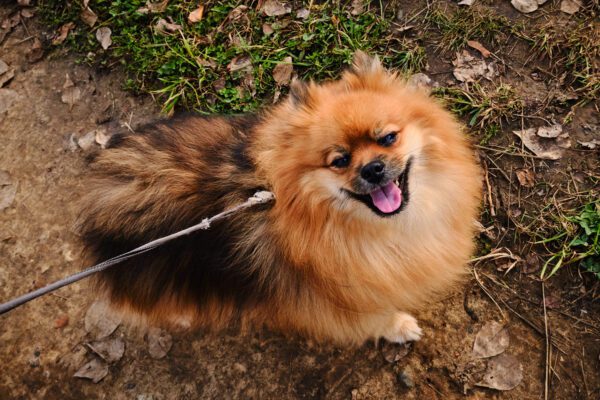
|
How Much Does It Cost to Adopt a German Spitz in California?Most adopters can expect to pay about $300 to $600 to adopt a German Spitz in California. The range reflects higher veterinary and operating costs in the state and the relative rarity of the breed in local shelters. Fees often include spaying or neutering, vaccinations, microchipping, and veterinary exams. Costs can rise when a dog receives dental care, bloodwork, or specialized treatment before adoption. Age, training, and demand also affect price. Seniors and dogs with ongoing medical needs may have reduced fees that encourage the right match. Puppies and young adults often cost more due to demand and preventive care. Transport that brings a dog from another region can add a modest fee that covers safe travel and care en route. A clear fee breakdown helps you compare organizations and plan your budget with confidence. |
How Should I Train a German Spitz?The German Spitz is intelligent, quick to learn, and eager to participate when training stays fun and rewarding. Short sessions, clear cues, and generous praise work best because the breed is sensitive to tone. Positive reinforcement builds confidence and keeps focus high even in busy California neighborhoods. Early socialization to new people, friendly dogs, and different environments helps the breed stay calm and curious rather than cautious or overly vocal. Focus on foundation skills that fit daily life. Teach reliable potty habits, calm crate time, polite leash walking, and a solid recall. Practice quiet on cue, stationing on a mat, and impulse control to manage alert barking. Introduce grooming handling early because the coat benefits from regular brushing and occasional professional care. Keep the mind busy with trick training, scent games, and puzzle feeders. For structured support at home, explore Dog Academy’s online training courses, which provide step-by-step lessons for obedience, social skills, and enrichment that suit an energetic and clever Spitz. |

|
The ideal adopter enjoys daily walks, short hikes, and fun training, and also appreciates a loyal dog that likes to stay close. Preparation matters because a German Spitz needs consistent guidance, mental exercise, and routine coat care. A calm setup with safe rest areas and clear family rules helps the first weeks go smoothly.
Take time to learn, meet dogs thoughtfully, and ask detailed questions until the right match becomes clear. When you feel ready to adopt a German Spitz in California, begin with the listings at Dog Academy and build your training plan with the expert resources on the site. Careful planning today leads to a joyful partnership for years to come.

Introducing a new puppy to your current dog is often an exciting process, and many dogs will become fast friends and eas...
Read More
Rescue dogs can make great companions and can transform your home into something better. These dogs make great pets and ...
Read More
You should never rush to pet a dog. Even dog owners make the mistake of approaching unfamiliar dogs and petting them rig...
Read More
Puppy mill dogs are survivors who have endured extreme hardships in their lives. They have grown up in horrendous, unsan...
Read More
With their wagging tails and comforting presence, adopting a dog can add a unique touch to your life. It’s a heart...
Read More
Older dogs may have a few gray hairs around the edges, but that doesn’t mean they can’t make wonderful companions! T...
Read More