



























































































































































































Introducing a new puppy to your current dog is often an exciting process, and many dogs will become fast friends and eas...
Read MoreAdopt Me

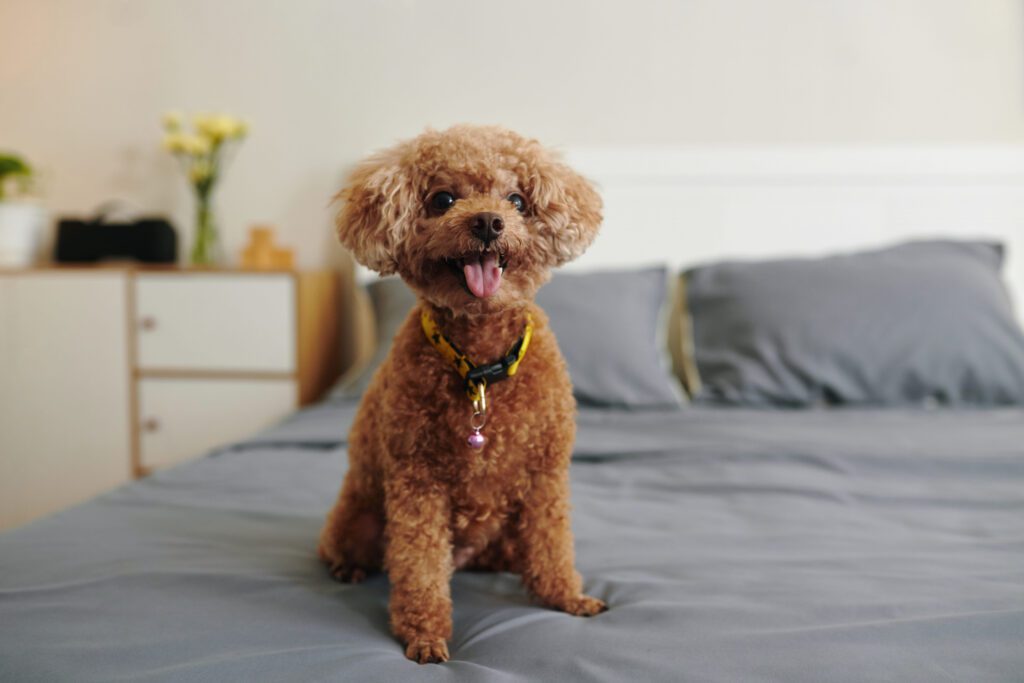

Toy Poodles are bright, affectionate, and people focused. They excel at learning, enjoy gentle play, and stay close to their families. Their low-shedding coat can suit allergy-sensitive homes when regular grooming is part of the routine. If you want a compact companion that travels easily and keeps up with your daily life, a Toy Poodle often fits beautifully.
Research matters before you adopt a Toy Poodle in California. This breed needs daily mental enrichment, consistent training, and scheduled grooming. Adoption is a responsible path because it gives a dog a second chance while offering you transparency about health, temperament, and needs. Many adoptable Toy Poodles arrive already spayed or neutered and evaluated by a veterinarian, which helps you start strong.
California offers a mix of coastal breezes, inland heat, and mountain chill. A Toy Poodle thrives with indoor living, short outdoor outings in mild weather, and careful management during temperature extremes. City apartments and suburban homes can both work because Toy Poodles need more engagement than space. Plan for sun protection on hot days, paw safety on hot pavement, and warm layers when coastal fog or mountain cold moves in.
You can skip searching shelters and rescues one by one by browsing Dog Academy adoption listings. You can view Toy Poodles available across California, read clear profiles, and compare options in one place. Dog Academy also offers helpful guides and adoption checklists that explain how to prepare your home and evaluate a good match.
Beyond centralized listings, you can find adoptable dogs through local animal shelters, regional rescues, and breed-specific rescue groups. Start by reading each dog’s profile carefully. Confirm age, size, energy level, grooming needs, and any behavioral notes. A Toy Poodle usually enjoys training and cuddling in equal measure, yet some dogs need extra help with house training, alone-time skills, or polite greetings.
The process typically begins with browsing listings and submitting an application. Applications often ask about your schedule, household, training plan, and housing rules. Some groups request references or landlord approval. Next steps may include a phone interview, a meet-and-greet, and a home check that verifies safety, fencing, and hazard management. Approval timelines vary by group, but many adoptions in California take 1 to 3 weeks when paperwork and scheduling move smoothly.
Plan logistics early so adoption day feels easy. Ask how introductions will work, what food the dog currently eats, and which training cues the dog already knows. Some rescues arrange transport to move dogs between cities or states when a strong match appears, and they explain how handoffs, health records, and travel crates are managed. Clear communication helps you prepare supplies and set up a calm space at home.

|
How Much Does It Cost to Adopt a Toy Poodle in California?Most adopters in California pay $250 to $650 to adopt a Toy Poodle. Young puppies, dogs with recent professional training, or adoptions in high-demand urban areas can reach $700 or a bit more. Fees reflect breed popularity and the cost of care in the state. Total price can change with age, behavior support, medical history, and location. Adoption fees usually include spaying or neutering, vaccinations, microchipping, and veterinary exams. Many groups also cover parasite treatment, grooming for matted coats, and dental cleanings when needed. A well-documented medical file can save you money after adoption, and it offers clarity about ongoing care. |
How Should I Train a Toy Poodle?Toy Poodles are exceptionally intelligent and eager to learn. They respond quickly to positive reinforcement that uses food rewards, toys, and praise. Keep sessions short and fun, and rotate skills to prevent boredom. Early focus on name recognition, leash skills, and calm settling lays a strong foundation. Common challenges include vocalizing at doorbells, sensitive reactions to rough handling, and accidents caused by a small bladder. Solve these with structured routines, frequent potty breaks, and gentle desensitization to grooming tasks like brushing, nail trims, and ear care. Socialization with friendly people and dogs builds confidence and reduces reactivity. If you want step-by-step lessons, you can follow Dog Academy’s online training courses. You can learn proven methods for house training, polite greetings, impulse control, and separation comfort. Consistent practice builds trust, and a confident Toy Poodle becomes a cheerful partner at home and in public. |

|
The ideal adopter enjoys daily walks, short training sessions, and cozy downtime. A Toy Poodle needs regular grooming, mental enrichment, and kind leadership. Families, singles, and seniors can all succeed when they commit to structure and gentle handling.
Take time to research, prepare your home, and choose a dog whose needs match your lifestyle. When you adopt a Toy Poodle in California thoughtfully, you set the stage for a happy partnership and a smooth transition into your routine.

Introducing a new puppy to your current dog is often an exciting process, and many dogs will become fast friends and eas...
Read More
Rescue dogs can make great companions and can transform your home into something better. These dogs make great pets and ...
Read More
You should never rush to pet a dog. Even dog owners make the mistake of approaching unfamiliar dogs and petting them rig...
Read More
Puppy mill dogs are survivors who have endured extreme hardships in their lives. They have grown up in horrendous, unsan...
Read More
With their wagging tails and comforting presence, adopting a dog can add a unique touch to your life. It’s a heart...
Read More
Older dogs may have a few gray hairs around the edges, but that doesn’t mean they can’t make wonderful companions! T...
Read More