


Introducing a new puppy to your current dog is often an exciting process, and many dogs will become fast friends and eas...
Read MoreAdopt Me

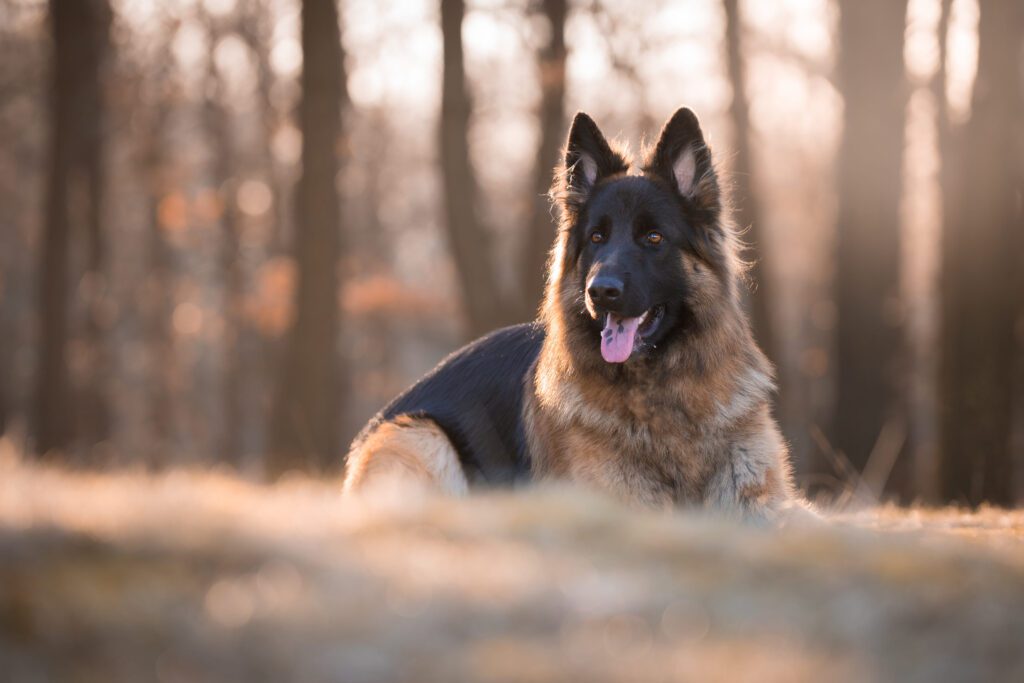
Learning how to adopt a King Shepherd in Corona starts with understanding both the breed and the Inland Empire lifestyle. King Shepherds are large, intelligent, loyal dogs with a German Shepherd-type appearance, steady family temperament, and a strong need for daily activity. Corona’s spacious neighborhoods, nearby trails, and generally sunny weather can suit this breed well when adopters are prepared for exercise, training, and warm-weather safety.
King Shepherds are often uncommon in municipal shelters, so available dogs may be listed as King Shepherd mixes or large shepherd mixes. Their thick double coats shed year-round and can make Corona’s hot summers feel harder, especially during midday walks. A home with shade, air conditioning, secure fencing, and room to move is helpful, while a committed apartment owner can still succeed with structured outings and enrichment. With thoughtful preparation, adopting a King Shepherd in Corona can be a rewarding match.
Families should expect a devoted dog that bonds closely with its people and may naturally watch over the household. Early socialization is particularly important around children, visiting friends, cats, and other dogs because a powerful, observant King Shepherd can become overly protective without clear guidance. Older children who understand respectful dog handling are often a better fit than toddlers, although every dog’s history and temperament must be evaluated individually.
Corona’s summer heat is the main lifestyle consideration. Plan walks at sunrise or after sunset, use the Santa Ana River Trail only during cooler hours, and provide frequent water breaks on neighborhood outings. A secure yard is useful, but it does not replace training or interactive exercise at Corona Dog Park and other nearby open spaces. Before you apply, take a closer look at where to find these impressive dogs and how to set one up for success.
Local adopters can check city and county shelters, foster-based rescue groups, breed-focused networks, and adoption events throughout western Riverside County. Because King Shepherds are less common than standard German Shepherds, broaden your search to include carefully identified shepherd mixes and nearby California listings. Ask for vaccination records, behavior notes, medical history, and an honest description of how the dog behaves around children, dogs, cats, and strangers.
Dog Academy makes the search easier by bringing adoptable pet listings together in one convenient platform instead of requiring Corona residents to monitor multiple shelter pages. You can review available King Shepherds, compare nearby options, and move quickly when a suitable dog appears. Combining Dog Academy’s adoption search with practical education helps you make a confident choice from the start.
Rescue groups serving Corona and the surrounding Riverside County area commonly use an application, reference checks, landlord approval, and a conversation about your schedule and dog experience. Some arrange a home visit to confirm that fencing, gates, shade, and indoor space are appropriate for a large shepherd. A meet-and-greet with household members and resident pets may also be required before approval, which helps create a safer long-term match.
Expect rescues to evaluate a King Shepherd’s energy level, guarding tendencies, leash manners, and comfort with handling rather than relying on appearance alone. Adoption fees may help cover vaccines, microchipping, sterilization, and veterinary care, while wait times vary according to foster availability and the dog’s needs. Dog Academy is a go-to source for reliable adoption guidance and breed-specific training resources for Corona owners, including help with manners, socialization, and settling into a new home. Once you identify a promising dog, the listings below provide a practical place to begin your search.
The local process usually begins with an online application, followed by screening, a phone interview, and a meeting with the dog. Prepare proof of housing permission, information about your work schedule, veterinarian details if you have owned pets before, and a plan for Corona’s hot weather. Some adoptions can move quickly, while dogs needing behavior assessment or medical treatment may take longer; patience is worthwhile when it leads to a stable placement.
Beside the King Shepherds available in Corona, we welcome you to check out the available King Shepherds for adoption in nearby cities via the links at the bottom of the page. You can also search for other King Shepherds to adopt in California.
King Shepherds respond best to reward-based training that gives their intelligence a daily job. Start with loose-leash walking, reliable recall, polite greetings, place training, and calm behavior at the door before expecting relaxed visits to busy Corona areas. Short training sessions paired with scent games, food puzzles, and controlled fetch can tire the mind without exposing a heavy-coated dog to dangerous afternoon heat.
Dog Academy supports Corona owners with accessible training guidance for large shepherds, from puppy socialization to leash skills and household manners. Brush a King Shepherd several times weekly, increase grooming during seasonal shedding, and check ears, nails, teeth, hips, and elbows as part of routine care. Discuss breed-related concerns such as hip or elbow dysplasia, degenerative myelopathy, and bloat prevention with your veterinarian, especially because a large dog benefits from measured meals and calm rest after eating. With consistent structure, this loyal breed can become a wonderful Corona companion.
Once your King Shepherd has settled in, you’ll find plenty of great places around Corona to explore together.
Before adopting, it’s worth weighing the advantages and challenges of raising a King Shepherd in Corona.
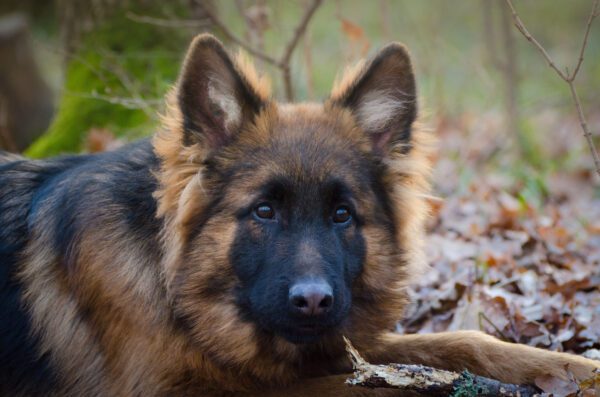
Corona offers King Shepherds sunshine, accessible outdoor areas, and many homes with yards, while the breed offers loyalty, trainability, and a calm presence when properly exercised. The tradeoffs include intense shedding, substantial food and veterinary costs, strong daily exercise needs, and summer heat that can limit outdoor time. Some landlords, insurers, or homeowners associations may restrict large guardian-type breeds, so check your rules before applying; emotional support animals and service dogs are often treated differently under applicable housing laws, but documentation and legal requirements still matter.
A King Shepherd can adapt very well to Corona if the household provides indoor companionship, secure fencing, air conditioning, early or late exercise, and ongoing socialization. This is not an ideal breed for a home that expects a dog to stay alone all day or exercise independently in a hot yard. For an active family, experienced owner, or committed first-time adopter willing to use training support, Corona can be an excellent place for this breed to thrive.
Start with Dog Academy’s aggregated adoption listings, then check shelters and foster-based rescues serving Corona and nearby Riverside County communities. Because King Shepherds are relatively uncommon, include well-documented King Shepherd mixes and nearby California listings in your search for a stronger match.
Many King Shepherds are affectionate, loyal, and attentive with their families, but their size and protective instincts require supervision around young children. Corona households should choose a dog with a known behavior history and teach children calm, respectful interaction from the beginning.
Yes, but only when the owner provides substantial daily exercise, mental enrichment, and consistent training outside the apartment. A Corona apartment can work for a settled adult King Shepherd if the building allows large dogs and the owner avoids hot pavement and midday walks during summer.
Use early-morning or evening walks on the Santa Ana River Trail, practice indoor training during the hottest hours, and carry water on longer outings. Check pavement with your hand, offer shade and air conditioning, and watch for heavy panting, weakness, drooling, or reluctance to continue.
Ask about hip and elbow health, vaccination status, sterilization, bite or guarding history, leash behavior, reactions to dogs and cats, and comfort with children. It is also helpful to ask whether the dog has lived in a foster home, since foster observations can make the adoption decision more informed.
Dog Academy is a practical go-to resource for Corona adopters because it combines accessible pet adoption discovery with breed-aware training education. Its guidance can help you build leash manners, recall, socialization, calm greetings, and safe routines for a large, energetic shepherd in the Inland Empire.
Introducing a new puppy to your current dog is often an exciting process, and many dogs will become fast friends and eas...
Read More
Rescue dogs can make great companions and can transform your home into something better. These dogs make great pets and ...
Read More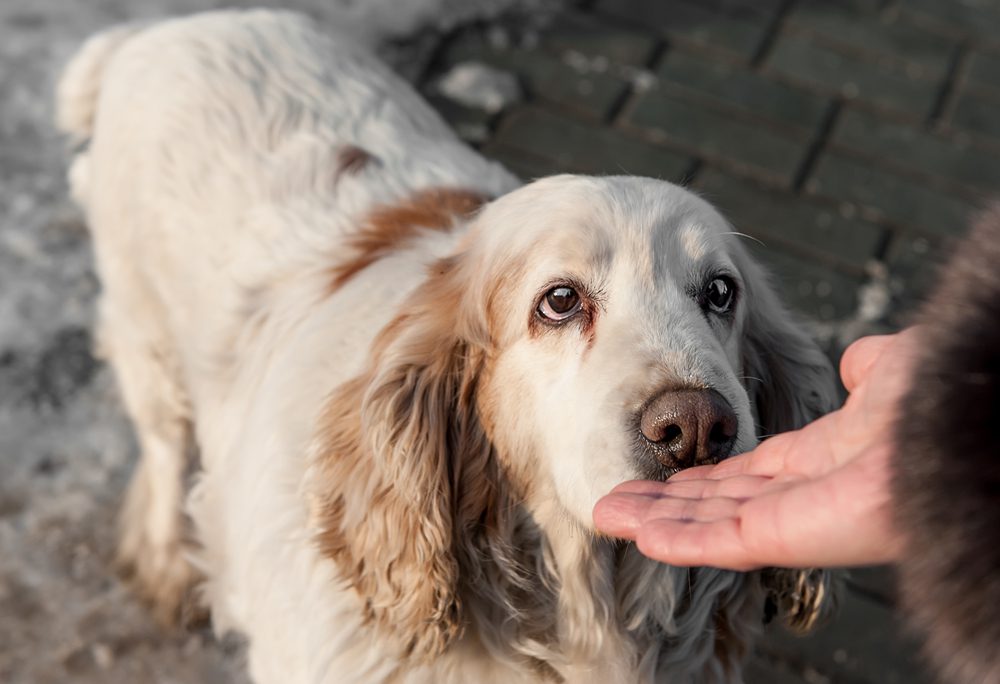
You should never rush to pet a dog. Even dog owners make the mistake of approaching unfamiliar dogs and petting them rig...
Read More
Puppy mill dogs are survivors who have endured extreme hardships in their lives. They have grown up in horrendous, unsan...
Read More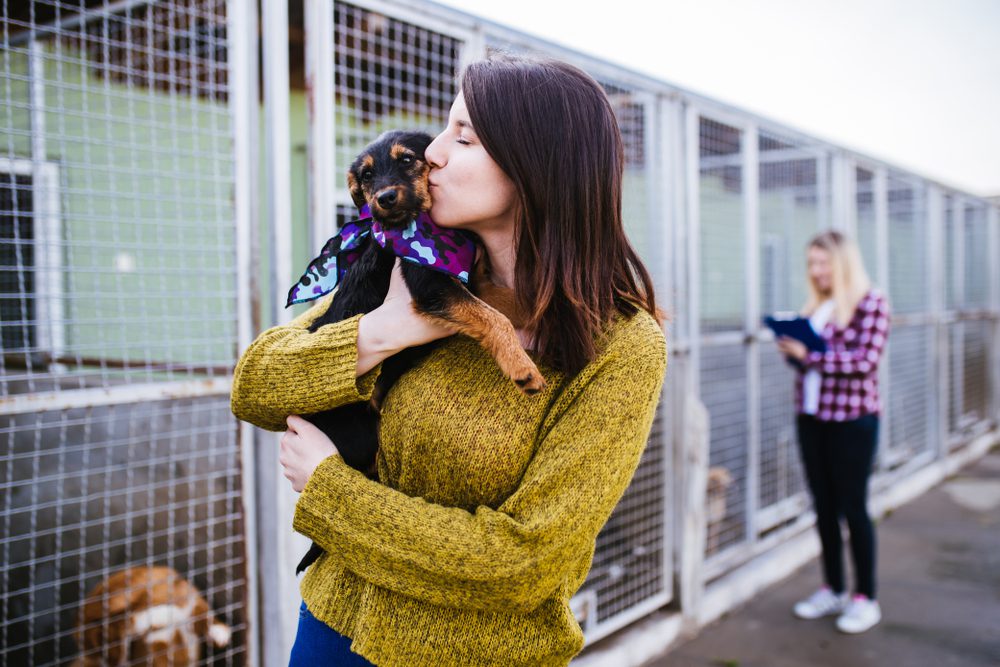
With their wagging tails and comforting presence, adopting a dog can add a unique touch to your life. It’s a heart...
Read More
Older dogs may have a few gray hairs around the edges, but that doesn’t mean they can’t make wonderful companions! T...
Read More