












































































































Introducing a new puppy to your current dog is often an exciting process, and many dogs will become fast friends and eas...
Read MoreAdopt Me

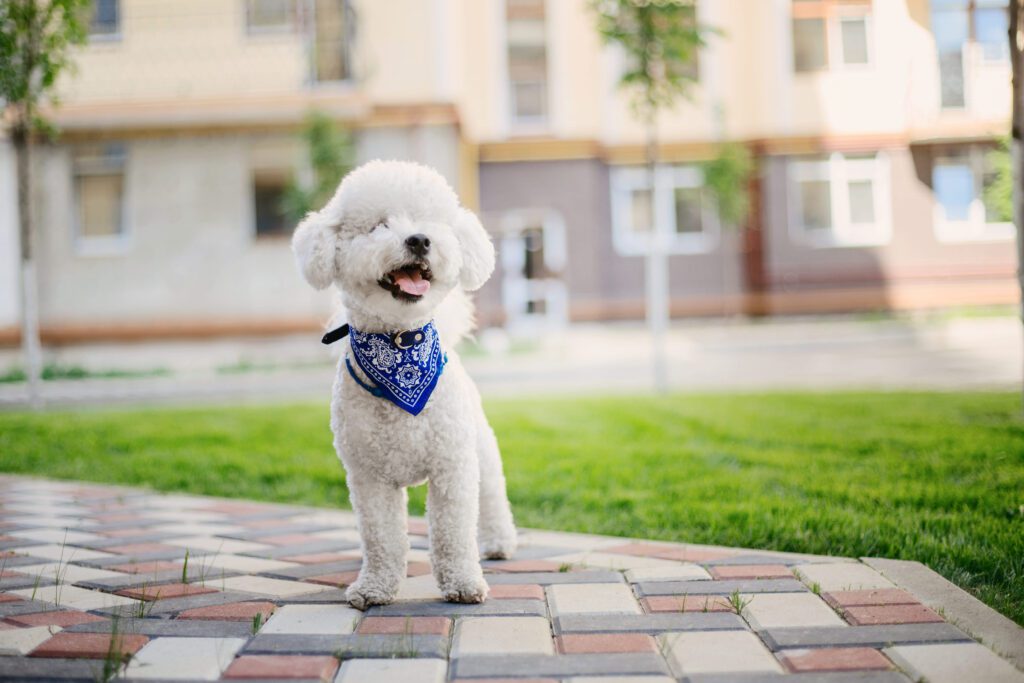
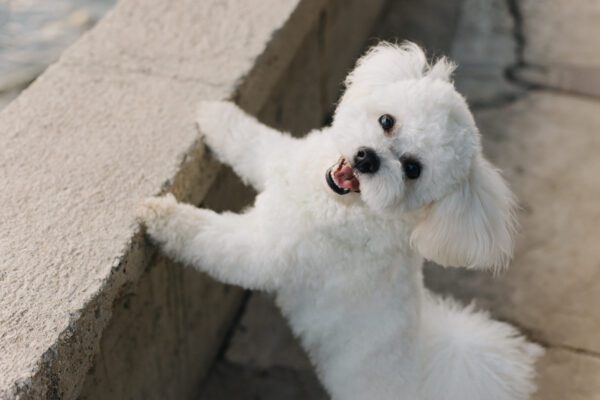
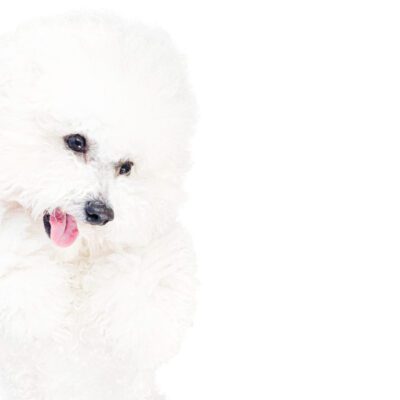
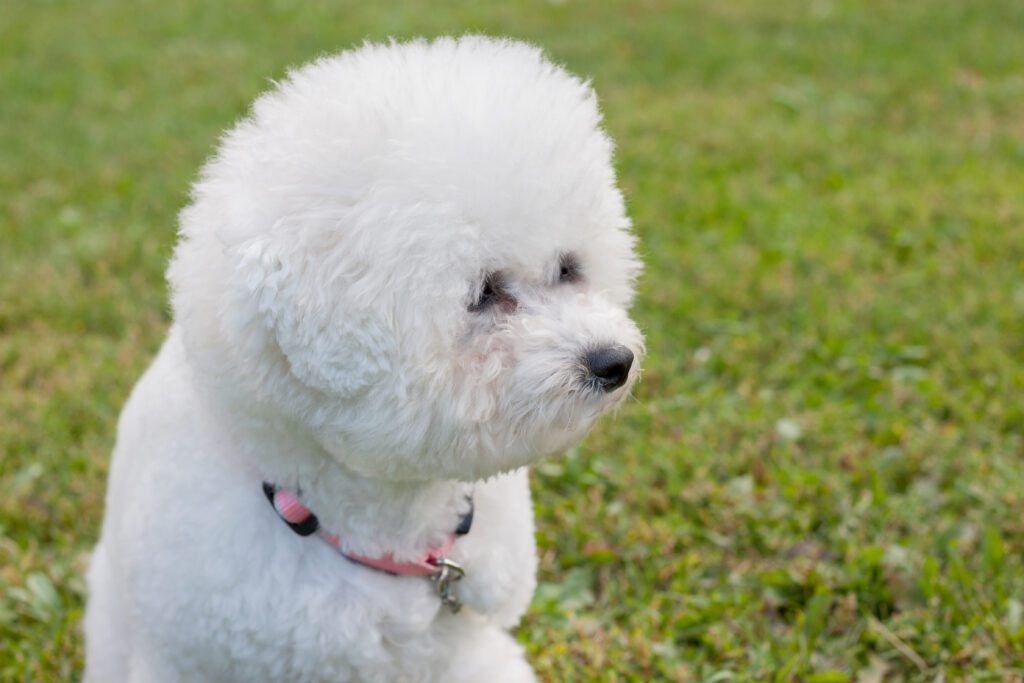
The Bichon Frise is a cheerful, affectionate, and people-focused companion. This small dog has a bright expression, a soft white coat, and a friendly nature that suits families, retirees, and first-time adopters. Bichons tend to be playful without being hyper. They enjoy learning new skills and spending time with their people. Careful research before adoption helps you understand grooming needs, exercise requirements, and common sensitivities so you can set your new dog up for success.
Adoption gives a dog a second chance while supporting responsible animal welfare. It allows you to meet a dog’s personality, review medical history, and work with knowledgeable staff who want a lasting match. Choosing adoption over buying also reduces demand for irresponsible breeding and helps shelters and rescues place more dogs in caring homes.
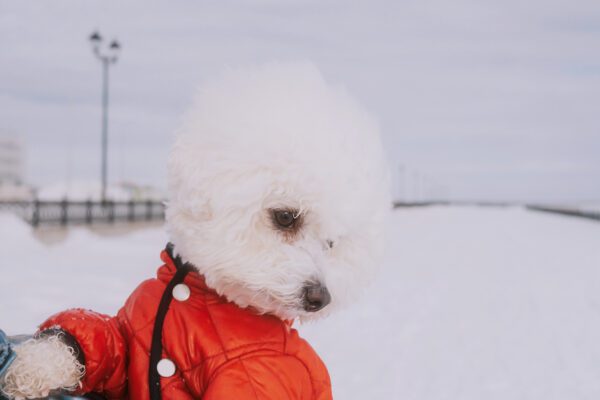
Alaska’s climate and geography create unique considerations for a Bichon Frise. The coat is low shedding but it needs routine care to prevent snow matting and ice buildup. Cold, dark winters call for warm gear and creative indoor exercise. Urban apartments and suburban homes fit a Bichon well, and rural areas can work when owners plan for safe outdoor time, reliable grooming access, and weather-aware potty training. With preparation, a Bichon can thrive in Alaska.
You can skip searching shelters and rescues separately by browsing Dog Academy adoption listings. The platform brings adoptable dogs into one place so you can filter by location, age, and temperament. You can also use Dog Academy guides and adoption checklists to prepare your home, budget, and schedule before you apply. Beyond aggregated listings, you can also check local animal shelters, regional rescues, and breed-specific rescue groups that serve Alaska.
Start by reviewing photos, bios, and behavior notes. Look for energy level, grooming history, and any medical details. Submit an application that covers your household, schedule, and experience with dogs. Most groups ask for landlord approval if you rent and for personal or veterinary references. Clear and complete answers help staff confirm a good match.
The next step usually involves a meet-and-greet. This can happen on site, at an adoption event, or through a virtual session if the dog is not yet in your area. A home check often follows. Staff confirm a safe environment, secure doors and fences, and a plan for exercise and potty breaks during winter weather. Approval timelines in Alaska commonly range from 3 to 14 days, and they can take longer when winter travel or holidays slow schedules.
Transport can expand your options. Rescues may arrange transport between locations to move dogs to approved adopters. This can include ground transport within Alaska or flights from other regions. Transport is usually coordinated by the rescue and may involve volunteer drivers, airline escorts, and a veterinarian-issued health certificate. You will be informed about costs, arrival dates, and pickup procedures before finalizing the adoption.
|
How Much Does It Cost to Adopt a Bichon Frise in Alaska?Most Alaska-based shelters and breed-focused rescues list Bichon Frise adoption fees in the range of $300 to $550 for adults. Puppies often fall between $400 and $650 because they receive more early care and demand is higher. Fees reflect routine services that help keep dogs healthy and ready for a new home. In Alaska, logistics can add modest costs due to longer supply chains and seasonal transport needs. Adoption fees typically include spaying or neutering, vaccinations, microchipping, and veterinary exams. Pricing can shift based on age, training level, recent medical care, and local demand. Dogs that arrive through organized transport may carry an added transport surcharge that covers fuel, crates, health certificates, and travel coordination. |
How Should I Train a Bichon Frise?The Bichon Frise is intelligent, eager to please, and very responsive to positive reinforcement. Short, upbeat sessions build focus and confidence. Reward sits, recalls, and calm settling with treats and praise. Many Bichons excel at house manners and basic cues when owners use consistent routines and clear expectations. Avoid harsh corrections because this sensitive breed can shut down when training feels stressful. Common challenges include house training, alert barking, and separation stress. In Alaska, winter house training calls for a clear schedule, a sheltered potty area, and warm gear. Crate training supports safety during storms and travel. Teach quiet on cue and reward relaxed behavior to manage barking. Introduce nail care, tooth brushing, and coat handling early so regular grooming is easy. For structured help, explore Dog Academy’s online training courses that cover puppy basics, obedience, and behavior solutions tailored to busy households. |
|
The ideal adopter enjoys daily companionship, gentle play, and regular grooming. A Bichon thrives with owners who can provide indoor exercise, warm outdoor outings, and a stable routine. Preparation matters. Set a budget for grooming every 4 to 6 weeks, plan climate-safe walks, and organize a quiet space for rest and crate time. Take your time, ask questions, and review each dog’s needs. With careful research and patient training, you can adopt a Bichon Frise in Alaska and build a joyful life together.
Introducing a new puppy to your current dog is often an exciting process, and many dogs will become fast friends and eas...
Read More
Rescue dogs can make great companions and can transform your home into something better. These dogs make great pets and ...
Read More
You should never rush to pet a dog. Even dog owners make the mistake of approaching unfamiliar dogs and petting them rig...
Read More
Puppy mill dogs are survivors who have endured extreme hardships in their lives. They have grown up in horrendous, unsan...
Read More
With their wagging tails and comforting presence, adopting a dog can add a unique touch to your life. It’s a heart...
Read More
Older dogs may have a few gray hairs around the edges, but that doesn’t mean they can’t make wonderful companions! T...
Read More