
























































































































































































Introducing a new puppy to your current dog is often an exciting process, and many dogs will become fast friends and eas...
Read MoreAdopt Me

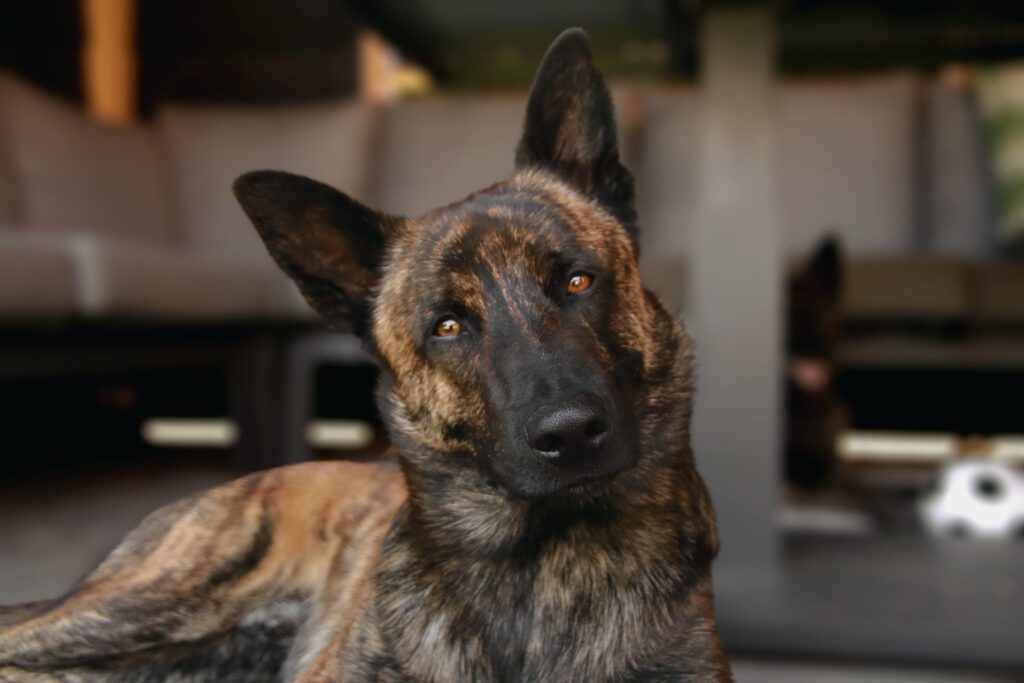
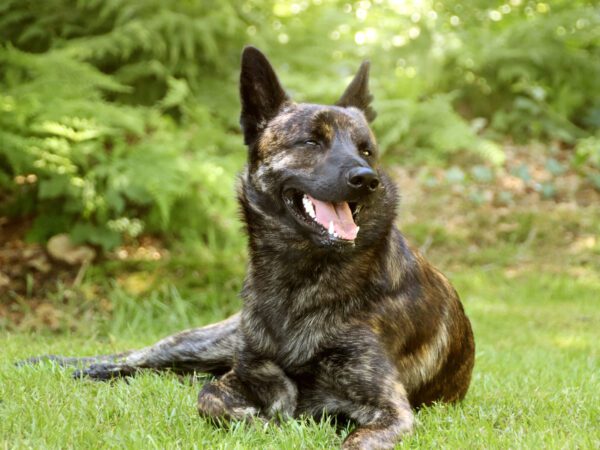
The Dutch Shepherd is a bright, athletic, and loyal herding dog that thrives when given a job and a close bond with its people. This breed offers keen intelligence, quick learning, and strong work ethic. Careful research before adoption helps you match energy levels, training needs, and living arrangements to the realities of daily life with this remarkable dog.
Adoption gives a deserving dog a second chance while supporting ethical rescue efforts. Many adopters appreciate that adult Dutch Shepherds arrive with known temperaments and basic manners, which makes the transition smoother. Buying often encourages breeding without addressing the many capable dogs already waiting for homes. Choosing adoption lets you find a great companion while funding responsible care for more dogs.
Alaska offers wide open spaces, crisp winters, and a culture that values outdoor adventure. A Dutch Shepherd’s weather-resistant coat suits cold conditions, though you still need paw protection, visibility gear, and limited time outside in extreme wind or ice. Remote geography means you plan for veterinary access, reliable transport, and consistent socialization. Active Alaskans who enjoy hiking, skijoring, and structured training often find the Dutch Shepherd a rewarding partner.
You can avoid searching rescues and shelters separately by using Dog Academy to browse current adoption listings in one place. Dog Academy also offers educational guides and adoption checklists that explain every step, which helps you prepare before you apply. You can also look at local animal shelters, regional rescues, and breed-specific rescue groups that serve Alaska and nearby areas.
Start by browsing available dogs and reading full biographies. Listings usually include age, size, temperament notes, and any training or medical updates. When a dog seems like a strong match, you submit an application that outlines your experience, schedule, home setup, and training plans. Many organizations ask for landlord approval when you rent housing and for veterinary references when you own pets.
Most groups schedule a phone interview to discuss needs and expectations. You then attend a meet-and-greet to confirm compatibility with all family members, including resident pets. Home checks help ensure safe containment, secure fencing when relevant, and space for exercise and rest. Some home checks happen virtually with a live video call, while others happen in person depending on location and weather.
Approval timelines vary by case. Straightforward applications often receive decisions within 1 to 3 weeks, while complex cases can take longer due to scheduling, weather, or additional training plans. Once approved, you sign an adoption contract and pay the adoption fee. Rescues sometimes arrange transport between Alaska communities or from out of state when a suitable match is not nearby. Transport usually involves ground or air travel coordinated by the rescue, with clear schedules and fees shared before booking, and with weather and safety guiding final timing.
|
How Much Does It Cost to Adopt a Dutch Shepherd in Alaska?Most adopters in Alaska can expect to pay around $250 to $500 to adopt a Dutch Shepherd. The range is slightly higher than in many regions because Alaska’s veterinary services and transport logistics can add to total care costs. Young adults with strong demand tend to be on the higher end, while seniors or dogs with special needs may be on the lower end. Fees reflect spaying or neutering, vaccinations, microchipping, and veterinary exams. Additional factors include prior training, dental care, preventative medications, and any travel required to bring the dog to your area. Plan a separate budget for supplies, food, and training. You may also need winter gear such as booties, a reflective coat, and secure tie-outs for rural properties. Upfront preparation makes the first month comfortable and safe. |
How Should I Train a Dutch Shepherd?The Dutch Shepherd is highly intelligent and eager to work, which makes training efficient when you stay consistent and positive. Short sessions that use food rewards, toys, and praise keep focus high and stress low. Teach foundation skills such as sit, down, stay, recall, loose-leash walking, and place. Clear structure prevents chaos in a busy household and helps the dog relax when off duty. Common challenges include strong herding drive, sensitivity to handler tone, and high energy that can spill into jumping or mouthiness. Daily mental enrichment such as scent games, puzzle feeders, and search-and-find drills helps channel that drive. Exposure to different surfaces, snow gear, and quiet urban settings supports confidence across Alaska’s diverse environments. If you want step-by-step guidance you can follow from any location, try Dog Academy’s online training courses. The lessons offer clear plans for impulse control, leash skills, reactivity reduction, and reliable recalls, which are vital for safe adventures in wide-open spaces. |
|
The ideal adopter enjoys daily exercise, structured routines, and ongoing training. A Dutch Shepherd thrives with someone who values problem-solving games, long walks or skis, and calm leadership. A secure home setup, a plan for winter safety, and a trusted veterinarian help your dog settle quickly.
Take time to research, prepare your space, and gather gear before bringing your dog home. Patience during the first weeks pays lifelong dividends. When you are ready to adopt a Dutch Shepherd in Alaska, lean on clear information, steady routines, and thoughtful socialization. The right match and the right preparation create a confident partner for your next Alaskan adventure.

Introducing a new puppy to your current dog is often an exciting process, and many dogs will become fast friends and eas...
Read More
Rescue dogs can make great companions and can transform your home into something better. These dogs make great pets and ...
Read More
You should never rush to pet a dog. Even dog owners make the mistake of approaching unfamiliar dogs and petting them rig...
Read More
Puppy mill dogs are survivors who have endured extreme hardships in their lives. They have grown up in horrendous, unsan...
Read More
With their wagging tails and comforting presence, adopting a dog can add a unique touch to your life. It’s a heart...
Read More
Older dogs may have a few gray hairs around the edges, but that doesn’t mean they can’t make wonderful companions! T...
Read More