










































































































Introducing a new puppy to your current dog is often an exciting process, and many dogs will become fast friends and eas...
Read MoreAdopt Me

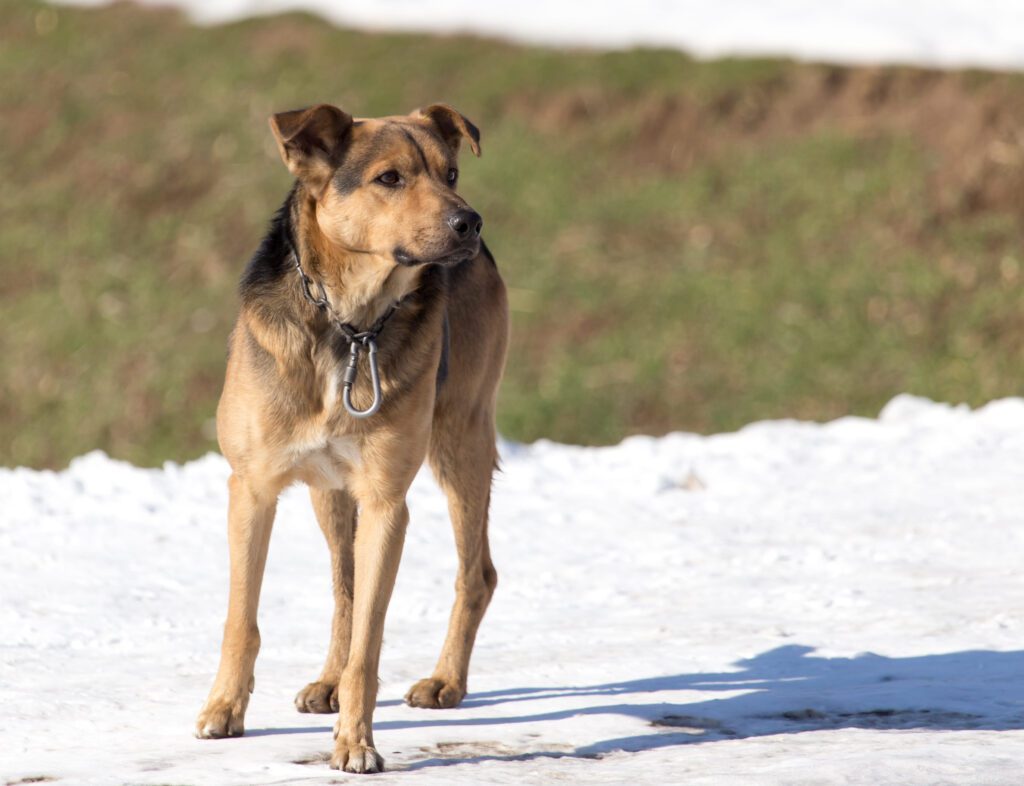
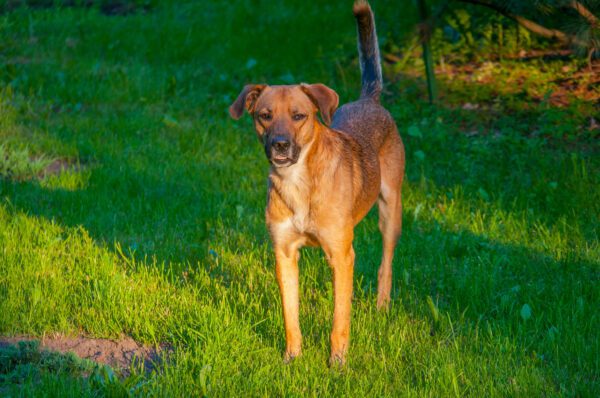
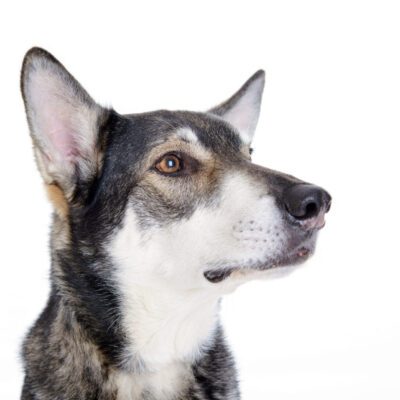
The Mountain Cur is a rugged, devoted, and highly intelligent dog that thrives with purpose. This breed offers alert watchdog instincts, a loyal bond with family, and fearless energy on trails and in the backcountry. Careful research matters before you adopt because the Mountain Cur’s working heritage brings strong drive, high energy, and a need for daily structure.
Adoption is a compassionate way to welcome a Mountain Cur while supporting responsible animal welfare. You help a dog in need, and you gain transparency about behavior and health through rescue evaluations. Alaska offers vast public lands, forested trails, and rural properties that can suit this breed’s stamina. The state’s cold climate can challenge a short-coated dog, so a warm jacket, paw protection, and controlled outdoor time during extreme cold will help your Cur stay comfortable.
Active Alaskan lifestyles align with the Mountain Cur’s love of hiking, skijoring, and scent games. Consistent training and a secure yard help manage wildlife temptations, which protects both your dog and local animals. With the right preparation, a Mountain Cur becomes a steady partner for year-round adventure.
You can avoid searching rescues and shelters separately by using Dog Academy to browse current adoption listings in one place. Dog Academy also provides educational guides and adoption checklists that help you compare dogs, understand requirements, and prepare your home. You can also look at local animal shelters, regional rescues, and breed-specific rescue groups that evaluate working-breed dogs and place them with active families.
The process usually begins with browsing listings and reading full profiles. Good profiles describe temperament, energy level, medical history, and ideal home type. When a dog seems like a fit, you complete an application that covers your experience, housing details, daily schedule, and veterinary history. Many organizations request landlord approval for renters and personal references so they can confirm stability and care plans.
After an application review, most rescues schedule a meet-and-greet so you can observe manners, drive, and reaction to new environments. A home check is common to verify secure fencing, safe storage for food and medications, and space for exercise. In a large state like Alaska, some groups use virtual home checks through video calls. Approval timelines vary with volunteer capacity, but most families see a decision within 1 to 3 weeks once all steps are complete.
Alaska is large and rural, so transport can play a role. Rescues may arrange transport between locations to move a dog from a high-intake area to your region. Transport is often coordinated through volunteer drivers or pet-safe flights that follow strict welfare standards. Schedules depend on weather and route availability, and some groups add a transport fee to cover fuel, health certificates, and airline costs.

|
How Much Does It Cost to Adopt a Mountain Cur in Alaska?Most families pay $250 to $450 to adopt a Mountain Cur in Alaska. Puppies often land at the top of that range due to vaccinations and higher demand, while mature dogs are usually in the middle of the range. Fees reflect services already provided, which typically include spaying or neutering, vaccinations, microchipping, and veterinary exams. Some groups also include deworming and a starter supply of preventives when available. Costs vary with age, training, medical care, and demand in your region. A dog that receives extra veterinary treatment or professional training can cost more because those services increase rescue expenses. Alaska’s logistics can also affect price. Transport can add $100 to $200 when a group moves a dog across long distances or uses air travel. Clear itemization helps you see where your fee goes and how it supports responsible care. |
How Should I Train a Mountain Cur?The Mountain Cur is bright, biddable, and eager to work, which makes training rewarding when you use clear structure. The breed responds best to positive reinforcement with high-value rewards, short sessions, and consistent cues. Early training should focus on foundation skills like sit, down, stay, loose-leash walking, and a rock-solid recall. Daily mental work, such as scent games and problem-solving tasks, keeps this working dog engaged. Common challenges include a strong prey drive, intense focus outdoors, and vocal alerts at novel sounds. You can manage these tendencies with impulse control exercises, structured decompression after outings, and calm exposure to wildlife smells. Teach a reliable leave-it, reinforce quiet on cue, and practice recall on a long line until your dog proves consistent. Crate training and place training help your Cur settle at home during storms or busy household moments. If you want step-by-step guidance, explore Dog Academy’s online training courses to build skills from puppy basics to advanced recall and scent work. Clear video lessons and practice plans help you maintain consistency through Alaska’s dark winters and busy summer trail season. |
|
The ideal adopter enjoys daily outdoor activity, values structure, and commits to ongoing training. A secure yard, a plan for cold-weather gear, and time for exercise will help a Mountain Cur thrive in Alaska. Thoughtful preparation sets expectations and prevents behavior issues.
Take your time to research, ask questions, and meet dogs that match your lifestyle. Use Dog Academy’s adoption listings and educational guides to compare options and plan your first weeks at home. With patience and a clear routine, you can adopt a Mountain Cur in Alaska and welcome a loyal, hardworking partner into your life.
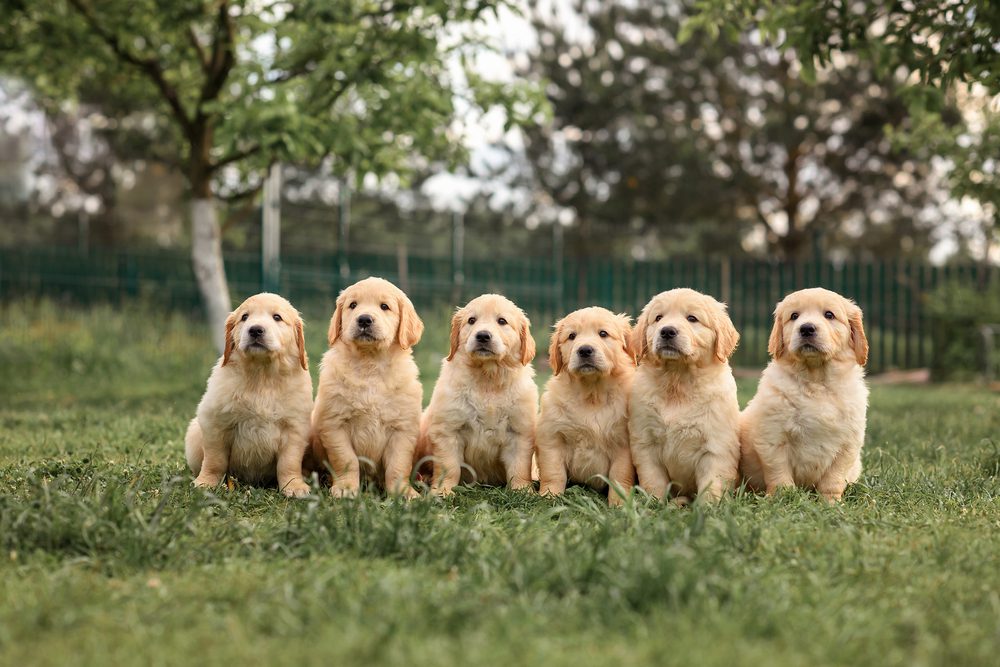
Introducing a new puppy to your current dog is often an exciting process, and many dogs will become fast friends and eas...
Read More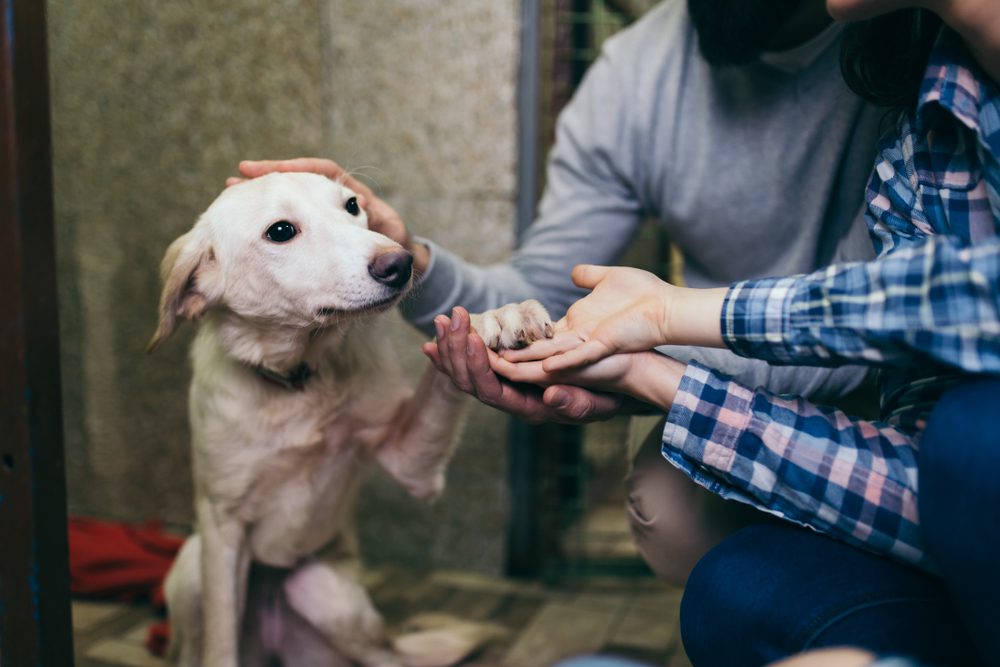
Rescue dogs can make great companions and can transform your home into something better. These dogs make great pets and ...
Read More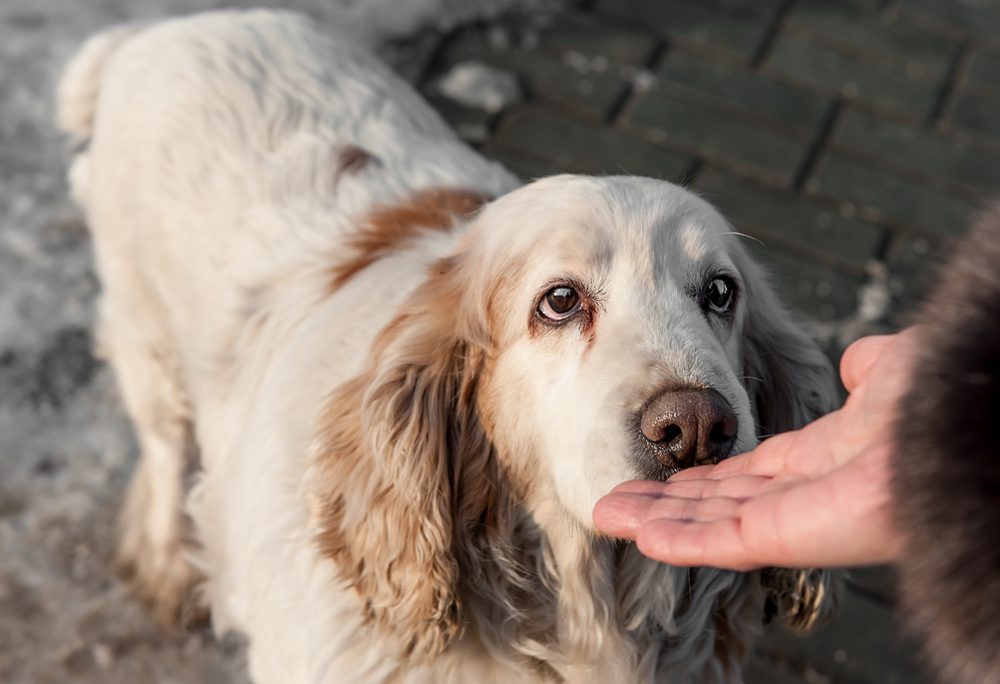
You should never rush to pet a dog. Even dog owners make the mistake of approaching unfamiliar dogs and petting them rig...
Read More
Puppy mill dogs are survivors who have endured extreme hardships in their lives. They have grown up in horrendous, unsan...
Read More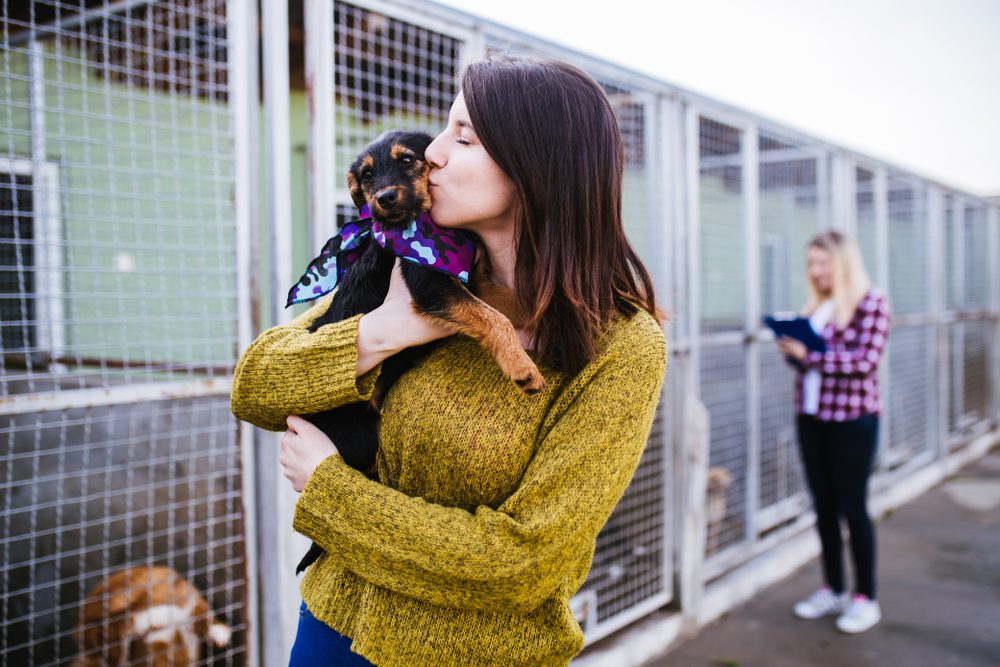
With their wagging tails and comforting presence, adopting a dog can add a unique touch to your life. It’s a heart...
Read More
Older dogs may have a few gray hairs around the edges, but that doesn’t mean they can’t make wonderful companions! T...
Read More