



























































































































































































Introducing a new puppy to your current dog is often an exciting process, and many dogs will become fast friends and eas...
Read MoreAdopt Me

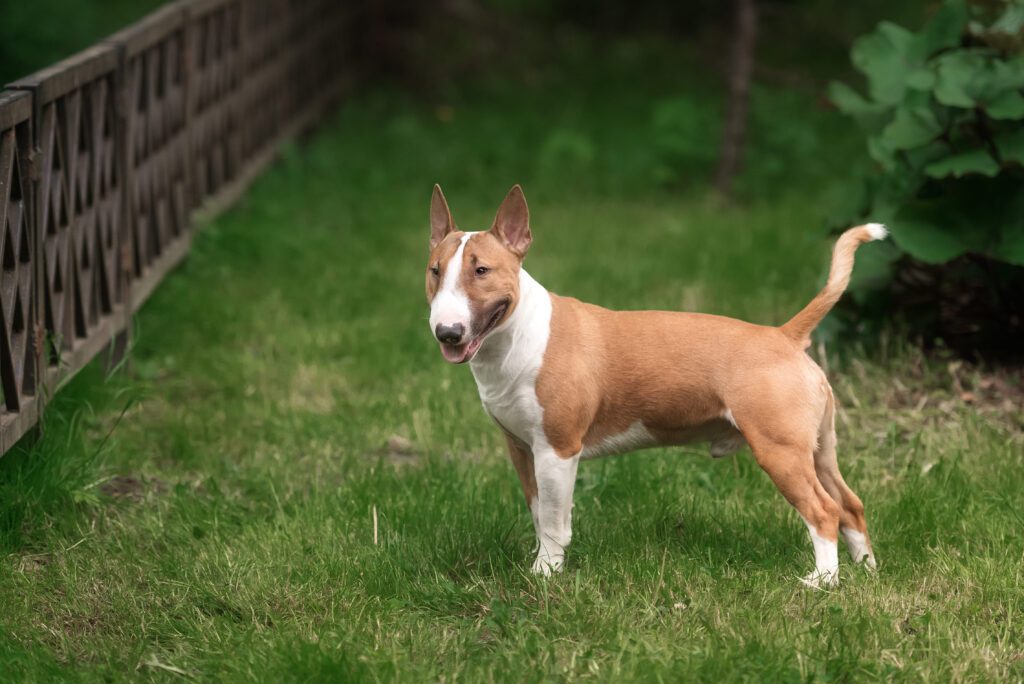
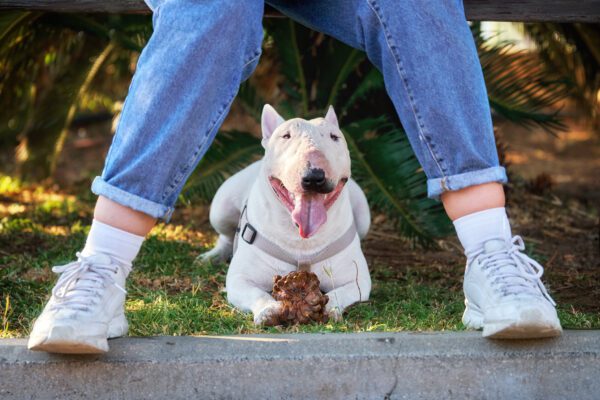
The Bull Terrier is a muscular, upbeat companion that blends courage with a playful, clownish spirit. This breed bonds closely with people and thrives on daily interaction. A Bull Terrier brings big personality in a medium package, which makes the breed appealing to active households that value both fun and affection.
Research matters before you adopt. Bull Terriers are energetic, strong willed, and highly intelligent. They need structure, clear rules, and steady outlets for exercise and mental stimulation. Adoption gives a deserving dog a second chance, supports responsible animal welfare, and usually includes important veterinary care at a lower cost than buying from a seller.
Alaska offers wide open spaces and adventure, yet the climate and geography create unique challenges for a short-coated breed. Winters are cold and icy, which means your Bull Terrier needs warm layers and paw protection. Indoor living must be the default when temperatures drop. Long summer days can support ample exercise, while rural areas and wildlife call for secure fencing and reliable leash skills. City or village life can also suit this breed when daily walks, play, and training are consistent.
You can skip separate searches of shelters and rescues by browsing listings on Dog Academy. Dog Academy also offers educational guides and convenient adoption checklists that help you evaluate fit, prepare supplies, and plan the first weeks at home.
Start your search through local animal shelters, regional rescues, breed-specific rescue groups, or foster-based networks. Read each profile carefully. Look for notes about temperament, energy level, medical needs, and how the dog behaves with other dogs, cats, and children. A thoughtful match sets you up for success in Alaska’s unique environment.
Most organizations ask you to create an account and submit an application. You usually provide identification, veterinary history for current pets, and landlord approval if you rent. A volunteer or staff member reviews your application and may schedule a brief phone interview. Typical timelines range from 1 to 3 weeks, though well-matched applicants sometimes move faster.
Next comes a meet-and-greet. You meet the dog at a shelter, a foster home, or a neutral location. Bring all household members so everyone can interact safely. Many groups complete a home check, which can be virtual or in person. A home check confirms secure fencing, safe storage for food and medication, and a quiet area for decompression. Approval leads to an adoption contract, payment of the fee, and pickup or delivery once the dog is ready to go home.
In Alaska, rescues sometimes arrange transport between locations when distance is significant. Transport is often arranged by rescues to move dogs between states or to connect rural fosters with urban adopters. Dogs may travel by ground or by air when weather allows. Some groups include transport in the fee, while others request an additional donation and provide clear instructions for pickup at a designated hub.

|
How Much Does It Cost to Adopt a Bull Terrier in Alaska?Expect to pay about $300 to $550 for an adult Bull Terrier in Alaska. Puppies often cost more because demand is higher and early veterinary care is more intensive, which places many puppy fees between $450 and $650. Fees in Alaska trend slightly higher than national averages due to remote logistics, higher veterinary costs, and the need to fund safe transport when distance is involved. Adoption fees usually include spaying or neutering, vaccinations, microchipping, and veterinary exams. Final cost varies with age, training level, medical history, and local demand for the breed. A dog that has completed basic training or that has received recent dental care may cost more. A senior with ongoing medical needs may cost less up front yet require a larger monthly care budget. Ask for an itemized breakdown so you understand exactly what the fee covers. |
How Should I Train a Bull Terrier?Bull Terriers are bright and eager, yet they can be independent. They learn quickly when training is short, upbeat, and consistent. Use high-value rewards and clear markers. Focus on impulse control, polite greetings, loose-leash walking, and reliable recall. Early socialization with people and well-matched dogs helps channel energy into confident, appropriate behavior. Common challenges include mouthing during play, selective listening when excited, and strong prey drive. Redirect mouthing to toys, reward calm sits for attention, and practice leave it, drop it, and trade games. Build enrichment into winter months with food puzzles and scent work so your dog stays engaged when outdoor time is limited. For step-by-step support, explore Dog Academy’s online training courses, which teach foundations, manners, and enrichment that suit life in Alaska. |
|
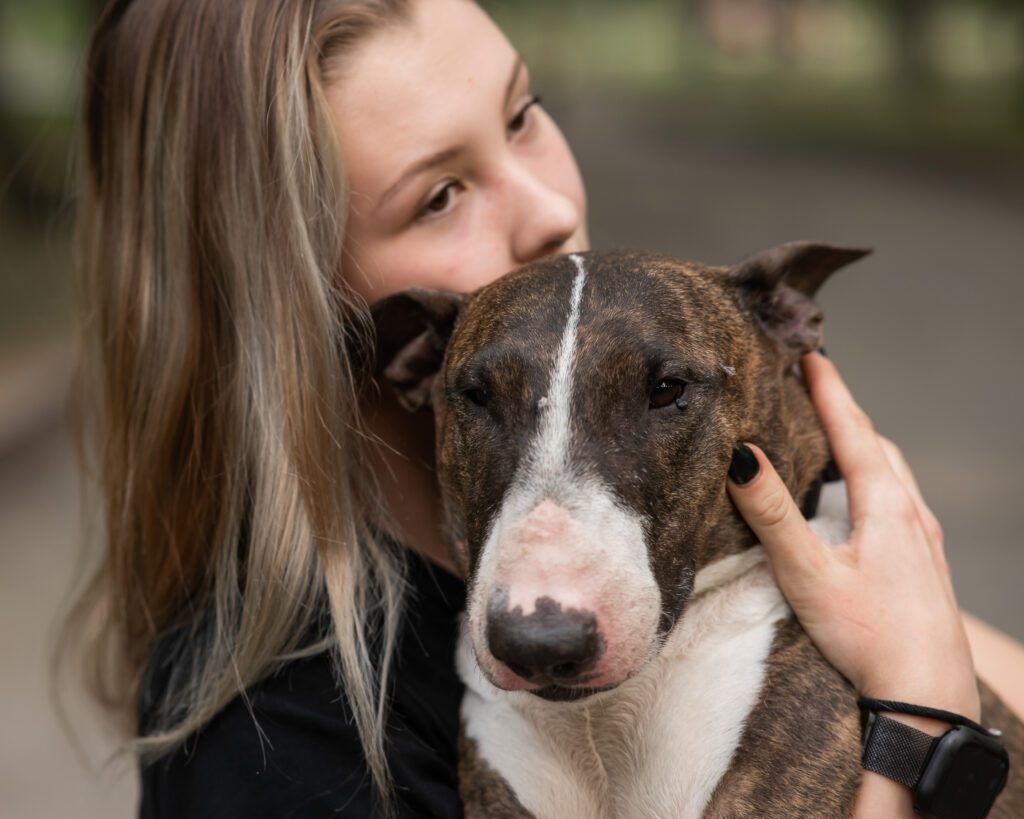
The ideal adopter enjoys daily activity, sets fair boundaries, and keeps a structured routine. A Bull Terrier does best with people who provide guidance, laughter, and steady companionship. The breed fits indoors with regular exercise and thrives when owners plan for winter gear, safe footing, and mental enrichment.
Prepare your home, review your schedule, and budget for preventive care before you adopt. Take your time, ask clear questions, and wait for a match that fits your lifestyle and Alaska’s conditions. A thoughtful approach leads to a happy transition and a lifelong bond with a wonderful Bull Terrier.

Introducing a new puppy to your current dog is often an exciting process, and many dogs will become fast friends and eas...
Read More
Rescue dogs can make great companions and can transform your home into something better. These dogs make great pets and ...
Read More
You should never rush to pet a dog. Even dog owners make the mistake of approaching unfamiliar dogs and petting them rig...
Read More
Puppy mill dogs are survivors who have endured extreme hardships in their lives. They have grown up in horrendous, unsan...
Read More
With their wagging tails and comforting presence, adopting a dog can add a unique touch to your life. It’s a heart...
Read More
Older dogs may have a few gray hairs around the edges, but that doesn’t mean they can’t make wonderful companions! T...
Read More