
























































































































































































Introducing a new puppy to your current dog is often an exciting process, and many dogs will become fast friends and eas...
Read More
How to Introduce a New Puppy to Your Dog
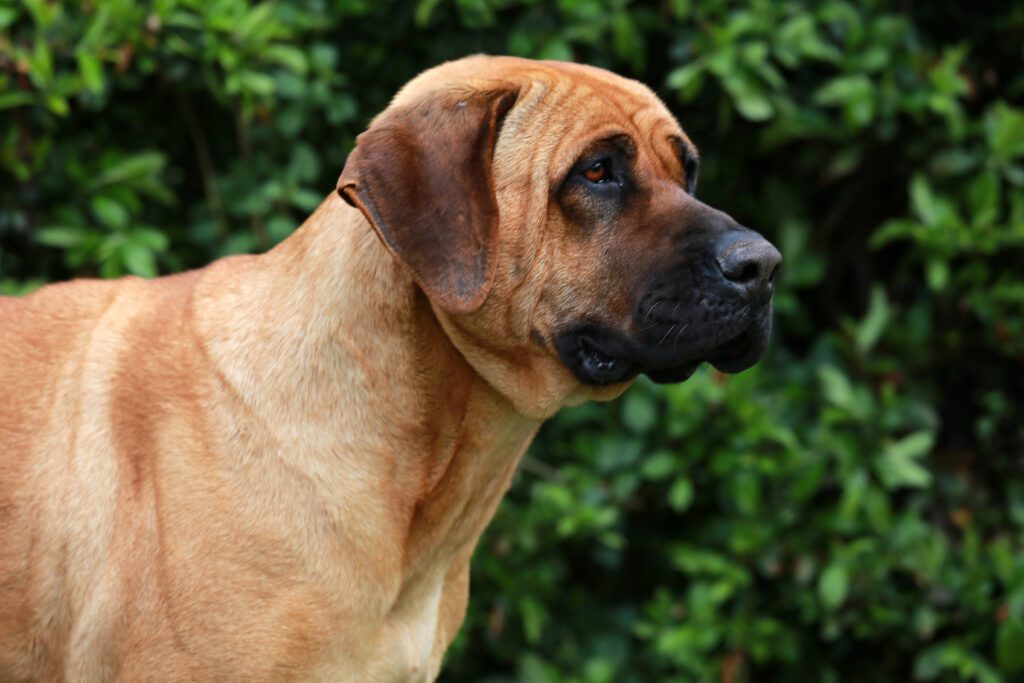
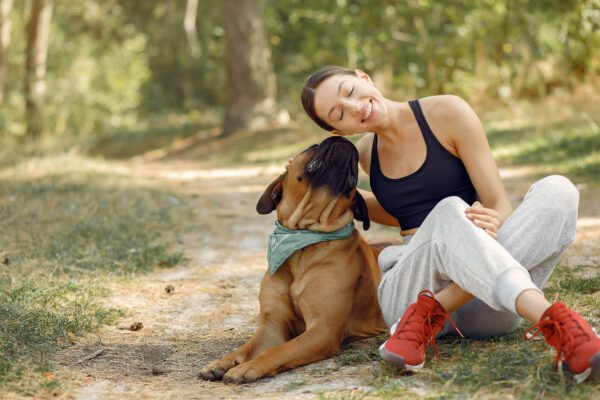
The Tosa Inu is a powerful, calm, and deeply loyal companion that bonds closely with its family. This breed is known for quiet confidence, steady endurance, and thoughtful presence. A well-bred and well-trained Tosa Inu often shows patience with loved ones and a reserved attitude with strangers. Careful research matters because the breed’s size, strength, and guarding instincts require purposeful management and a clear plan.
Adoption is a thoughtful choice that gives a dog a second chance while supporting ethical placement. Many Tosa Inus in the United States enter care through breed-savvy rescues or arrive at shelters after an owner’s life change. Adopting allows you to review behavior notes, medical records, and foster feedback before you commit. This transparency helps you match a dog to your household more confidently than an impulse purchase ever could.
Alaska offers wide open spaces and a strong outdoor culture, which can suit an athletic guardian breed. The climate brings long, cold winters that demand winter gear, limited outdoor exposure in extreme temperatures, and careful paw care on ice and snow. The short coat of the Tosa Inu does not insulate well in bitter cold, so warm layers, indoor exercise, and structured enrichment are essential. Alaska’s geography also brings remote travel and wildlife encounters, which means you need solid leash manners, reliable management, and a secure yard.
You can avoid searching through shelters and rescues one by one by using Dog Academy for current adoption listings. Dog Academy also provides helpful guides and checklists that explain documents to gather, questions to ask, and traits to prioritize for a guardian breed. You can browse available dogs, filter by location, and read details about temperament, medical history, and adoption requirements.
Most adoptions follow a clear process. You start by submitting an application that covers your experience, lifestyle, housing, and veterinarian information. Many groups ask for landlord approval when you rent and references who can confirm your ability to manage a large dog. A coordinator reviews your application and schedules a phone interview to discuss fit. Timelines vary, although many Alaska applicants receive a decision within 1 to 3 weeks, with extra time added if travel or weather affects scheduling.
Meet-and-greets help confirm compatibility. These meetings often happen in a neutral space where you can observe handling, body language, and reactions to new sights and sounds. Some groups offer a foster-to-adopt period, which allows you to live with the dog for a short time while support continues. Home checks can be virtual or in person. A home check verifies secure fencing, safe storage of medications and chemicals, and a quiet area where the dog can decompress.
Transport can expand your options when you adopt a rare breed in a large state. Rescues may arrange transport to move dogs between Alaska communities or from out of state. Transport often involves a health certificate from a licensed veterinarian, a crate that meets airline rules, and coordinated volunteers who handle ground transfers. Weather can delay flights in winter, so you should plan for flexible pickup dates and confirm all fees in writing before you commit.

|
How Much Does It Cost to Adopt a Tosa Inu in Alaska?Expect a Tosa Inu adoption fee in Alaska to range from $250 to $600. The final amount reflects age, training, medical care, and demand for a rare guardian breed. Puppies and young adults often sit at the higher end because they require more vaccinations and training support. Some organizations add a transport surcharge of $50 to $200 when a dog travels by air or ground to reach you. Adoption fees typically cover spaying or neutering, vaccinations, microchipping, and veterinary exams. Fees may also include deworming, a heartworm test, and a health certificate for travel when required. Costs can rise if the dog received orthopedic treatment, dental work, or behavior support with a professional trainer. Always request an itemized breakdown so you understand exactly what your fee funds. |
How Should I Train a Tosa Inu?The Tosa Inu is intelligent and responsive, yet it needs clear structure and calm leadership. Positive reinforcement builds trust and keeps a powerful dog engaged without conflict. Reward-based methods create reliable manners and reduce the risk of frustration or defensive behavior. Start with foundation skills that matter in daily life, including leash walking, stationing on a mat, recall to a handler, and a solid stay. Early and ongoing socialization is essential. Pair gradual exposure with distance and high-value rewards so the dog learns to stay calm around unfamiliar people and dogs. Many Tosas show same-sex sensitivity or barrier frustration, so careful introductions and split management help prevent conflict. Teach impulse control with short training sessions, food puzzles, and structured play. Muzzle training using positive steps can add an extra safety layer for veterinary care or crowded settings. Reliable training support makes a big difference with a guardian breed. You can build a customized plan with Dog Academy’s online training courses, which cover obedience, leash skills, reactivity reduction, and confidence building. Indoor enrichment matters during long Alaska winters. Rotate scent games, chew stations, and short training drills to meet mental needs when outdoor time is limited by ice or extreme cold. |
|
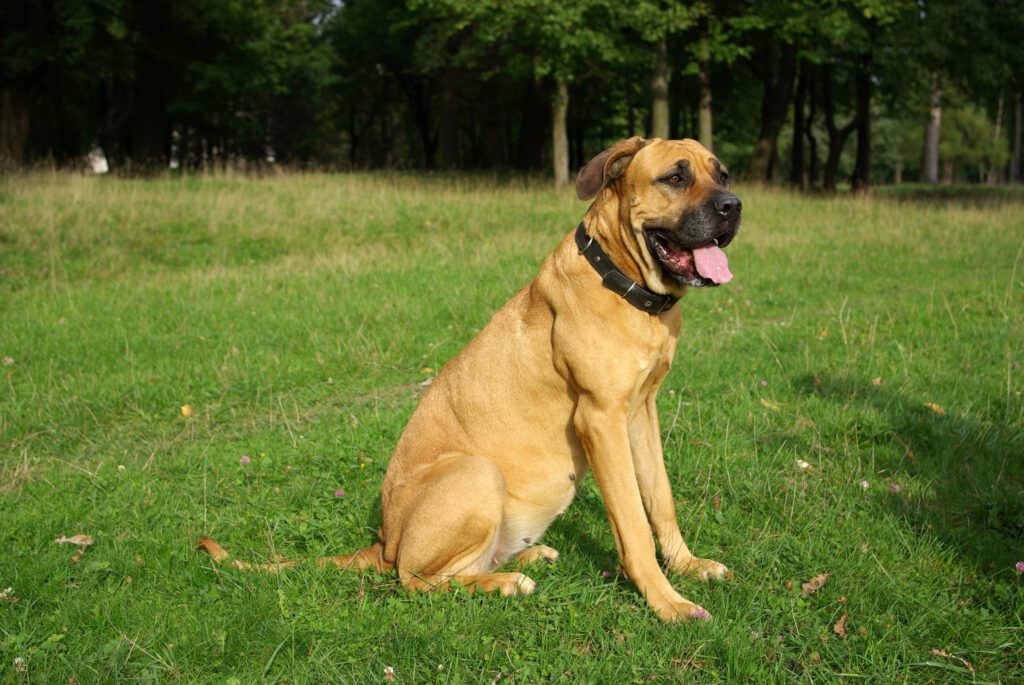
The ideal Tosa Inu guardian is patient, consistent, and comfortable managing a large, strong dog. A secure yard, a realistic exercise plan, and a commitment to daily training prepare you for success. A thoughtful routine and predictable rules help this thoughtful breed relax and thrive.
Take your time, ask detailed questions, and verify every requirement before you adopt. Prepare your home, line up winter gear, and confirm a training plan for the first 30 days. With careful planning and the right support, you can adopt a Tosa Inu in Alaska and enjoy a steady, loyal companion for years to come.
Introducing a new puppy to your current dog is often an exciting process, and many dogs will become fast friends and eas...
Read More
Rescue dogs can make great companions and can transform your home into something better. These dogs make great pets and ...
Read More
You should never rush to pet a dog. Even dog owners make the mistake of approaching unfamiliar dogs and petting them rig...
Read More
Puppy mill dogs are survivors who have endured extreme hardships in their lives. They have grown up in horrendous, unsan...
Read More
With their wagging tails and comforting presence, adopting a dog can add a unique touch to your life. It’s a heart...
Read More
Older dogs may have a few gray hairs around the edges, but that doesn’t mean they can’t make wonderful companions! T...
Read More