



























































































































































































Introducing a new puppy to your current dog is often an exciting process, and many dogs will become fast friends and eas...
Read MoreAdopt Me

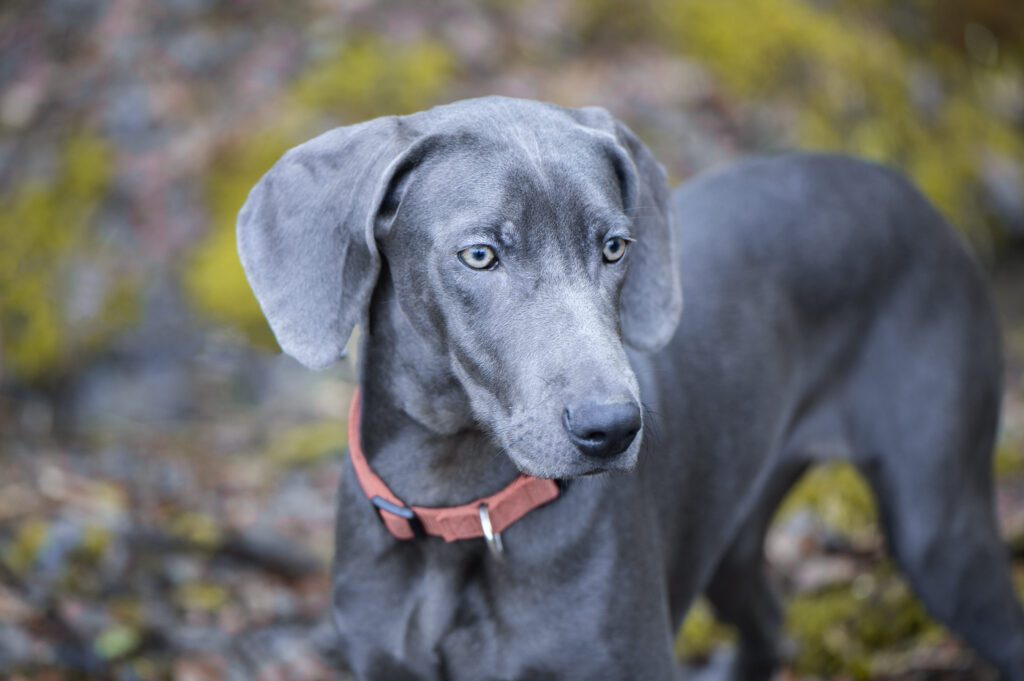
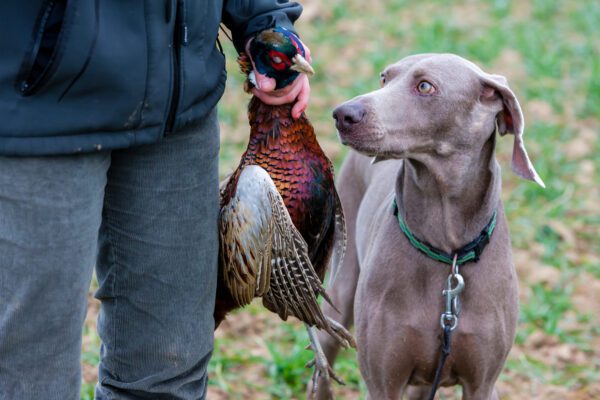
The Weimaraner is a striking, athletic companion that bonds deeply with people and thrives on adventure. This breed is energetic, highly intelligent, and eager to please. A Weimaraner craves time with family and often follows a favorite person from room to room. The breed excels when given daily exercise, structure, and meaningful training.
Thoughtful research matters before you adopt a Weimaraner in Alaska. Adoption gives a dog a second chance and often provides helpful background information, which can include temperament notes and medical history. Adoption also supports responsible rehoming and usually includes essential veterinary care that helps you start strong.
Alaska can be a great fit for an active Weimaraner, yet the state’s climate and geography create unique challenges. Winters are long and cold, and the Weimaraner has a short coat that needs help in frigid weather. A warm dog coat, paw protection, and reflective gear keep outings safe. Rugged trails and open spaces offer excellent exercise, though wildlife and changing conditions call for reliable leashing and a strong recall. Apartment living can work if you commit to daily walks, indoor enrichment, and consistent training.
You can avoid searching for rescues and shelters separately by using Dog Academy. Dog Academy lists available dogs from multiple sources in one place and offers educational guides and adoption checklists that help you prepare. You can also check local animal shelters, regional rescues, and breed-specific rescue groups that serve Alaskan communities.
Start by browsing listings and reading full profiles. Look for notes about age, activity level, medical needs, and behavior. Verify that the dog’s exercise requirements, tolerance for cold, and social history match your household. Make a shortlist and contact caretakers with clear questions about energy level, house manners, and any ongoing training or medical plans.
Next, complete an application. Most groups ask for personal references, proof of housing, and confirmation of landlord approval when you rent. Many groups schedule a meet-and-greet at a shelter, a foster home, or a neutral public space to see how everyone interacts. A home check is common and helps confirm that fencing, indoor spaces, and daily routines are safe for a high-energy sporting dog. Approval timelines vary, though 1 to 3 weeks is typical in Alaska due to scheduling, weather, and travel logistics.
Some dogs are located far from your town. Rescues may arrange transport between locations to move dogs safely to approved adopters. Transport is often coordinated through volunteer drivers or commercial carriers, and it can include ground travel or flights within Alaska when roads are limited. Adopters usually cover transport costs and may need a health certificate and a secure crate for pickup.

|
How Much Does It Cost to Adopt a Weimaraner in Alaska?In Alaska, the typical adoption fee for an adult Weimaraner ranges from $250 to $450. Puppies often range from $350 to $650 because they receive extra veterinary care and high-demand support, while seniors may range from $150 to $300 to encourage placement. Fees reflect services like spaying or neutering, vaccinations, microchipping, and veterinary exams, and they also help cover foster care and breed-specific needs. Age, training background, medical care, and regional demand all influence fees. Costs can be slightly higher when the dog needs dental work, orthopedic assessments, or specialized behavior support. Transport into or within Alaska can add to the final total. New adopters should budget for supplies and follow-up care, which can include a well-fitted crate, a warm winter coat, durable boots, a long line for recall practice, and early training support. |
How Should I Train a Weimaraner?The Weimaraner is bright, athletic, and capable of advanced training. This breed learns quickly and responds best to positive reinforcement, clear structure, and short, focused sessions. Early training should include foundation cues, loose-leash walking, recall, and settle on a mat. Daily mental enrichment through scent games, puzzle feeders, and structured retrieves keeps a Weimaraner engaged. Common challenges include exuberant jumping, mouthy play, pulling on leash, and a strong prey drive. Sensitive temperament is common in the breed, so harsh corrections can create anxiety or confusion. Reward calm behavior, practice impulse control, and build recall with high-value food and play. Crate training supports safe travel and helps a social Weimaraner learn to relax during quiet time at home. For step-by-step guidance that fits busy Alaskan schedules, explore Dog Academy’s online training courses. Courses cover puppy foundations, leash manners, recall, and separation anxiety support. Lessons are easy to follow, and they help you stay consistent through winter weather and long workweeks. |
|
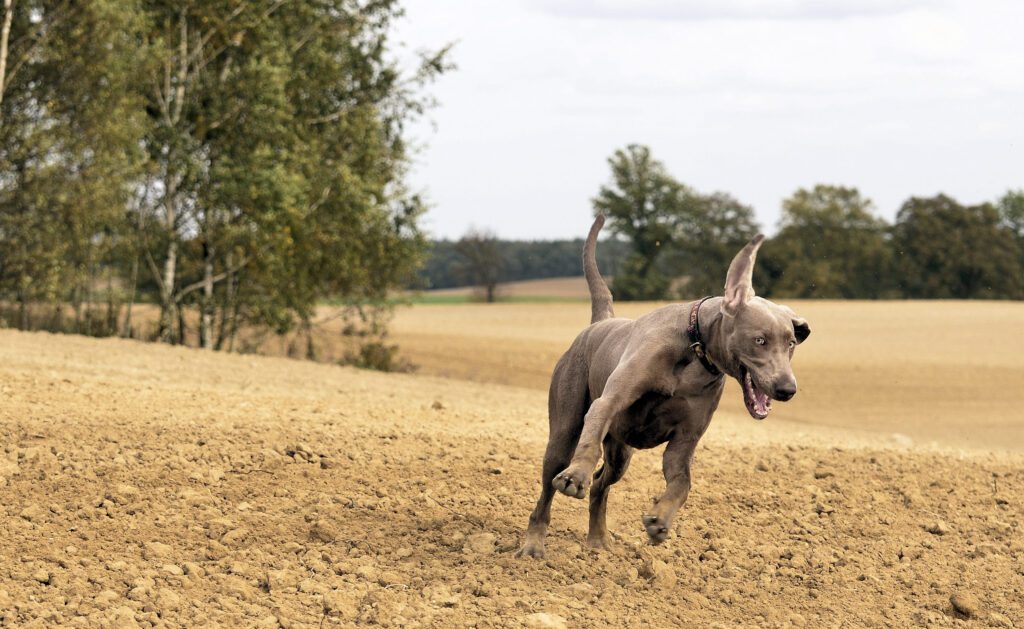
The ideal adopter enjoys daily activity and consistent training. A Weimaraner does best with a person or family that spends time outdoors, provides structure indoors, and invests in enrichment when storms or darkness limit exercise. Warm gear, safe winter routes, and a reliable plan for recall and leashing keep this athletic breed confident and secure.
Preparation leads to a great match. Take time to research, ask detailed questions, and consider your daily routine. Use Dog Academy’s adoption listings to compare options, and move forward when the right dog appears. With patience and planning, you can adopt a Weimaraner in Alaska and welcome a loyal, adventurous partner for years to come.

Introducing a new puppy to your current dog is often an exciting process, and many dogs will become fast friends and eas...
Read More
Rescue dogs can make great companions and can transform your home into something better. These dogs make great pets and ...
Read More
You should never rush to pet a dog. Even dog owners make the mistake of approaching unfamiliar dogs and petting them rig...
Read More
Puppy mill dogs are survivors who have endured extreme hardships in their lives. They have grown up in horrendous, unsan...
Read More
With their wagging tails and comforting presence, adopting a dog can add a unique touch to your life. It’s a heart...
Read More
Older dogs may have a few gray hairs around the edges, but that doesn’t mean they can’t make wonderful companions! T...
Read More