



























































































































































































Introducing a new puppy to your current dog is often an exciting process, and many dogs will become fast friends and eas...
Read MoreAdopt Me

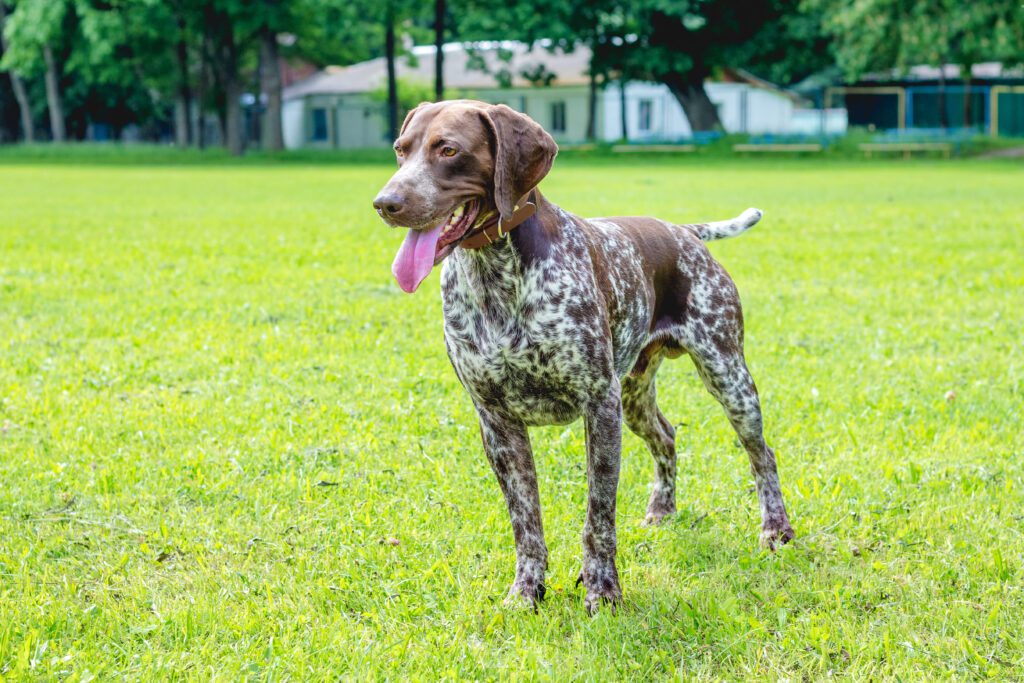



The German Shorthaired Pointer is energetic, affectionate, and eager to learn. This sporting breed loves running, hiking, and working alongside people. A thoughtful match brings years of adventure and companionship. Research matters because this breed needs daily exercise, structure, and mental work. Adoption is a kind choice that opens space for another dog in need and often provides a dog that already has basic manners.
Alaska offers big trails, long summer days, and room to roam. It also brings snow, ice, and deep cold. A German Shorthaired Pointer has a short coat that sheds water but does not insulate like a northern breed. Warm layers and paw protection keep this dog comfortable in winter. Reliable recall and leash skills protect against wildlife encounters. With planning, this breed thrives in Alaska’s rugged beauty.
You can avoid searching shelters and rescues separately by browsing Dog Academy adoption listings. The listings gather available dogs in one place and help you compare ages, temperaments, and locations. Dog Academy also offers step-by-step guides and adoption checklists that keep you organized from first inquiry to homecoming.
Start by looking at local animal shelters, regional rescues, and breed-specific rescue groups. Read each profile carefully and note energy level, behavior notes, and medical history. Confirm that the dog’s activity needs, prey drive, and tolerance for cold fit your home and Alaska lifestyle. Ask clear questions about exercise habits, indoor manners, and how the dog responds to new people and new places.
Most groups follow a similar process. You browse listings, submit an application, and share details about your schedule, home, fencing, and experience. Many groups request veterinary references and landlord approval when applicable. If your application fits the dog, you schedule a meet-and-greet. Some groups arrange a home check to confirm safety and readiness. Timelines vary, though approval often takes 1 to 3 weeks depending on staffing, demand, and the dog’s needs.
Transport is sometimes available when the right match lives far away. Rescues may arrange transport between locations to move dogs to approved adopters. In Alaska that can include ground transport along the road system or air transport from another region. Air transport usually requires a travel crate and a veterinary health certificate. Some organizations include part of this cost in the fee, while others bill it separately and explain the total before you commit.
|
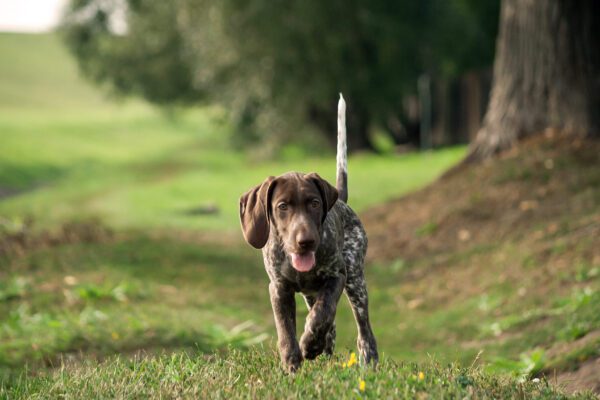
How Much Does It Cost to Adopt a German Shorthaired Pointer in Alaska?Expect most adoption fees to fall between $275 and $525 in Alaska. Puppies and highly in-demand dogs often sit near the top of that range. Adults with basic training and seniors usually cost less. Fees reflect local veterinary costs and the distance a dog has traveled. Air transport and cold-climate medical prep can raise expenses slightly. Adoption fees usually cover spaying or neutering, vaccinations, microchipping, and veterinary exams. Costs also shift with age, training level, medical care, and demand. A dog that has completed obedience classes or that received dental work, orthopedic care, or treatment for skin issues will cost more. Ask for a complete itemized breakdown so you understand what the fee includes. |
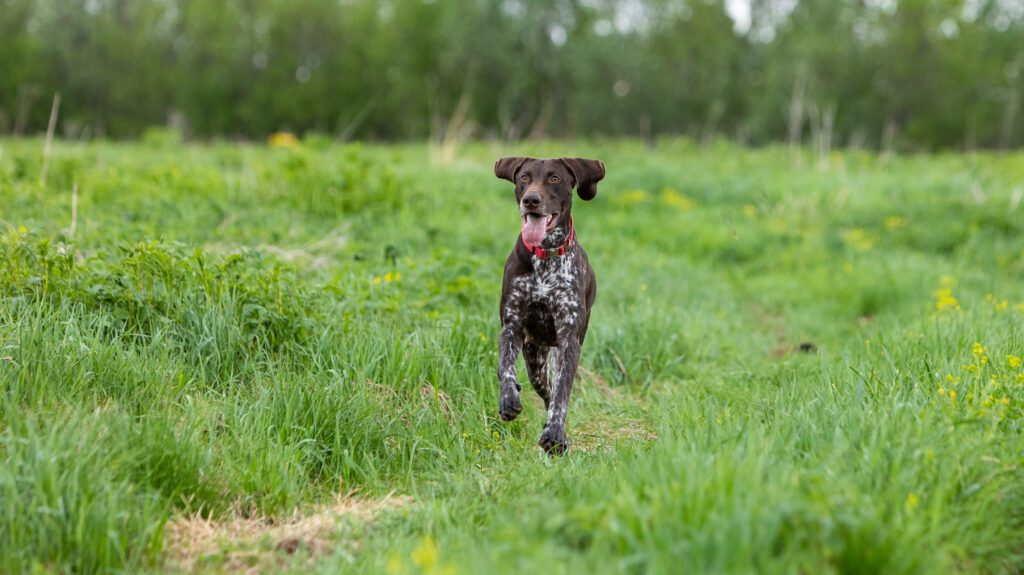
How Should I Train a German Shorthaired Pointer?The German Shorthaired Pointer is smart, athletic, and people focused. That combination makes training rewarding when you provide structure, exercise, and clear goals. Use positive reinforcement with food, toys, and praise. Short sessions build strong habits. Focus on recall, loose-leash walking, and calm greetings. Many dogs in this breed have a strong prey drive, so practice impulse control around birds and small animals, and reward steady focus on you. Mental work is as important as physical exercise. Add scent games, retrieving drills, and indoor enrichment on stormy days. Crate training supports safe travel and restful downtime. Consistency prevents jumping, mouthing, and counter surfing. If you want expert guidance from home, try Dog Academy’s online training courses. The stepwise lessons build reliable obedience, prepare you for field-style activities, and keep your dog engaged year-round. |
|
The best match is an active household that enjoys daily movement and plans for cold-weather care. Owners who run, hike, bike, or skijor give this breed a healthy outlet. A fenced yard or a safe, regularly used training field helps a young dog practice recall and impulse control. Clear rules and steady routines keep energy channeled into good habits.
Adoption works best when you prepare. Gather supplies, confirm a vet appointment, and set up a warm sleeping space before the dog arrives. Review training plans and family roles so everyone is consistent. Take your time, ask questions, and choose the dog that truly fits your life in Alaska. The right German Shorthaired Pointer will reward your patience with years of partnership.

Introducing a new puppy to your current dog is often an exciting process, and many dogs will become fast friends and eas...
Read More
Rescue dogs can make great companions and can transform your home into something better. These dogs make great pets and ...
Read More
You should never rush to pet a dog. Even dog owners make the mistake of approaching unfamiliar dogs and petting them rig...
Read More
Puppy mill dogs are survivors who have endured extreme hardships in their lives. They have grown up in horrendous, unsan...
Read More
With their wagging tails and comforting presence, adopting a dog can add a unique touch to your life. It’s a heart...
Read More
Older dogs may have a few gray hairs around the edges, but that doesn’t mean they can’t make wonderful companions! T...
Read More