

















































































































































Introducing a new puppy to your current dog is often an exciting process, and many dogs will become fast friends and eas...
Read MoreAdopt Me

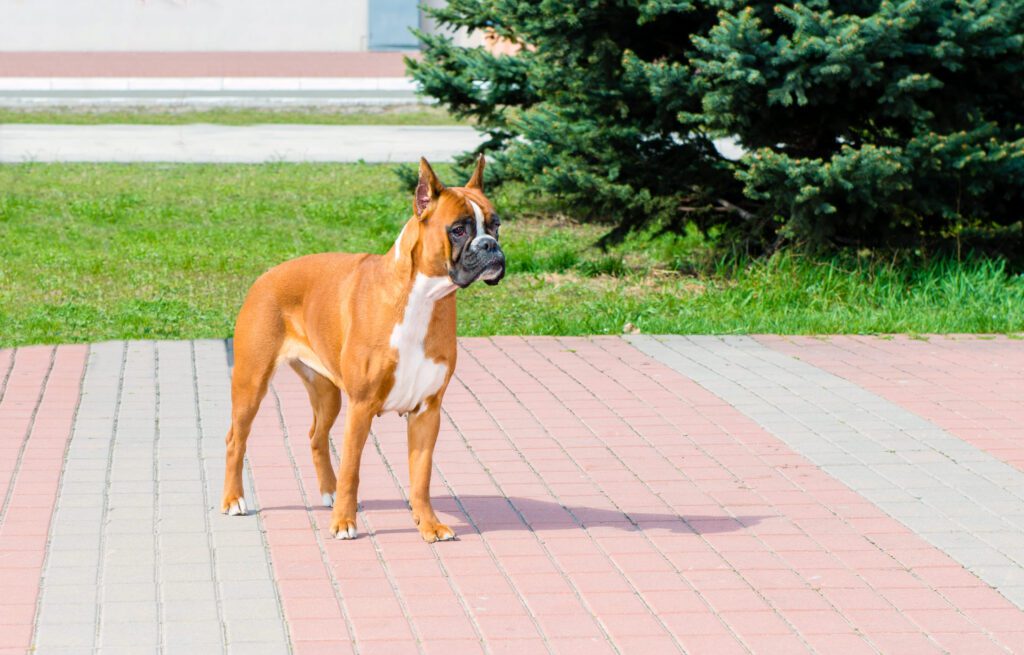

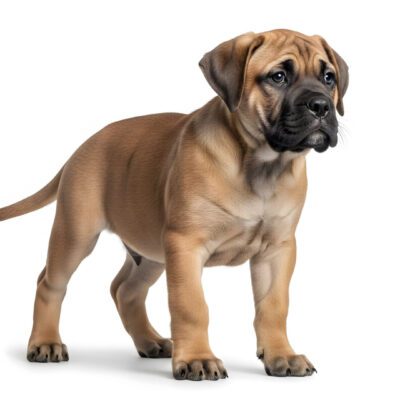
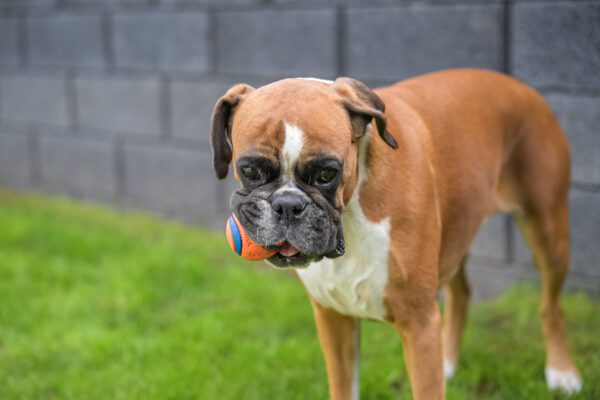
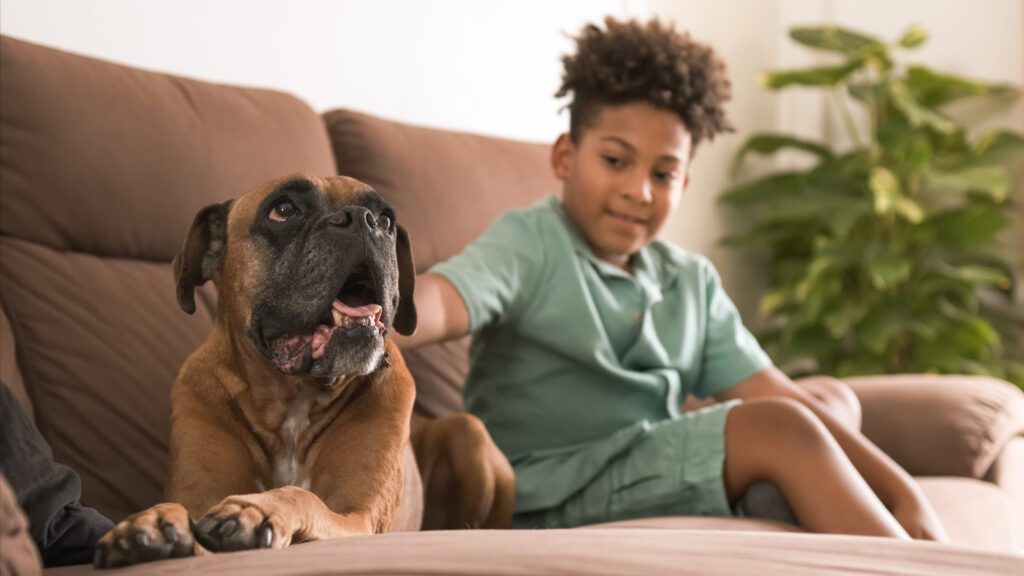
Boxers are bright, playful, and deeply loyal dogs that bond quickly with their families. The breed loves people, learns fast, and stays puppy-like well into adulthood, which keeps life lively and fun. A Boxer thrives when it gets daily mental stimulation and consistent exercise, and it relaxes best when it lives close to its people as a true indoor companion.
Adoption rewards both you and the dog because you offer a second chance while gaining a well-matched companion. Research helps you decide if a Boxer fits your household and your Alaska lifestyle. Alaska’s climate is cold, and the Boxer’s short coat needs protection, which means warm layers, paw care, and limited outdoor time in extreme weather. Geography and daylight shifts can make exercise planning a challenge, so reliable indoor play and structured training sessions become essential. With preparation and patience, many Alaskans find that a Boxer’s affectionate nature and sturdy athleticism fit active, family-centered routines.
You can avoid searching rescues and shelters separately by using Dog Academy to browse current adoption listings in one place. You can filter for location, age, and temperament to find Boxers that match your needs. Dog Academy also offers educational guides and practical adoption checklists that help you prepare your home, plan supplies, and understand what to expect during the first weeks after adoption.
Adoptable Boxers can be found through local animal shelters, regional rescues, and breed-specific rescue groups that serve Alaska. The process usually starts by browsing listings, reading detailed bios, and selecting dogs that fit your experience level and living situation. An application often follows, which asks about housing, work schedules, training plans, and how you will meet exercise needs in Alaska’s climate. Many groups request references and landlord approval when applicable to confirm that the home is ready and stable.
After an application review, most groups schedule a phone interview and a meet-and-greet to ensure a good match. Some organizations perform virtual or in-person home checks to confirm safety, secure fencing, and indoor space for rest and enrichment. Approval timelines vary, but most adoptions finish in 1 to 3 weeks. Puppies or highly popular dogs can take longer due to higher demand and extra screening. If you live far from the dog, rescues sometimes arrange transport, which is the coordinated movement of dogs by ground or air between locations to reach approved adopters. Transport availability depends on weather, flight options, and the dog’s health, and adopters are often asked to share related costs.
|
How Much Does It Cost to Adopt a Boxer in Alaska?Most Alaskans can expect to pay around $250 to $500 to adopt a Boxer. Costs reflect age, training, medical care, and demand. Puppies and young adults usually cost more because they are in higher demand and require more preventive care. Fees typically include spaying or neutering, vaccinations, microchipping, and veterinary exams. Many groups also provide a health check, deworming, and a starter supply of preventatives. Alaska’s distance and limited transport options can raise fees when logistics are included, especially if the dog travels from another region. |
How Should I Train a Boxer?Boxers are intelligent, people-focused, and eager to learn when sessions stay upbeat and engaging. The breed responds best to positive reinforcement that uses clear markers, high-value rewards, and short, energetic practice sets. Consistency matters because Boxers can be playful and headstrong. Many owners focus first on foundation skills such as name recognition, recall, loose-leash walking, drop it, and settle. Early socialization with calm dogs, new surfaces, and safe urban or rural sights builds confidence. Common challenges include jumping to greet, mouthing during play, leash pulling, and distraction around wildlife. You can manage these behaviors with impulse-control games, structured outlets for energy, and daily mental work such as scent games and puzzle feeders. Cold-weather routines require indoor enrichment, reliable potty schedules, and protective gear so training continues despite snow and ice. For step-by-step lessons that fit busy schedules, consider Dog Academy’s online training courses, which provide flexible plans, positive methods, and skills tailored to energetic breeds like the Boxer. |
|
The right adopter enjoys daily activity, provides indoor living, and commits to kind, consistent training. Preparation sets you up for success, which means planning exercise around Alaska’s weather, choosing proper winter gear, and arranging enrichment for days when outdoor time is short. Take your time, ask questions, and use trusted resources so you adopt a Boxer in Alaska that matches your energy, space, and goals. When you are ready to begin, explore current listings and helpful guides through Dog Academy, and bring home a devoted companion who will thrive by your side.
Introducing a new puppy to your current dog is often an exciting process, and many dogs will become fast friends and eas...
Read More
Rescue dogs can make great companions and can transform your home into something better. These dogs make great pets and ...
Read More
You should never rush to pet a dog. Even dog owners make the mistake of approaching unfamiliar dogs and petting them rig...
Read More
Puppy mill dogs are survivors who have endured extreme hardships in their lives. They have grown up in horrendous, unsan...
Read More
With their wagging tails and comforting presence, adopting a dog can add a unique touch to your life. It’s a heart...
Read More
Older dogs may have a few gray hairs around the edges, but that doesn’t mean they can’t make wonderful companions! T...
Read More