



























































































































































































Introducing a new puppy to your current dog is often an exciting process, and many dogs will become fast friends and eas...
Read MoreAdopt Me

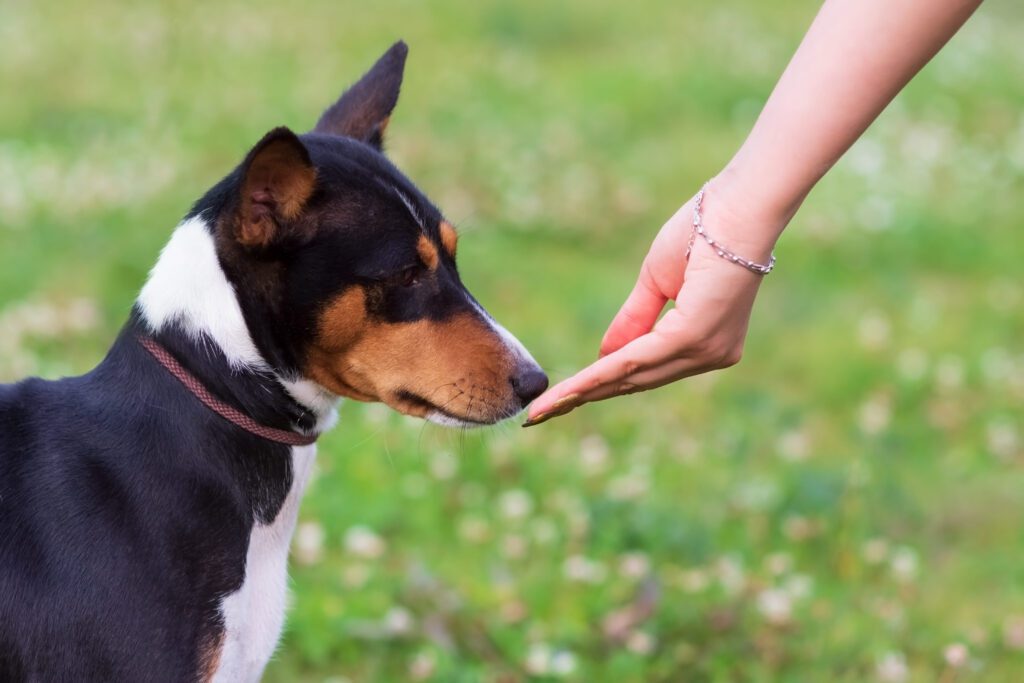
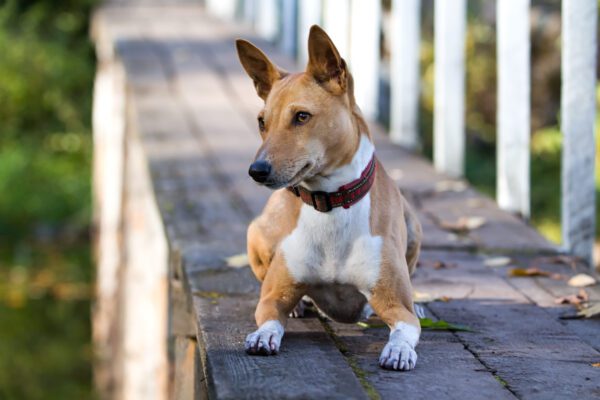
The Basenji is a compact, athletic, and intelligent dog that charms with a catlike sense of cleanliness and a playful, curious spirit. The breed rarely barks, yet it communicates through yodels and expressive body language. A well-bred and well-trained Basenji is affectionate with family, reserved with strangers, and always ready for an adventure.
Thorough research before adoption sets you and your dog up for success. Basenjis are independent problem solvers that need daily exercise, mental enrichment, and clear boundaries. Adoption is a responsible path because it gives a dog a second chance, matches you with a known temperament, and often includes essential veterinary care that supports long-term health.
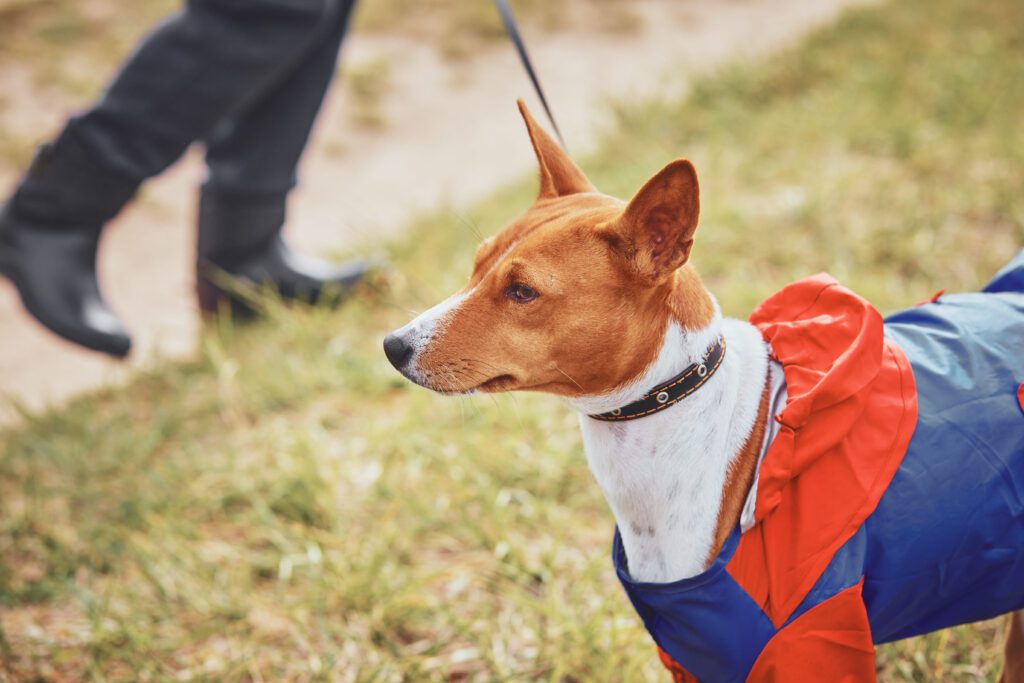
Alaska can suit a Basenji when owners plan for the state’s climate and geography. The Basenji’s short coat provides little insulation, so cold snaps require warm jackets, fitted booties, and limited outdoor time. Long winters, early sunsets, and icy sidewalks favor indoor enrichment and safe, well-lit walks. Rural distances and wildlife raise safety stakes, so secure fencing and always using a leash are important. Active Alaskans who enjoy hikes and runs during mild weather, and who commit to creative indoor exercise during winter, often find the Basenji a rewarding companion.
You can avoid searching for rescues and shelters separately by starting with Dog Academy, where adoption listings gather available dogs in one place. Dog Academy also provides educational guides and adoption checklists that help you prepare your application, ready your home, and choose a dog that fits your lifestyle.
In addition to centralized listings, you can check local animal shelters, regional rescues, and breed-specific rescue groups. Alaska may have a smaller number of Basenjis available at any given time, so broadening your search to nearby regions can help. When distance is a challenge, rescues often arrange transport to move dogs between locations, which may include coordinating ground volunteers or flights that follow animal safety guidelines.
The process starts with browsing listings and reading full profiles. Profiles usually describe age, size, energy level, medical history, and behavior notes. Once you find a good match, you complete an application that asks about your experience, your daily schedule, your fencing and housing situation, and your veterinarian if you have one. Clear and detailed answers help the team evaluate fit.
Next comes a meet-and-greet. This step may happen at a shelter, at a foster home, or through a virtual video call if the dog is not nearby. A home check often follows. Home checks can be in person or virtual, and they confirm safe fencing, secure gates, proper tie-downs for trash and food storage, and a quiet area for rest and decompression. Many groups ask for personal references, proof of housing, and permission to speak with a current or former veterinarian.
Approval timelines vary. Straightforward applications with quick references often receive a decision within 1 to 3 weeks. After approval, you sign an adoption contract and pay the fee. If transport is needed, the rescue organizes logistics to move the dog safely between locations, which can add 1 to 2 weeks due to weather and flight availability in Alaska. Clear communication about schedules, pickup locations, and required gear ensures a smooth arrival.
|
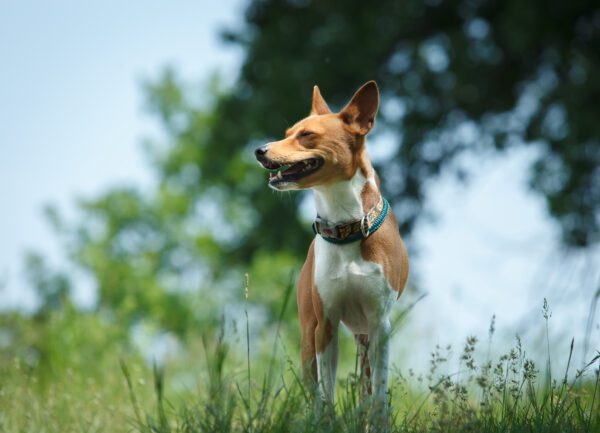
How Much Does It Cost to Adopt a Basenji in Alaska?In Alaska, adopting a Basenji typically costs $200 to $450 for most adults and $300 to $600 for puppies. Fees reflect the breed’s demand and the higher cost of care in the state. Adoption fees usually include spaying or neutering, vaccinations, microchipping, and veterinary exams. Fees can be higher when recent dental cleanings, specialized diagnostics, or professional transport within Alaska are included. Final pricing depends on age, training, medical care, and demand. Puppies and young adults often sit at the higher end due to strong interest. Dogs that arrive with completed basic training or with advanced manners may cost more because of the invested time. Medical needs can increase the fee when recent treatments are provided, or reduce it to encourage placement when ongoing care is required. When a dog travels long distances, rescues may pass along reasonable transport charges, often $50 to $200, to cover flights or fuel. |
How Should I Train a Basenji?Basenjis are bright and curious, which makes them fast learners when training is fun, short, and rewarding. They also test limits. Consistent routines, clear cues, and positive reinforcement with food and play build trust and motivation. Harsh corrections can create fear or shutdown, which slows progress. Focus on practical skills that fit Alaska. Teach a reliable recall using a long line, because wildlife and open spaces add distraction. Practice loose-leash walking for icy sidewalks and busy trails. Build solid crate training for safe travel and for calm downtime during storms or darkness. Add impulse control at doors and around small animals. Introduce winter gear early, including jackets and booties, so your dog moves comfortably in the cold. Short sessions work best, such as 5 to 10 minutes, 2 to 3 times daily. Mix in scent games, food puzzles, and indoor fetch to replace long outdoor sessions during extreme cold. For step-by-step help that fits the breed’s style, explore Dog Academy’s online training courses, which cover puppy foundations, leash manners, recall, crate training, enrichment, and more. |
|
The ideal Alaskan adopter enjoys daily activity, values smart training, and prepares a secure, escape-proof environment. A great match understands prey drive, protects the dog from extreme cold, and commits to ongoing enrichment when outdoor time is limited.
Set yourself up for success by planning ahead. Gather winter gear, choose indoor enrichment, confirm veterinary access, and prepare your application materials. Take your time, ask questions, and make a thoughtful choice. When you are ready to adopt a Basenji in Alaska, use Dog Academy to streamline your search and rely on Dog Academy’s guides to navigate every step with confidence.

Introducing a new puppy to your current dog is often an exciting process, and many dogs will become fast friends and eas...
Read More
Rescue dogs can make great companions and can transform your home into something better. These dogs make great pets and ...
Read More
You should never rush to pet a dog. Even dog owners make the mistake of approaching unfamiliar dogs and petting them rig...
Read More
Puppy mill dogs are survivors who have endured extreme hardships in their lives. They have grown up in horrendous, unsan...
Read More
With their wagging tails and comforting presence, adopting a dog can add a unique touch to your life. It’s a heart...
Read More
Older dogs may have a few gray hairs around the edges, but that doesn’t mean they can’t make wonderful companions! T...
Read More