


























































































































































































Introducing a new puppy to your current dog is often an exciting process, and many dogs will become fast friends and eas...
Read MoreAdopt Me

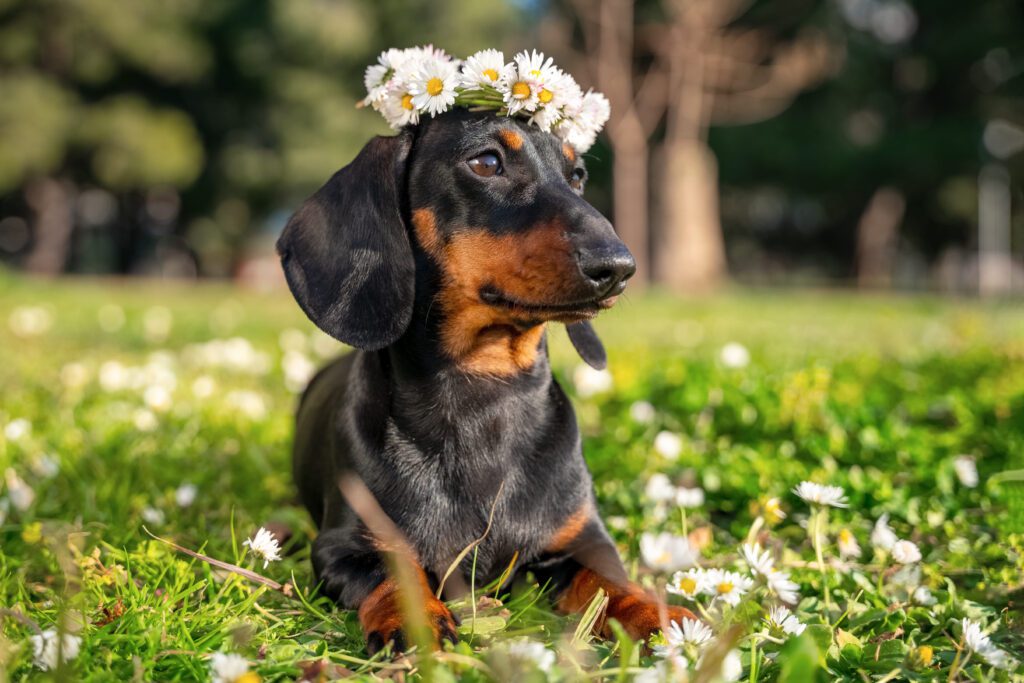


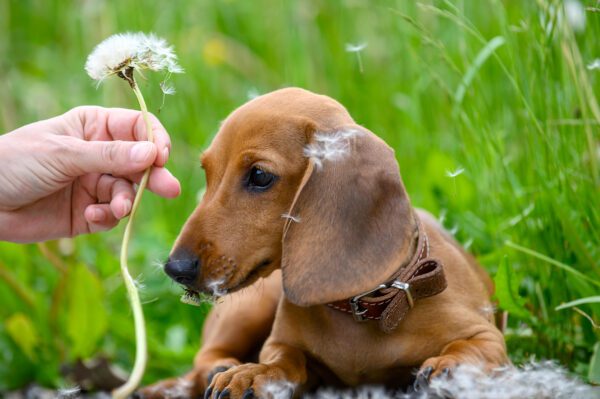
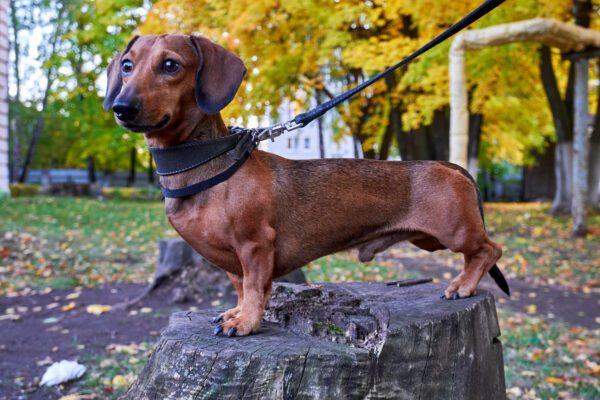
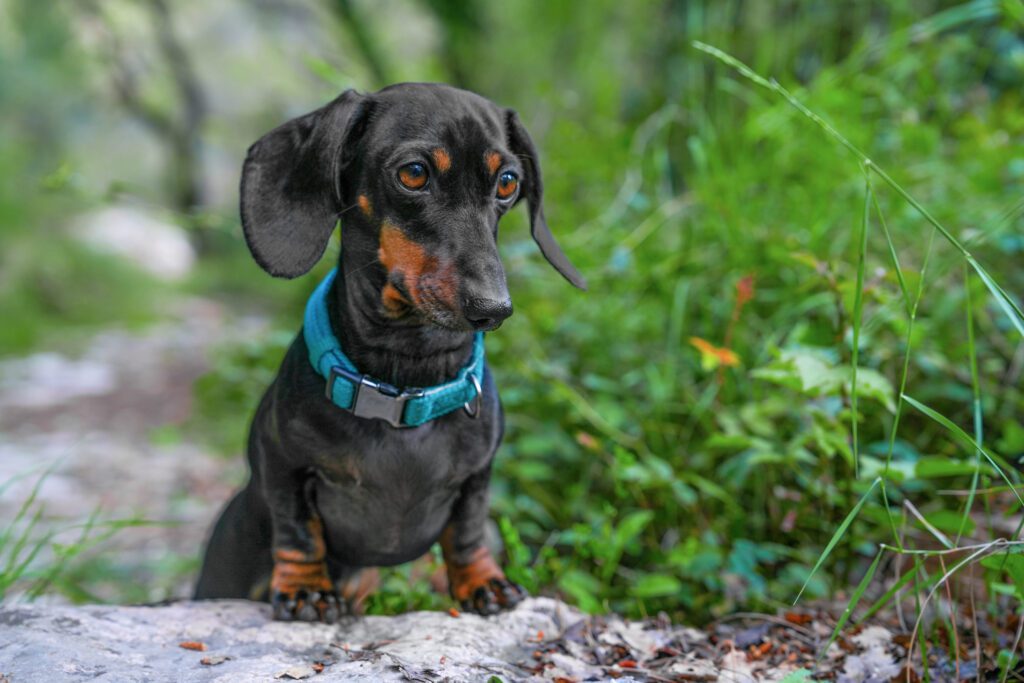
A Miniature Dachshund is spirited, loyal, and full of character. This small hound enjoys close companionship, playful games, and cozy naps. The breed is affectionate with family and can be bold despite its size. Careful research helps you understand energy needs, back safety, and socialization so you can set your new dog up for success.
Adoption gives a dog a second chance and supports animal welfare in a direct way. Adopted Miniature Dachshunds often come with completed veterinary care, which saves time and helps your dog start strong. Adoption also helps reduce demand for irresponsible breeding and keeps more dogs out of shelters.
Alaska offers stunning trails, fresh air, and active lifestyles. The climate is cold for a short-coated, low-to-the-ground dog, which means you need warm gear and careful outdoor routines. Snow and ice can be tough on tiny legs, and rural distances can limit quick access to veterinary care. With preparation and indoor enrichment, a Miniature Dachshund can thrive in Alaska’s unique environment.
You can avoid searching local shelters and rescues one by one by using Dog Academy. The adoption listings let you filter for breed, age, and location so you can compare options in minutes. Dog Academy also provides educational guides and adoption checklists that help you prepare questions, understand requirements, and organize supplies before your meet-and-greet.
Adoptable Miniature Dachshunds appear in local animal shelters, regional rescues, breed-specific rescue groups, and foster-based networks. Larger population centers tend to have more listings, while rural areas may post fewer dogs at a time. Some rescues arrange transport between locations to place dogs in the best homes. Transport involves volunteer drivers or vetted carriers who move dogs safely from one region to another.
The process usually starts with browsing listings and submitting an application. Applications often request personal references, landlord approval when you rent, and a history of pet care. Many groups complete a phone interview to discuss fit and answer questions. Meet-and-greets take place in a neutral space or a foster home so you can see how the dog behaves around you and your family.
A home check is common, either virtual or in person, to confirm a safe setup. For Miniature Dachshunds, adopters should show secure stairs or ramps, blocked furniture heights, and a plan to prevent jumping. Approval timelines vary by organization volume and the number of applicants. Most adopters receive a decision within 1 to 3 weeks once references and checks are complete.
Understanding the breed helps you stand out as a strong applicant. Explain your plan for back safety, warmth in winter, mental enrichment, and consistent potty training. Share how you will manage exercise on icy days and how you will provide indoor play and nose work when outdoor time is limited. Clear, detailed plans show that you are ready for the long term.
|
How Much Does It Cost to Adopt a Miniature Dachshund in Alaska?Most adopters can expect to pay $250 to $550 in Alaska for a Miniature Dachshund. The fee often includes spaying or neutering, vaccinations, microchipping, and veterinary exams. Costs can also cover deworming and basic preventives. Fees tend to be higher for puppies and lower for seniors. Several factors affect the final amount. Age, training and socialization, recent medical care, and local demand for small indoor-friendly dogs all play a role. Some organizations invest in dental cleanings or back evaluations when needed, which can raise costs. If transport is provided, the group may request an added fee or a separate donation, which reflects distance, season, and carrier availability. |
How Should I Train a Miniature Dachshund?Miniature Dachshunds are intelligent and curious, and they enjoy problem solving. They also have an independent streak and a strong nose, which can distract them during practice. Positive reinforcement with small food rewards and clear timing works best. Keep sessions short at 5 to 10 minutes to maintain focus and prevent frustration. House training takes patience in cold weather. Plan frequent, predictable potty breaks and use a cleared outdoor path for traction and speed. Crate training supports safety, prevents accidents, and helps with travel. Barking can be managed by reinforcing quiet moments, providing daily sniff-based games, and meeting exercise needs. Back safety is a lifelong training goal. Teach an automatic “off” to reduce jumping, and use ramps for couches and beds. Reward calm greeting behavior at ground level. Work on loose-leash walking so scent-driven pulling does not strain the spine. For structured guidance at home, explore Dog Academy’s online training courses to build reliable cues, confidence, and manners. |
|
The ideal adopter enjoys daily walks, indoor play, and gentle handling. A good match provides warm gear, safe ramps, and time for training and enrichment. Families with respectful children, retirees with a steady routine, or active singles who love structured play can all succeed with this breed.
Preparation leads to a smooth adoption. Set up back-safe spaces, plan winter potty routines, and collect the supplies you need before the first night. Take your time, ask clear questions, and choose the right fit for your lifestyle. With patience and guidance, you will adopt a Miniature Dachshund in Alaska who feels at home from day one.

Introducing a new puppy to your current dog is often an exciting process, and many dogs will become fast friends and eas...
Read More
Rescue dogs can make great companions and can transform your home into something better. These dogs make great pets and ...
Read More
You should never rush to pet a dog. Even dog owners make the mistake of approaching unfamiliar dogs and petting them rig...
Read More
Puppy mill dogs are survivors who have endured extreme hardships in their lives. They have grown up in horrendous, unsan...
Read More
With their wagging tails and comforting presence, adopting a dog can add a unique touch to your life. It’s a heart...
Read More
Older dogs may have a few gray hairs around the edges, but that doesn’t mean they can’t make wonderful companions! T...
Read More